Pentagon Chief Grilled: Why Is Ukraine Aid Stalling Amid Russia-Iran Alliance?
During a heated Senate hearing, Senator Jeanne Shaheen challenged Defense Secretary Pete Hegseth on the Pentagon's apparent easing of pressure on Moscow, even as Russia deepens its ties with Iran and continues its aggression in Ukraine. The questioning highlighted growing concerns in Washington over delayed aid to Kyiv and the strategic implications of a perceived shift in US policy. This comes as the US debates its role in global conflicts and resource allocation for defense.
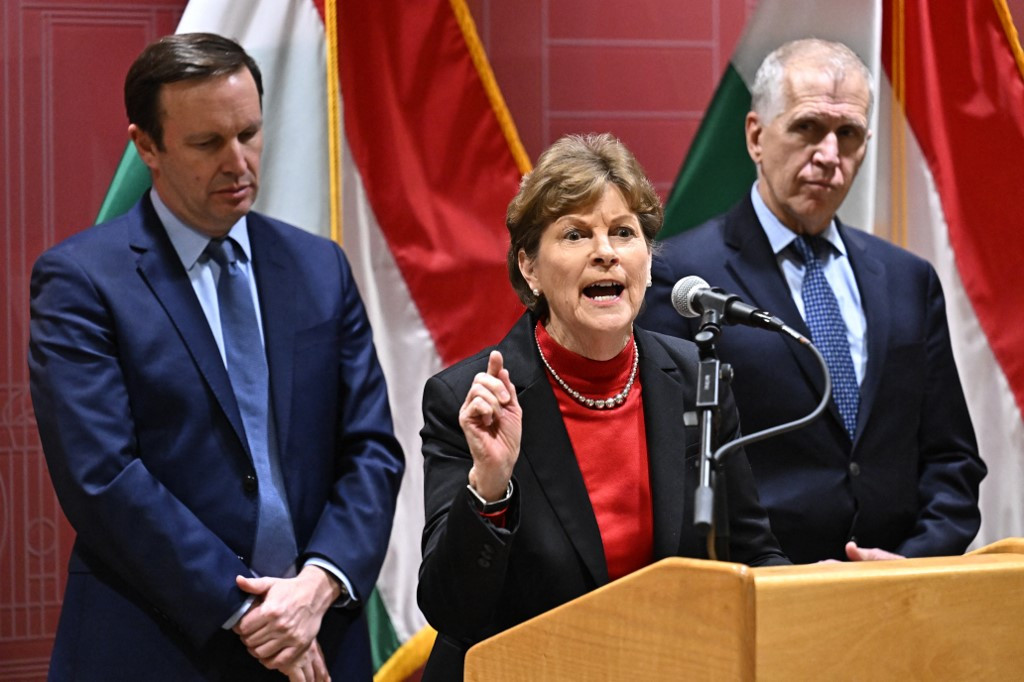
In a tense exchange on Capitol Hill, the Pentagon's Fiscal Year 2027 budget request became the unexpected battleground for a much larger geopolitical debate. Senator Jeanne Shaheen, a prominent voice on foreign policy, directly confronted Defense Secretary Pete Hegseth and other senior defense officials, demanding answers regarding the perceived slowdown in critical aid to Ukraine. Her pointed questions underscored a growing unease within Washington: why, she asked, does it appear the United States is easing pressure on Moscow at a time when Russia is not only escalating its war in Ukraine but also forging deeper, more dangerous alliances with nations like Iran?
Shaheen's interrogation, which occurred during a Senate Appropriations Committee hearing, cut to the heart of a complex web of international relations and domestic political wrangling. The senator's frustration was palpable, reflecting a sentiment shared by many who believe that any wavering in support for Kyiv sends a dangerous signal to authoritarian regimes worldwide. The implications of such a policy, or lack thereof, extend far beyond the battlefields of Eastern Europe, touching upon global energy markets, cyber security, and the delicate balance of power in the Middle East.
The Lingering Shadow of Delayed Aid
The issue of delayed funding for Ukraine is not new, but it has taken on renewed urgency as the conflict grinds on. For months, debates in Congress have stalled vital military and financial assistance, leaving Ukrainian forces struggling against a resurgent Russian military. Senator Shaheen's questioning brought this domestic political paralysis into sharp relief, forcing Pentagon officials to address the operational consequences of these delays. While the specifics of the 2027 budget request were the official agenda, the underlying tension was undeniably about the immediate needs of Ukraine and the long-term strategic posture of the United States.
Defense Secretary Hegseth, while acknowledging the challenges, often pointed to the complexities of congressional appropriations and the need for a balanced approach to global security. However, Shaheen's line of questioning suggested that balance might be tipping in the wrong direction, particularly when considering Russia's increasingly brazen actions. The senator emphasized that every day of delay translates into lives lost and territory ceded, potentially undermining Ukraine's ability to defend itself and prolonging a conflict that has already claimed hundreds of thousands of lives.
Russia's Expanding Axis: Iran and Global Implications
Perhaps the most alarming aspect of Senator Shaheen's inquiry was her focus on Russia's burgeoning alliance with Iran. This partnership, she argued, is not merely transactional but represents a strategic alignment that poses significant threats to international stability. Russia's reliance on Iranian drones and munitions in Ukraine, coupled with Iran's acquisition of advanced Russian military technology, creates a feedback loop that strengthens both regimes and complicates efforts to contain their respective aggressions. This collaboration extends beyond military hardware, encompassing intelligence sharing, economic cooperation, and diplomatic coordination, particularly in regions like the Middle East.
For the United States, this evolving axis presents a multifaceted challenge. It complicates efforts to de-escalate tensions in the Persian Gulf, empowers a state sponsor of terrorism, and provides Russia with critical resources to circumvent Western sanctions. Shaheen's concern was that by easing pressure on Moscow, Washington inadvertently facilitates this dangerous convergence, thereby undermining its own long-term strategic interests and those of its allies. The senator's remarks implicitly called for a more robust and coherent strategy to counter this growing threat, one that recognizes the interconnectedness of these global challenges.
Strategic Drift or Calculated Realignment?
The central question raised by Senator Shaheen's persistent questioning is whether the perceived easing of pressure on Moscow represents a strategic drift or a calculated, albeit controversial, realignment of US foreign policy. Some analysts suggest that the Biden administration, facing multiple global crises and domestic political pressures, might be seeking to avoid direct confrontation with Russia, hoping to manage the conflict in Ukraine without further escalation. Others argue that the delays are purely a function of domestic political gridlock, rather than a deliberate policy choice.
However, critics like Shaheen contend that such an approach, intentional or not, risks emboldening adversaries and eroding the credibility of American leadership. The historical precedent of appeasement, they argue, often leads to greater instability down the line. The debate also touches upon the broader question of resource allocation: with growing concerns about China, the Middle East, and domestic priorities, how should the United States balance its commitments and project its power globally? The Pentagon's budget, in this context, becomes a reflection of these strategic choices and priorities.
The Path Forward: Reasserting Resolve
As the Senate hearing concluded, the immediate answers to Senator Shaheen's pressing questions remained somewhat elusive. However, the exchange served as a powerful reminder of the deep divisions and critical decisions facing US policymakers. The path forward, many believe, requires a renewed sense of resolve and a clear articulation of American strategic interests. This includes not only ensuring timely and sufficient aid to Ukraine but also developing a comprehensive strategy to counter the Russia-Iran axis.
Experts suggest that a multi-pronged approach is necessary, combining robust sanctions, diplomatic pressure, and targeted military assistance to allies. Furthermore, strengthening alliances with European partners and fostering greater unity within NATO will be crucial in presenting a united front against revisionist powers. The perceived easing of pressure on Moscow, if not quickly rectified, could have profound and lasting consequences for global security. The coming months will undoubtedly test the resolve of Washington and its ability to navigate an increasingly complex and dangerous international landscape, with the fate of Ukraine and the broader international order hanging in the balance. The need for decisive action and clear communication has never been more critical to demonstrate that the United States remains a steadfast defender of democratic values and international law.
Stay Informed
Get the world's most important stories delivered to your inbox.
No spam, unsubscribe anytime.
Comments
No comments yet. Be the first to share your thoughts!