Oil Plunges, Markets Soar: US-Iran Deal Hopes Reshape Global Economy
Global markets experienced a dramatic shift as reports emerged that the U.S. believes it is nearing a deal to end the conflict with Iran. This potential breakthrough, signaling the eventual reopening of the Strait of Hormuz, sent oil prices plummeting and stock indices surging. Investors are now closely watching developments, anticipating a significant rebalancing of energy supplies and geopolitical dynamics that could reshape the global economic landscape.
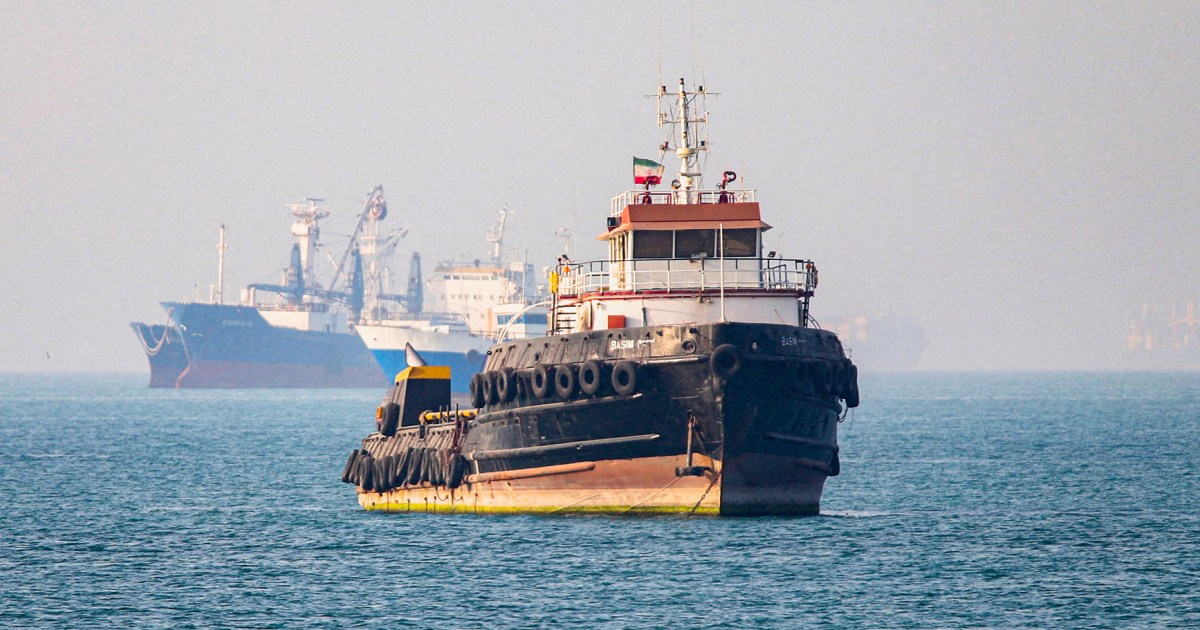
The world held its breath, then collectively exhaled a sigh of relief as news broke that the United States believes it is on the cusp of a groundbreaking deal with Iran. This diplomatic overture, aimed at resolving long-standing tensions and potentially reopening the vital Strait of Hormuz, triggered an immediate and dramatic response across global financial markets. Oil prices, a barometer of geopolitical stability and supply, plunged precipitously, while major stock indices, including the S&P 500 and Nasdaq Composite, surged, reflecting renewed investor optimism.
This isn't merely a fleeting market fluctuation; it's a potential paradigm shift. The prospect of Iranian oil returning to global markets, coupled with the free flow of maritime traffic through one of the world's most critical chokepoints, promises to reconfigure energy economics and international relations for years to come. For PulseWorld readers, understanding the intricate layers of this development—from its historical roots to its future implications—is paramount.
The Geopolitical Chessboard: A History of Tensions
To fully grasp the magnitude of this potential deal, one must look back at the fraught history between the U.S. and Iran. Decades of mistrust, sanctions, and proxy conflicts have defined their relationship since the 1979 Iranian Revolution. The Strait of Hormuz, a narrow waterway connecting the Persian Gulf to the open ocean, has frequently been at the epicenter of these tensions. Roughly 20% of the world's petroleum and a quarter of its liquefied natural gas (LNG) transit this strait daily, making it an indispensable artery for global energy supplies. Any disruption, or even the threat of one, sends shockwaves through commodity markets.
Previous attempts at rapprochement, most notably the 2015 Joint Comprehensive Plan of Action (JCPOA), or Iran nuclear deal, offered a brief respite before its unilateral withdrawal by the U.S. in 2018 reignited hostilities and reimposed crippling sanctions. Iran's nuclear program, its regional influence, and its support for various non-state actors have remained central points of contention. The current report suggests a renewed diplomatic push, possibly driven by a confluence of factors: a desire for regional de-escalation, the economic pressures on Iran, and a global need for energy stability amidst ongoing geopolitical uncertainties.
Market Mania: Oil's Freefall and Stocks' Ascent
The immediate market reaction was nothing short of spectacular. On the day the report surfaced, Brent crude futures, the international benchmark, saw a significant drop, sometimes by several percentage points in a single trading session. Similarly, West Texas Intermediate (WTI), the U.S. benchmark, followed suit. This sharp decline signals that traders are pricing in the potential for a substantial increase in global oil supply, anticipating that Iranian crude, currently largely sidelined by sanctions, could soon re-enter the market.
Conversely, equity markets rejoiced. The S&P 500 closed higher by 1.5%, and the Nasdaq Composite jumped 2%, with similar positive movements observed across European and Asian bourses. The logic is straightforward: lower oil prices translate to reduced costs for businesses and consumers, acting as a de facto stimulus for economic growth. Sectors particularly sensitive to energy costs, such as transportation and manufacturing, stand to benefit immensely. Furthermore, a reduction in geopolitical risk often encourages greater investment and reduces market volatility, fostering a more favorable environment for equities.
Key Market Indicators:
* Oil Prices: Expected to remain volatile but with a downward bias if a deal materializes. * Inflation: Potential for easing inflationary pressures due to cheaper energy. * Consumer Spending: Could see a boost from lower fuel costs. * Geopolitical Risk Premium: Likely to decrease, benefiting global trade and investment.The Strait of Hormuz: A Lifeline Reopened
Central to the market's reaction is the implication for the Strait of Hormuz. For years, the strait has been a flashpoint, with Iran occasionally threatening to close it in response to perceived aggressions or sanctions. Such a closure, even temporary, would be catastrophic for the global economy, potentially sending oil prices sky-high and disrupting supply chains worldwide. The prospect of a deal that ensures the unimpeded passage through this waterway removes a significant layer of uncertainty and risk.
An open and secure Strait of Hormuz not only facilitates oil and gas exports but also ensures the smooth flow of other goods and services. This stability is crucial for energy-dependent nations in Asia and Europe, which rely heavily on Middle Eastern crude. The report's emphasis on reopening the strait suggests that any agreement would likely include provisions for maritime security and de-escalation in the Gulf region, benefiting all parties involved in international trade.
Expert Analysis: What Lies Ahead?
While the initial market reaction is euphoric, experts caution that the path to a comprehensive deal is fraught with challenges. "Reports of nearing a deal are always encouraging, but the devil is in the details," says Dr. Anya Sharma, a senior analyst at Global Energy Watch. "Any agreement will need robust verification mechanisms, clear commitments from both sides, and a framework for addressing Iran's broader regional activities. The market's enthusiasm is based on anticipation, not certainty."
Economically, a successful deal could unleash a wave of investment into Iran's vast energy sector, potentially adding millions of barrels per day to global oil supply over time. This would undoubtedly put downward pressure on oil prices, benefiting importing nations but potentially challenging oil-exporting countries outside of Iran. For the U.S. and its allies, a deal could represent a diplomatic victory, reducing the need for costly military deployments in the region and allowing for a pivot to other strategic priorities.
However, the domestic political landscapes in both the U.S. and Iran, along with the concerns of regional allies like Saudi Arabia and Israel, will play critical roles. Any agreement must navigate these complex interests to be sustainable. The potential for a 'spoiler' event or a last-minute collapse of negotiations remains a distinct possibility, which could send markets reeling once again.
Conclusion: A Cautious Optimism for a New Era
The report of a nearing U.S.-Iran deal has injected a potent dose of optimism into a world grappling with economic uncertainty and geopolitical instability. The immediate market response—plunging oil prices and soaring stocks—underscores the profound impact such a diplomatic breakthrough could have. If realized, this agreement would not only stabilize energy markets by ensuring the free flow of oil through the Strait of Hormuz but also usher in a new era of regional de-escalation.
Yet, seasoned observers understand that diplomacy is a marathon, not a sprint. The road ahead will be paved with intricate negotiations, political maneuvering, and the ever-present risk of setbacks. While the initial reports offer a tantalizing glimpse of a more stable and prosperous future, the world will watch with cautious optimism as the details unfold. For now, the prospect of peace and cheaper energy has provided a much-needed boost, reminding us of the powerful ripple effect that diplomacy can have on the global stage.
Stay Informed
Get the world's most important stories delivered to your inbox.
No spam, unsubscribe anytime.
Comments
No comments yet. Be the first to share your thoughts!