Pakistan Declares Eid al-Adha 2026 Holidays: Economic Impact and Cultural Significance
The Pakistani federal government has officially announced May 26-28, 2026, as public holidays for Eid al-Adha, a significant Islamic festival. This decision, conveyed via a Cabinet Division notification, sets the stage for a prolonged break, allowing families to observe religious rites and travel. Beyond the immediate celebrations, these holidays carry substantial economic implications for various sectors and underscore the nation's cultural fabric.
ISLAMABAD – The federal government of Pakistan has officially declared May 26, 27, and 28, 2026, as public holidays for the auspicious occasion of Eid al-Adha. This much-anticipated announcement, conveyed through a notification from the Cabinet Division on Wednesday, sets the stage for a significant break, allowing millions of Pakistanis to observe one of the most important festivals in the Islamic calendar. The declaration, which comes well in advance, provides ample time for individuals and businesses to plan accordingly, whether for religious observance, family gatherings, or travel.
Eid al-Adha, often referred to as the 'Festival of Sacrifice,' commemorates Prophet Ibrahim's (Abraham's) willingness to sacrifice his son Ismail (Isaac in Judeo-Christian traditions) as an act of obedience to God, before God intervened and provided a ram instead. It is celebrated globally by Muslims on the 10th day of Dhu al-Hijjah, the twelfth and final month of the Islamic lunar calendar. The core ritual involves the Qurbani, or sacrifice of an animal – typically a goat, sheep, cow, or camel – whose meat is then divided among family, friends, and the needy. This act symbolizes devotion, gratitude, and charity, reinforcing community bonds and aiding the less fortunate.
For Pakistan, a predominantly Muslim nation, Eid al-Adha is a time of profound spiritual reflection and communal festivity. The government's decision to grant a three-day holiday reflects the festival's deep cultural and religious significance, ensuring that citizens can fully participate in prayers, family reunions, and the traditional sacrifice without work obligations. This extended break is not merely a pause from routine; it is a period woven into the social fabric, fostering unity and reinforcing religious identity across the diverse regions of the country.
The Economic Ripple Effect of Extended Holidays
The declaration of public holidays, especially for a major festival like Eid al-Adha, invariably triggers a series of economic activities and shifts. While often seen as a period of rest, these holidays are a significant driver for several sectors of the economy. The travel and tourism industry experiences a notable surge as people journey to their hometowns or popular tourist destinations. Bus, train, and airline tickets see increased demand, often leading to higher fares. Hotels, resorts, and guesthouses in scenic areas like Murree, Naran, Kaghan, and the northern territories anticipate a boom in bookings.
Simultaneously, the retail sector benefits immensely. Preparations for Eid begin weeks in advance, with families purchasing new clothes, footwear, household items, and gifts. Markets and shopping malls become bustling hubs, contributing significantly to sales figures. The food and beverage industry also sees heightened activity, from restaurants catering to families dining out to grocery stores stocking up on ingredients for traditional Eid feasts. Small businesses, particularly those involved in handicrafts, confectionery, and decorative items, often experience their peak sales during this period.
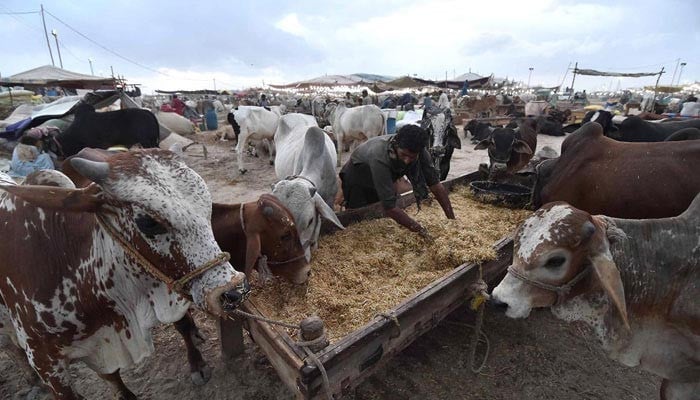
However, the economic impact is not uniformly positive. Certain sectors, particularly manufacturing and services that rely on continuous operations, may face temporary slowdowns due to reduced workforce availability. The livestock market, central to the Qurbani ritual, becomes a temporary but highly active economic zone. Farmers and traders from across the country converge in urban centers, creating a massive seasonal economy around the sale of sacrificial animals. This temporary market generates substantial revenue and provides livelihoods for countless individuals involved in animal rearing, transportation, and related services.
Cultural Observance and Social Cohesion
Beyond the economic implications, Eid al-Adha holidays are paramount for fostering social cohesion and preserving cultural traditions. The act of Qurbani is deeply embedded in Pakistani culture, often becoming a communal event where neighbors and extended family participate. The distribution of meat to the less fortunate is a powerful act of charity (sadaqah) that reinforces Islamic principles of generosity and compassion. This practice helps bridge socio-economic divides, ensuring that even the most vulnerable members of society can partake in the festive meals.
Family reunions are another cornerstone of the Eid celebrations. Many Pakistanis living in urban centers travel back to their ancestral villages or hometowns to celebrate with elderly parents and relatives. This migration strengthens family ties and allows for the transmission of cultural values and traditions across generations. Children particularly look forward to Eid, not just for new clothes and gifts (Eidi), but for the opportunity to spend quality time with cousins and extended family, participating in games and festivities. The three-day holiday provides ample time for these crucial social interactions, which are increasingly vital in an age of fast-paced urban living.
Historical Context and Government Policy
Public holidays for religious festivals are a long-standing tradition in Pakistan, reflecting the country's Islamic identity and the significance of these events in the lives of its citizens. The government's role in formally declaring these holidays underscores its commitment to facilitating religious observance and ensuring national participation. The decision-making process typically involves consultations within the Cabinet Division, often culminating in the Prime Minister's approval, as indicated by the phrase "The prime minister has been pleased to declare..." in such notifications.
Historically, the number of Eid holidays has varied slightly, but a minimum of two to three days is standard. The timing of Eid al-Adha, being based on the lunar calendar, shifts each year relative to the Gregorian calendar. For 2026, its occurrence in late May means a pleasant climate for travel and outdoor activities in many parts of the country, potentially enhancing the holiday experience. The government's early announcement for 2026 is a pragmatic move, providing clarity and predictability for businesses, educational institutions, and the general public, allowing for better planning and resource allocation.
Looking Ahead: Planning and Impact
As Pakistan looks towards Eid al-Adha 2026, the early announcement of holidays offers a valuable opportunity for proactive planning. Businesses can strategize their production schedules, manage inventory, and allocate staff more effectively. Educational institutions can finalize their academic calendars, and individuals can make travel arrangements well in advance, potentially securing better deals and avoiding last-minute rushes. This foresight can help mitigate some of the logistical challenges typically associated with major public holidays.
Moreover, the extended break provides a chance for a collective pause, allowing citizens to rejuvenate and reconnect with their spiritual and cultural roots. In a nation often grappling with socio-economic challenges, these moments of shared celebration and communal solidarity are invaluable. They reinforce a sense of national identity and provide a temporary respite, fostering goodwill and unity across diverse communities. The Eid al-Adha holidays in 2026 will undoubtedly be a period of profound religious observance, vibrant cultural expression, and significant economic activity, shaping the lives of millions across Pakistan.
Stay Informed
Get the world's most important stories delivered to your inbox.
No spam, unsubscribe anytime.
Comments
No comments yet. Be the first to share your thoughts!