Pixel Glow: Google's Next Hardware Frontier and the Looming Laptop Revolution
Google's Android 17 Beta 4 has unveiled 'Pixel Glow,' a tantalizing new feature hinting at advanced display technology and a potential new laptop. This discovery suggests Google is doubling down on hardware differentiation, integrating software innovations like adaptive refresh rates and dynamic color profiles directly into its ecosystem. The implications for Pixel devices, including phones and a rumored laptop, could redefine user experience and challenge established market leaders.
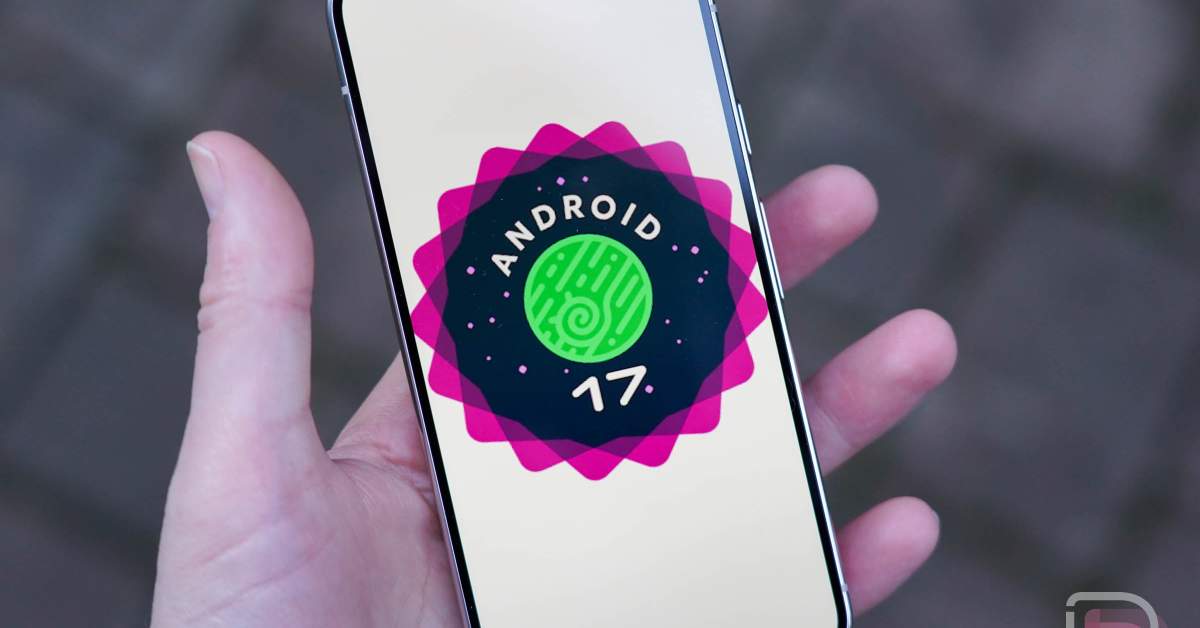
In the ever-accelerating race for technological supremacy, Google has consistently sought to carve out its niche, often through a blend of innovative software and meticulously crafted hardware. The latest whispers from the digital ether, emanating from the freshly launched Android 17 Beta 4, suggest the tech giant is on the cusp of unveiling a significant differentiator: Pixel Glow. This intriguing discovery, unearthed by vigilant developers and tech enthusiasts poring over the beta's code, points towards a future where Google's devices don't just perform, but truly shine, both literally and figuratively. What exactly is Pixel Glow, and how might it reshape our interaction with Google's ecosystem, particularly with the tantalizing prospect of a new Google-branded laptop?
Unearthing Pixel Glow: A Glimpse into Google's Display Future
The term "Pixel Glow" itself conjures images of vibrant, luminous displays, and the initial code analyses confirm this intuition. Experts diving into the Android 17 Beta 4 codebase have identified references to advanced display functionalities that go beyond mere brightness adjustments. These include sophisticated adaptive refresh rate mechanisms, dynamic color temperature adjustments based on ambient light, and potentially even localized display enhancements for specific content. Think of a display that not only adjusts its brightness but intelligently optimizes its entire visual output – color accuracy, contrast, and motion smoothness – to the content being viewed and the environment it's in. This level of granular control over display characteristics could represent a significant leap in visual fidelity and user comfort.
Historically, Google's Pixel line has been lauded for its camera prowess and clean Android experience, but display technology, while competent, hasn't always been its primary selling point against rivals like Samsung's vibrant AMOLEDs or Apple's ProMotion. Pixel Glow could change that narrative, positioning Google as a leader in adaptive, intelligent display technology. This isn't just about making screens brighter; it's about making them smarter, more efficient, and ultimately, more immersive. The implications are vast, from enhancing gaming experiences with ultra-smooth transitions to improving readability for extended periods, reducing eye strain, and ensuring color accuracy for professional creative tasks.
The Hardware Differentiator: Beyond Software Tweaks
While Android has always offered a robust platform for display customization, Pixel Glow appears to be a deeper, more integrated feature, likely requiring specific hardware optimizations to unlock its full potential. This is where Google's strategy of vertical integration, mirroring Apple's approach, becomes crucial. By designing both the software (Android) and the hardware (Pixel devices), Google can engineer synergies that competitors relying solely on Android cannot replicate. This allows for fine-tuned calibration and performance enhancements that are simply not possible when working with a fragmented ecosystem of hardware manufacturers.
Consider the evolution of display technology: from early LCDs to OLEDs, then to high refresh rates and HDR. Each step has brought incremental improvements. Pixel Glow seems to represent a more holistic approach, where the display is not just a panel but an intelligent component actively responding to the user and their environment. This could involve specialized display controllers, advanced power management units, and even AI-driven algorithms working in tandem to deliver an unparalleled visual experience. For consumers, this translates to a more consistent, higher-quality visual experience across all conditions, whether they're watching a movie in a dimly lit room or browsing the web under direct sunlight.
The Laptop Enigma: A New Contender in the Computing Arena?
Perhaps the most exciting revelation tied to Pixel Glow is the strong suggestion of a new Google-branded laptop. The Android 17 Beta 4 code reportedly contains references that extend Pixel Glow's capabilities beyond smartphones, indicating a larger form factor device. This isn't Google's first foray into laptops; the Pixelbook series, while critically acclaimed for its build quality and Chrome OS integration, never quite captured significant market share. However, the landscape has shifted dramatically since then. The rise of ARM-based processors, exemplified by Apple's M-series chips, has demonstrated the potential for powerful, efficient, and integrated computing experiences.
A new Google laptop, potentially powered by an in-house Tensor chip and running a highly optimized version of Android or a converged Chrome OS, could be a game-changer. Imagine a laptop where Pixel Glow ensures stunning visual fidelity, combined with the AI capabilities of Tensor, offering seamless integration with Google's vast suite of services. Such a device wouldn't just be another Chromebook; it would be a direct competitor to premium laptops from Apple, Microsoft, and traditional PC manufacturers, offering a unique blend of Android's app ecosystem, Chrome OS's security and simplicity, and Google's signature AI-driven intelligence. The success of such a device would hinge on a compelling value proposition, robust performance, and a clear differentiation strategy, all of which Pixel Glow could underpin.
Implications for the Ecosystem and the Future of Computing
The introduction of Pixel Glow and a potential new laptop signifies Google's continued ambition to build a cohesive, vertically integrated ecosystem. This strategy is not without its challenges, particularly in a highly competitive market. However, by leveraging its strengths in AI, software development, and now increasingly in custom silicon, Google aims to offer a distinct alternative to the established players.
For consumers, this could mean more choice and more innovative features. A Google laptop with Pixel Glow could offer unparalleled display quality for media consumption, creative work, and everyday productivity. For developers, it opens up new avenues for creating applications that leverage these advanced display capabilities. Furthermore, it could push other manufacturers to innovate further, leading to a healthier, more dynamic market.
In conclusion, Pixel Glow is more than just a catchy name; it represents a strategic move by Google to elevate the display experience across its hardware portfolio. Coupled with the strong hints of a new laptop, it paints a picture of a Google that is increasingly confident in its hardware ambitions, ready to challenge the status quo and offer a truly differentiated computing experience. As Android 17 progresses towards its stable release, all eyes will be on Google, anticipating the moment when Pixel Glow truly illuminates the future of its devices.
Stay Informed
Get the world's most important stories delivered to your inbox.
No spam, unsubscribe anytime.
Comments
No comments yet. Be the first to share your thoughts!