Poco C81 Pro Surfaces on Xiaomi Global: A Deep Dive into its Specifications and Market Implications
The Poco C81 Pro has unexpectedly appeared on Xiaomi's global website, prematurely revealing its full specifications and features. This unannounced listing points to an imminent launch of a new budget-friendly smartphone, featuring a 6.9-inch LCD, Unisoc T7250 chipset, and a 13MP camera. We explore what this means for the competitive entry-level segment and Poco's strategy.
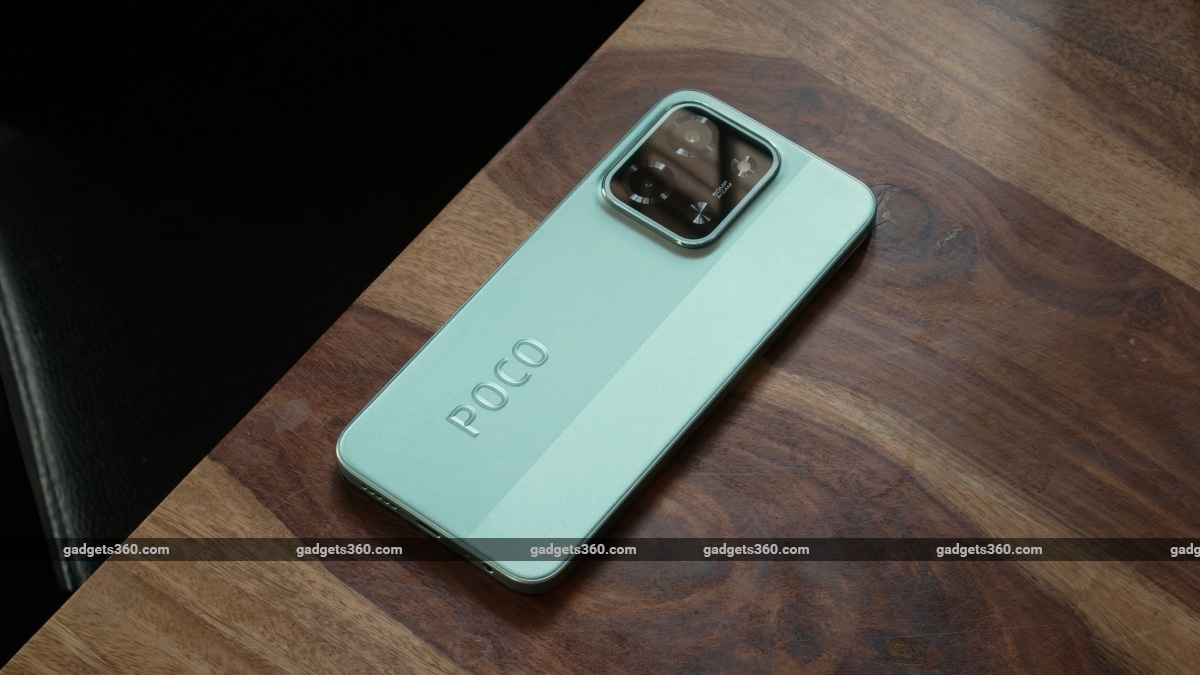
In a move that has sent ripples through the tech community, the Poco C81 Pro has reportedly made an unceremonious appearance on Xiaomi's global website. This premature listing, swiftly noticed by eagle-eyed tech enthusiasts, has laid bare the device's key specifications and features, hinting at an imminent official launch. For a brand known for its strategic product reveals, this accidental leak offers a rare glimpse into its upcoming budget-segment offering, sparking considerable discussion about its potential impact on the fiercely competitive entry-level smartphone market.
The Unveiling: Specifications at a Glance
The leaked listing provides a comprehensive overview of what consumers can expect from the Poco C81 Pro. Central to its design is a generous 6.9-inch LCD panel, suggesting a device aimed at users who prioritize screen real estate for media consumption and gaming. While LCD technology typically offers a more cost-effective solution compared to AMOLED, a panel of this size promises an immersive viewing experience, a significant selling point in its price bracket. The resolution details are yet to be fully confirmed, but given Poco's history, it's likely to be an HD+ or Full HD+ display, balancing visual quality with battery efficiency.
Under the hood, the Poco C81 Pro is powered by the Unisoc T7250 chipset. Unisoc, a Chinese fabless semiconductor company, has been steadily gaining traction in the budget and mid-range smartphone segments, offering competitive performance at lower costs. The T7250 is expected to deliver adequate processing power for everyday tasks, social media, light gaming, and smooth navigation through the Android operating system. This choice of processor underscores Poco's commitment to affordability without entirely compromising on user experience, a delicate balance that defines its C-series lineup.
For photography, the device is equipped with a 13-megapixel rear camera unit. While a single 13MP sensor might seem modest in an era of multi-camera setups, Poco often optimizes its camera software to extract the best possible image quality from its hardware. This main sensor is likely to be accompanied by auxiliary lenses, such as a depth sensor or a macro lens, though the leak primarily highlighted the primary shooter. The front camera specifications remain under wraps, but it's safe to assume it will cater to basic selfie needs and video calls. Battery capacity, charging speeds, and storage configurations are also critical details that the full listing would reveal, but the initial leak focused on these core components.
Poco's Strategy in the Entry-Level Arena
The Poco C-series has historically been Xiaomi's (and by extension, Poco's) answer to the highly price-sensitive entry-level market. Devices in this series are designed to offer essential smartphone functionalities and a decent user experience at an aggressive price point, often targeting emerging markets and users upgrading from feature phones or older smartphones. The C81 Pro's specifications align perfectly with this strategy: a large screen, a capable (for its segment) processor, and a functional camera system.
This segment is characterized by fierce competition, with brands like Realme, Samsung's M-series, and various local players vying for market share. Success in this arena hinges not just on raw specifications but also on brand trust, software optimization, and after-sales support. Poco, leveraging Xiaomi's extensive ecosystem and supply chain, has a distinct advantage in these areas. The C81 Pro's appearance suggests a continued effort to refresh its budget portfolio, ensuring it remains competitive against newer offerings from rivals.
The Unisoc Factor: A Growing Trend
The inclusion of a Unisoc chipset in the Poco C81 Pro is particularly noteworthy. For years, MediaTek and Qualcomm have dominated the smartphone SoC landscape. However, Unisoc has been making significant inroads, especially in the budget and ultra-budget segments. Their chipsets offer a compelling alternative, allowing manufacturers to reduce production costs without a drastic drop in performance compared to older generations of MediaTek or Snapdragon processors. This strategic partnership enables Poco to maintain its aggressive pricing while still delivering a modern Android experience.
For consumers, this means more choices and potentially better value. As Unisoc continues to refine its offerings, we might see even more capable devices at lower price points, further democratizing smartphone technology. The T7250, while not a powerhouse, is designed for efficiency and reliability, crucial for a device that might be a user's primary and only computing device.
Market Implications and Future Outlook
The impending launch of the Poco C81 Pro will undoubtedly intensify competition in the sub-$150 or sub-$200 smartphone category. Its large display and Unisoc T7250 processor position it as a strong contender for users seeking an affordable device for media consumption, basic productivity, and communication. The timing of this leak, ahead of any official announcement, could be a deliberate marketing tactic to generate buzz, or a genuine oversight. Either way, it has successfully put the C81 Pro on the radar of tech enthusiasts and potential buyers.
Looking ahead, the success of the Poco C81 Pro will depend on its final pricing, overall build quality, and the software experience it offers. Poco's MIUI for Poco (or HyperOS, depending on the launch timing) is generally well-regarded for its features and customization options. If the C81 Pro can deliver a smooth, reliable experience at an attractive price, it has the potential to be another strong seller for the brand, reinforcing Poco's position as a disruptor in the value segment. The global website listing serves as a clear indicator that the device is ready for prime time, and an official announcement is likely just around the corner, marking the next chapter in Poco's relentless pursuit of market dominance through aggressive pricing and feature-rich devices.
Ultimately, the Poco C81 Pro represents more than just another smartphone; it's a testament to the ongoing evolution of budget-friendly technology, where powerful features are becoming increasingly accessible to a wider global audience. Its arrival will be keenly watched by both consumers and industry analysts alike, as it sets a new benchmark for what's possible in the entry-level segment.
Stay Informed
Get the world's most important stories delivered to your inbox.
No spam, unsubscribe anytime.
Comments
No comments yet. Be the first to share your thoughts!