Pro-Regime Graffiti in Los Angeles Ignites Fears of Transnational Intimidation in Iranian Diaspora
The appearance of pro-Iranian regime graffiti in a prominent Iranian-American neighborhood in Los Angeles has sent shockwaves through the community. This act of vandalism is seen by many as a deliberate attempt to intimidate and silence dissent, raising serious concerns about the spillover of geopolitical tensions into diaspora communities. Residents fear a growing climate of fear and the erosion of their sense of safety and freedom in the United States.
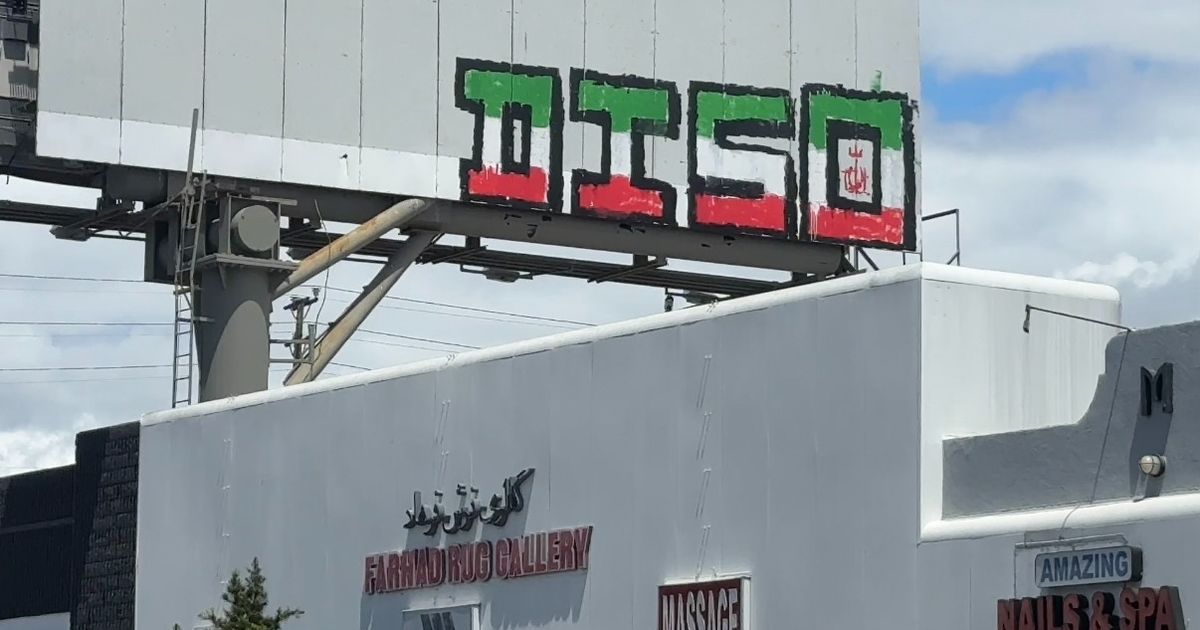
In the sprawling metropolis of Los Angeles, a city synonymous with diverse cultures and vibrant communities, a chilling development has emerged, casting a shadow over one of its most prominent enclaves. Recent sightings of pro-Iranian regime graffiti in a historically Iranian-American neighborhood have ignited a profound sense of unease and concern, transforming what might otherwise be dismissed as mere vandalism into a potent symbol of transnational intimidation. For many residents, this isn't just about defaced walls; it's about the perceived long arm of a repressive regime reaching across continents, threatening the very sense of safety and freedom they sought in the United States.
The graffiti, appearing in areas known for their strong Iranian-American presence, has been interpreted by many as a direct message, a stark reminder that even thousands of miles away, the political struggles and divisions of their homeland can penetrate their adopted country. This incident underscores a growing apprehension within diaspora communities worldwide: the fear that geopolitical conflicts and authoritarian tactics are increasingly transcending national borders, manifesting as a subtle yet insidious form of psychological warfare against exiles and dissidents.
A Community on Edge: The Echoes of Tehran in Los Angeles
Los Angeles hosts one of the largest Iranian diaspora populations outside of Iran, often referred to as "Tehrangeles." This community is a complex tapestry of individuals who fled the 1979 revolution, their descendants, and more recent immigrants, all united by their heritage but often divided by their political views on the current Iranian government. The vast majority are staunchly opposed to the clerical regime, actively campaigning for human rights and democratic change in Iran. Therefore, the appearance of pro-regime slogans in their midst is not just an affront; it's a direct challenge.
Community leaders and activists have voiced their alarm, suggesting that these acts are not random. "This is not just some kids with spray cans," stated Dr. Parisa Ahmadi, a prominent Iranian-American community organizer, in a recent interview. "This is a calculated effort to sow fear, to remind us that we are being watched, and to silence our voices. It's a tactic straight out of the regime's playbook, designed to create an atmosphere of intimidation." The timing is particularly poignant, coming amidst ongoing protests and widespread discontent within Iran, which the diaspora community has vocally supported.
Historical Context: A Pattern of Transnational Repression
The concerns raised by the Los Angeles graffiti are not unfounded. The Iranian regime has a well-documented history of engaging in transnational repression, targeting dissidents and critics abroad. This has ranged from surveillance and harassment to more extreme measures, including kidnappings and assassinations. Reports from human rights organizations and intelligence agencies have consistently highlighted these tactics, which aim to:
* Silence dissent: By instilling fear, the regime seeks to prevent exiles from organizing or speaking out against its policies. * Control narratives: It attempts to counter negative portrayals of the government by promoting pro-regime messages, even in foreign lands. * Intimidate families: Threats against relatives still in Iran are a common leverage point used to pressure diaspora members.
Examples include the alleged abduction of journalist Ruhollah Zam from Iraq in 2019 and his subsequent execution, or the numerous reports of Iranian intelligence agents monitoring and harassing activists in Europe and North America. The Los Angeles graffiti, while seemingly minor in comparison, fits into this broader pattern, serving as a psychological tool to erode the sense of security and belonging among Iranian-Americans.
The Psychological Impact and Broader Implications
The psychological toll on the Iranian-American community is significant. Many individuals who fled Iran did so to escape political persecution, only to find that the shadow of the regime can still reach them. This can lead to:
* Increased anxiety and paranoia: A constant feeling of being watched or targeted. * Self-censorship: Individuals may become less willing to speak out or participate in political activism for fear of repercussions, either for themselves or their families in Iran. * Erosion of trust: A diminished sense of trust in local law enforcement's ability or willingness to protect them from foreign interference.
Beyond the immediate community, this incident carries broader implications for democratic societies. It highlights the challenges faced by host countries in protecting their citizens and residents from foreign state-sponsored intimidation. The principle of freedom of speech and assembly, cornerstones of democratic governance, are directly undermined when foreign powers can exert influence and fear within sovereign borders. Law enforcement agencies face the delicate task of investigating such incidents without alienating communities or infringing on civil liberties, while also sending a clear message that such tactics will not be tolerated.
Navigating a Divided Diaspora: The Role of Social Media and Information Warfare
The digital age has further complicated these dynamics. Social media platforms have become battlegrounds for competing narratives, where both pro-regime and opposition voices vie for influence. Disinformation campaigns, online harassment, and the spread of propaganda are rampant, making it difficult for individuals to discern truth from falsehood. The graffiti, in this context, can be seen as a physical manifestation of this digital information warfare, extending the ideological struggle into the physical public space.
For the Iranian-American community, this means navigating a complex landscape where online interactions can have real-world consequences. The fear of being identified, doxxed, or targeted for their views is a constant presence. This makes the role of community organizations and independent media even more crucial in providing accurate information, fostering safe spaces for discussion, and advocating for the rights and safety of their members.
Conclusion: Upholding Freedom in the Face of Transnational Threats
The appearance of pro-regime graffiti in Los Angeles is more than just an act of vandalism; it is a potent symbol of the ongoing struggle between authoritarianism and freedom, a struggle that increasingly plays out on a global stage and within the hearts of diaspora communities. It serves as a stark reminder that the fight for human rights and democratic values is not confined to national borders but extends wherever individuals seek refuge from oppression.
For the Iranian-American community, the challenge is to remain resilient, to continue their advocacy for a free Iran, and to resist the attempts to silence them through intimidation. For local authorities and federal agencies, it is a call to action to robustly investigate such incidents, protect their citizens from foreign interference, and uphold the principles of freedom and safety that define democratic societies. As geopolitical tensions continue to simmer, the ability of nations to safeguard their diverse populations from transnational repression will be a critical test of their commitment to liberty and justice for all.
Stay Informed
Get the world's most important stories delivered to your inbox.
No spam, unsubscribe anytime.
Comments
No comments yet. Be the first to share your thoughts!