Red Sea Realignment: Ethiopia's Strategic Pivot Amid Shifting Global Powers
Ethiopia is orchestrating a significant strategic realignment in the Red Sea region, seeking to normalize relations with Eritrea and advocating for Somaliland's recognition. This pivot is driven by evolving US priorities and a desire to secure maritime access. The intricate geopolitical dance involves historical grievances, economic imperatives, and the broader implications of a changing world order, particularly for regional stability and global trade.
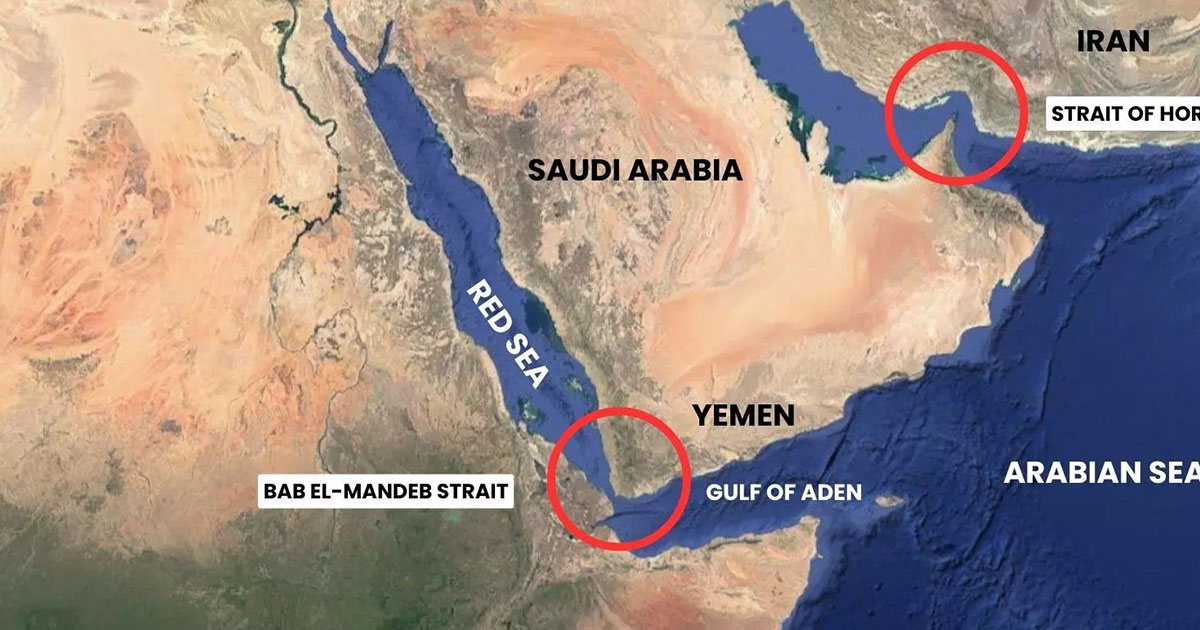
The Horn of Africa, a region perennially at the crossroads of global geopolitics, is once again witnessing a profound strategic realignment. At its heart is Ethiopia, a landlocked nation of over 120 million people, pursuing an ambitious agenda to reshape its regional standing. Reports of its intentions to normalize relations with Eritrea and growing calls for the US to follow in Israel’s footsteps in recognizing Somaliland are not isolated incidents but rather critical components of a grander strategy. This intricate dance is playing out against a backdrop of shifting superpower priorities, particularly the perceived 'stumbling war' of the United States, compelling regional actors to forge new alliances and assert greater autonomy.
The Quest for Maritime Access: A Historical Imperative
Ethiopia's landlocked status since Eritrea's independence in 1993 has been a persistent strategic vulnerability and a source of economic constraint. Access to the sea is not merely a convenience; it is a geopolitical imperative for a nation of Ethiopia's size and economic ambition. The current reliance on Djibouti's port, while functional, comes with significant costs and strategic dependencies. This historical context underpins Ethiopia's current overtures. The push for a port deal with Somaliland, potentially involving the port of Berbera, is a direct manifestation of this long-standing objective. Such a move would diversify Ethiopia's maritime access, reduce its reliance on a single corridor, and unlock immense economic potential by facilitating trade and investment. The historical narrative of Ethiopia as a major regional power has always been intertwined with its access to vital trade routes, and the Red Sea is undeniably one of the most critical maritime arteries in the world.
Eritrea and Somaliland: Two Prongs of a Unified Strategy
Ethiopia's strategy appears to have two primary, interconnected prongs: reconciliation with Eritrea and recognition of Somaliland. The normalization of relations with Eritrea, which began with a historic peace deal in 2018, was a monumental step towards regional stability. While the initial euphoria has somewhat waned, the underlying strategic rationale remains. A fully normalized, cooperative relationship with Eritrea could potentially open up access to the Eritrean ports of Assab and Massawa, offering direct and historically significant routes to the Red Sea. This would not only provide economic benefits but also enhance regional security cooperation.
Simultaneously, the advocacy for Somaliland's recognition by the US, following Israel's reported consideration, represents a bold diplomatic gambit. Somaliland, a self-declared independent state since 1991, has maintained relative peace and democratic governance in a turbulent region. Its strategic location on the Gulf of Aden, particularly the port of Berbera, makes it an attractive partner for Ethiopia. Recognition by a major power like the US would be a diplomatic coup for Somaliland and would significantly bolster Ethiopia's argument for a port deal, potentially including a naval base, which has been a contentious point. This dual approach signifies a calculated effort by Addis Ababa to leverage existing geopolitical currents to secure its long-term strategic interests.
Shifting Sands: US Priorities and Regional Autonomy
The timing of Ethiopia's strategic pivot is crucial. The 'stumbling war' of the United States, a phrase often used to describe its perceived disengagement or recalibration of priorities in certain regions, has created a vacuum or, perhaps more accurately, an opportunity for regional powers to assert greater agency. The US, increasingly focused on great power competition with China and Russia, and grappling with domestic challenges, appears to be less inclined to micromanage regional conflicts in the Horn of Africa. This perceived shift allows Ethiopia, and other regional actors, more room to maneuver and pursue their interests without immediate fear of superpower intervention or disapproval.
Furthermore, the growing influence of other global powers, such as China, Turkey, and various Gulf states, in the Horn of Africa has diversified the diplomatic and economic landscape. This multi-polar environment provides regional states with alternative partners and leverage, reducing their sole reliance on traditional Western alliances. Ethiopia's moves reflect a broader trend of regional autonomy and self-reliance, where nations are proactively shaping their destinies rather than passively reacting to external dictates. The potential for Israel to recognize Somaliland, driven by its own strategic interests in the Red Sea, further complicates and enriches this dynamic, signaling a willingness by non-traditional actors to engage in the region.
Implications for Regional Stability and Global Trade
The strategic realignment initiated by Ethiopia carries significant implications for both regional stability and global trade. On one hand, successful normalization with Eritrea and a stable, recognized Somaliland could usher in an era of unprecedented economic cooperation and security in the Horn of Africa. A network of diversified port access points, coupled with improved regional connectivity, could transform the economic landscape, fostering trade, investment, and development across the region. This could also help mitigate some of the underlying causes of conflict, such as resource scarcity and economic marginalization.
However, the path is fraught with challenges. Somalia vehemently opposes any move towards Somaliland's recognition, viewing it as a violation of its territorial integrity. This could escalate tensions and potentially destabilize an already fragile nation. The delicate balance of power in the Red Sea, a critical chokepoint for global shipping and energy flows, could also be disrupted. Major powers, including Egypt and Saudi Arabia, have vested interests in the Red Sea's security and stability. Any significant shift in the regional geopolitical architecture will inevitably draw their attention and potentially their involvement. The international community will need to carefully navigate these complex dynamics to ensure that Ethiopia's strategic aspirations contribute to, rather than detract from, regional peace and prosperity. The long-term stability of the Bab-el-Mandeb Strait and the Suez Canal route hinges on a balanced and cooperative regional environment.
A Forward-Looking Perspective: Ethiopia's Vision for the Future
Ethiopia's current strategic maneuvers represent a bold vision for its future: a future where it is not only a major continental power but also a significant maritime actor. By seeking to normalize relations with Eritrea and advocating for Somaliland's recognition, Addis Ababa is attempting to reclaim its historical access to the sea and secure its economic and strategic independence. This strategy is a testament to the evolving nature of international relations, where traditional power structures are being challenged and regional actors are increasingly taking the initiative. The success of this realignment will depend on Ethiopia's diplomatic acumen, its ability to manage complex regional rivalries, and the willingness of international partners to adapt to this new geopolitical reality. The Horn of Africa is undeniably entering a new chapter, one written by its own nations, with Ethiopia at the forefront of this transformative narrative. The world watches closely as this ancient civilization seeks to redefine its place in the modern global order, with profound implications for peace, prosperity, and the balance of power in a crucial part of the world.
Stay Informed
Get the world's most important stories delivered to your inbox.
No spam, unsubscribe anytime.
Comments
No comments yet. Be the first to share your thoughts!