Russia's Brutal Overnight Barrage: Ukraine's Cities Endure Devastating Missile Strikes
In a harrowing overnight assault on April 16, Russian forces unleashed a barrage of missiles on major Ukrainian cities, including Kyiv, Dnipro, and Odesa. The coordinated strikes targeted residential areas, leaving at least 13 dead and 86 injured, and causing widespread destruction. This latest escalation underscores the relentless human cost and strategic implications of the ongoing conflict, drawing condemnation from the international community and highlighting Ukraine's urgent need for enhanced air defense.
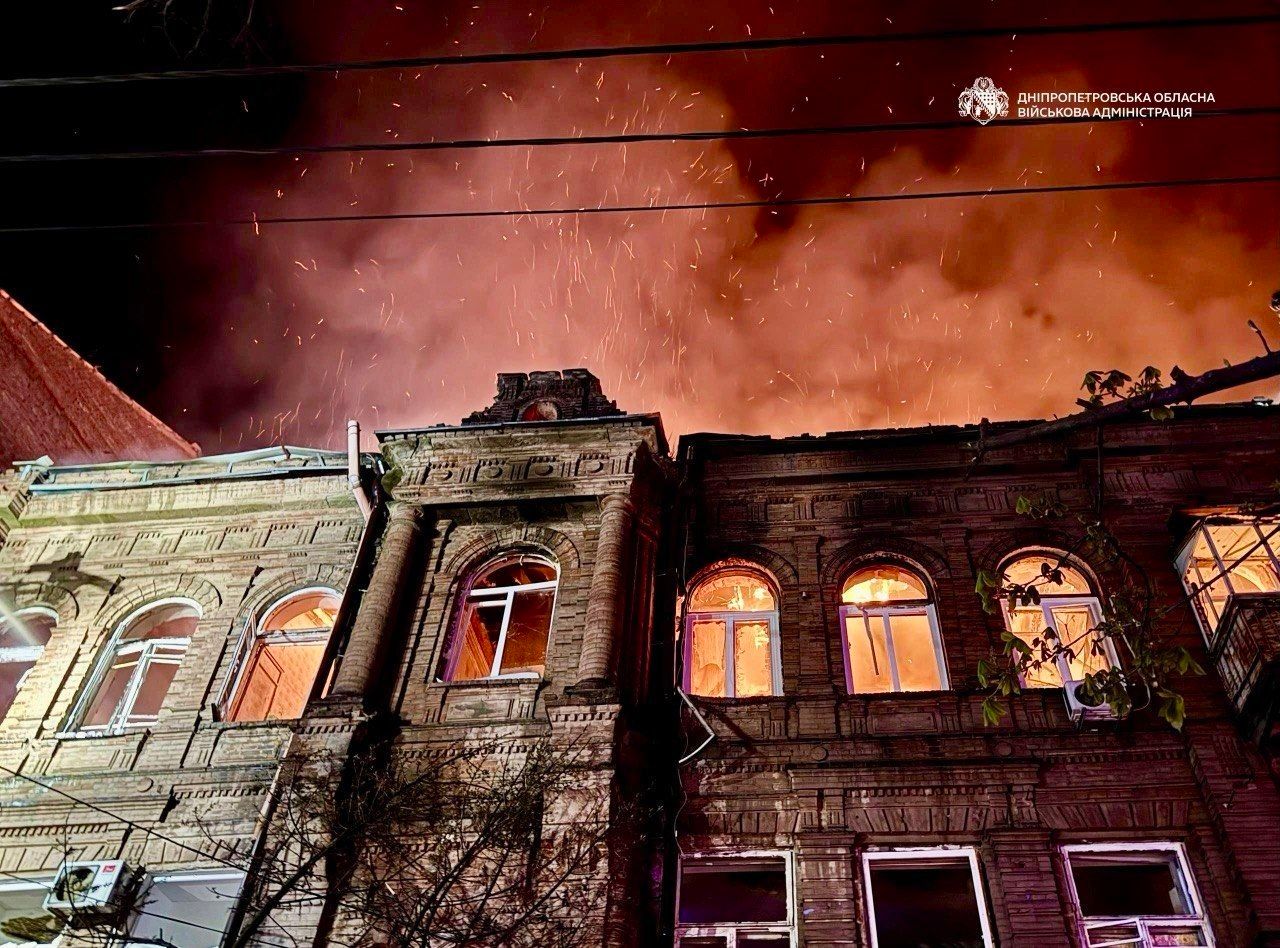
The pre-dawn hours of April 16 shattered the fragile peace across Ukraine, as Russian forces launched a devastating, coordinated missile attack on several major cities. Residential neighborhoods in the capital Kyiv, the industrial hub of Dnipro, and the strategic Black Sea port of Odesa bore the brunt of the assault, leaving a trail of destruction, death, and despair. At least 13 civilians were killed and 86 injured in what Ukrainian officials described as a deliberate targeting of civilian infrastructure, marking another grim chapter in the protracted conflict.
This latest barrage is not an isolated incident but rather a stark reminder of the brutal reality faced by millions of Ukrainians daily. Homes were reduced to rubble, apartment blocks became infernos, and the lives of ordinary citizens were irrevocably altered. The attacks highlight Russia's continued strategy of terrorizing urban centers, aiming to break the morale of the Ukrainian populace and undermine the nation's resilience.
A Night of Terror and Destruction
The scale and coordination of the April 16 strikes were particularly alarming. Sirens wailed across the country for hours as multiple waves of missiles, including cruise missiles and possibly ballistic missiles, rained down. In Kyiv, residents awoke to the sound of explosions as air defense systems intercepted incoming projectiles, but not all could be stopped. Debris from downed missiles and direct hits caused significant damage to residential buildings in several districts. Emergency services worked tirelessly through the night, battling fires and sifting through rubble in search of survivors.
Dnipro, a city that has repeatedly suffered from Russian aggression, once again experienced immense devastation. Reports indicated direct hits on apartment complexes and civilian infrastructure, leading to a high number of casualties. Similarly, Odesa, a city of immense historical and economic importance, faced renewed attacks, further imperiling its port operations and the safety of its inhabitants. The attacks on these diverse cities—political, industrial, and maritime centers—underscore Russia's broad and indiscriminate targeting strategy, aiming to inflict maximum damage across Ukraine's vital arteries.
The Broader Context: Escalation and Strategy
These missile strikes come amidst a period of heightened tension and renewed Russian offensives on the eastern front. Military analysts suggest that such large-scale missile attacks serve multiple purposes for Moscow. Firstly, they aim to deplete Ukraine's already strained air defense capabilities, creating openings for future aerial assaults or ground operations. Secondly, they are a form of psychological warfare, intended to sow fear and panic among the civilian population, hoping to erode support for the government and the war effort. Thirdly, they are often retaliatory, following Ukrainian successes on the battlefield or cross-border incursions.
Historically, Russia has employed similar tactics throughout the conflict, using its vast arsenal of long-range missiles to strike targets deep within Ukrainian territory. From the initial days of the full-scale invasion in February 2022, when Kyiv was targeted with the aim of a swift regime change, to the systematic attacks on energy infrastructure during the winter of 2022-2023, the pattern of targeting civilian areas and critical infrastructure has been consistent. This strategy violates international humanitarian law, which strictly prohibits indiscriminate attacks and the targeting of civilians.
International Response and Ukraine's Resilience
The international community was quick to condemn the latest wave of attacks. Leaders from the United States, the European Union, and other allied nations reiterated their unwavering support for Ukraine and called for increased military aid, particularly advanced air defense systems. Ukrainian President Volodymyr Zelenskyy appealed for faster delivery of promised weaponry, emphasizing that every delay costs lives and emboldens the aggressor. The need for systems like Patriot and NASAMS is more critical than ever, as they provide a crucial shield against Russia's aerial onslaught.
Despite the relentless attacks, the spirit of Ukrainian resilience remains unbroken. Citizens continue to volunteer, rebuild, and support their armed forces. The attacks, while devastating, often serve to harden resolve rather than break it. International organizations are mobilizing aid to help those displaced and injured, providing medical assistance, shelter, and psychological support. The global response underscores the understanding that Ukraine is fighting not just for its own sovereignty, but for the principles of international law and democratic values against authoritarian aggression.
The Path Forward: Air Defense and Accountability
The immediate priority for Ukraine remains bolstering its air defense capabilities. Without a robust aerial shield, its cities will continue to be vulnerable to Russia's missile and drone attacks. Western allies face increasing pressure to expedite the delivery of sophisticated systems and ammunition, as well as to explore innovative ways to counter Russia's evolving tactics, which now include the widespread use of Iranian-made Shahed drones alongside conventional missiles.
Beyond immediate defense, the long-term goal involves holding Russia accountable for its actions. International bodies are gathering evidence of war crimes, and discussions continue regarding the establishment of special tribunals. The reconstruction of Ukraine, a monumental task, will also require sustained international commitment, not just in financial aid but also in expertise and resources. The events of April 16 serve as a stark reminder that the conflict in Ukraine is far from over, and its human toll continues to mount. The world watches, hoping for an end to the violence and a path towards a just and lasting peace, but recognizing that such a peace can only be built on security and accountability for the atrocities committed.
Stay Informed
Get the world's most important stories delivered to your inbox.
No spam, unsubscribe anytime.
Comments
No comments yet. Be the first to share your thoughts!