Super Typhoon Sinlaku Devastates Northern Marianas: Weeks of Power Outages Feared
Super Typhoon Sinlaku has left a trail of destruction across the Northern Mariana Islands, with officials warning of weeks-long power and water outages in hard-hit areas. Saipan's only hospital experienced severe flooding, exacerbating an already critical situation. The islands, a U.S. territory, now face a monumental recovery effort amid widespread infrastructure damage and humanitarian concerns. This article delves into the immediate aftermath, long-term implications, and the resilience of a community grappling with climate change's increasing fury.
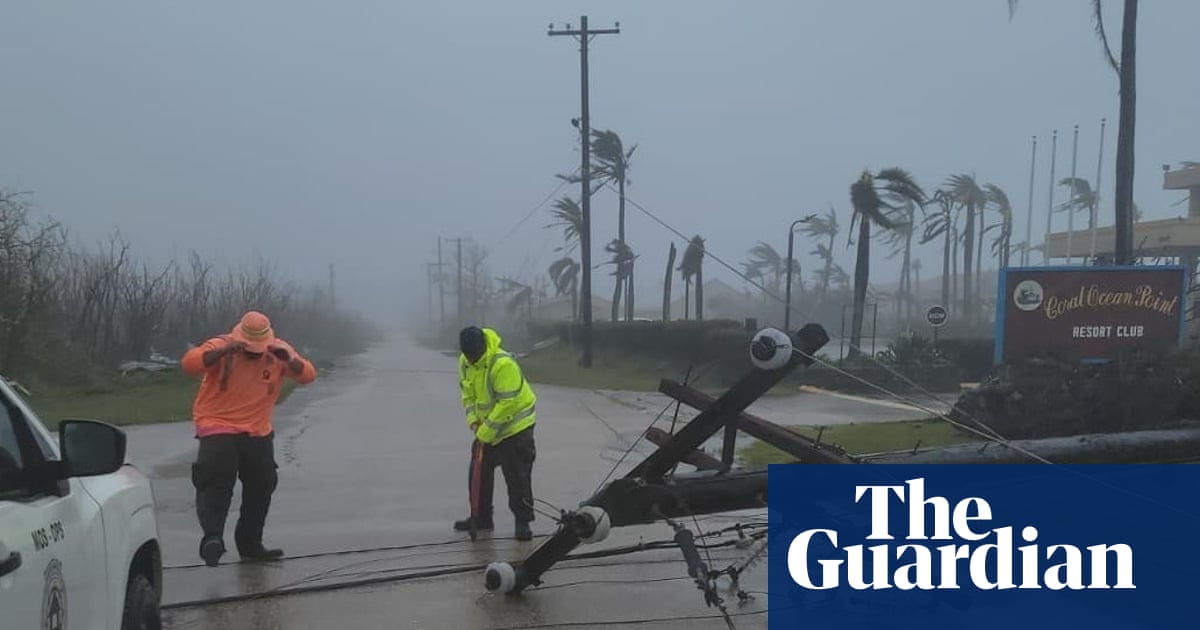
The tranquil azure waters and verdant landscapes of the Northern Mariana Islands, a picturesque U.S. territory in the western Pacific, have been violently reshaped by the raw power of Super Typhoon Sinlaku. In its wake, a stark reality has emerged: residents in some of the hardest-hit areas face the daunting prospect of weeks, possibly even months, without essential services like electricity and potable water. This catastrophic event underscores the escalating vulnerability of island nations to extreme weather phenomena, forcing a critical reevaluation of disaster preparedness and climate resilience in a rapidly warming world.
The Immediate Aftermath: A Landscape of Despair
Sinlaku, a monstrous Category 5 storm, unleashed its fury with fierce winds exceeding 160 miles per hour and torrential rains that turned streets into rivers. The sheer force of the typhoon was enough to snap concrete utility poles, rip roofs from homes, and leave a mosaic of debris scattered across the islands. The capital island of Saipan, home to the majority of the commonwealth's population, bore the brunt of the storm. Its only hospital, a critical lifeline for the entire archipelago, was not spared, experiencing severe flooding that compromised vital medical facilities and equipment. This immediate crisis highlights the fragility of essential infrastructure in the face of such overwhelming natural disasters.
Eyewitness accounts paint a grim picture: entire neighborhoods submerged, roads rendered impassable by fallen trees and power lines, and homes reduced to rubble. The psychological toll on residents, many of whom have endured previous typhoons, is immense. The loss of power means no refrigeration for food or medicine, no communication with loved ones, and a pervasive sense of isolation. The lack of clean water poses an immediate public health crisis, raising concerns about waterborne diseases and sanitation. Emergency responders, already stretched thin, are working tirelessly to assess the damage and provide initial relief, but the scale of destruction is unprecedented for many in the region.
Infrastructure Collapse and the Road to Recovery
The most pressing challenge facing the Northern Marianas is the widespread collapse of its infrastructure. The power grid has been decimated, with countless utility poles toppled and transmission lines severed. Restoring electricity to an entire island chain, particularly one with such dispersed populations and challenging terrain, is a monumental undertaking that will require significant external aid and expertise. Officials have warned that full restoration could take weeks, if not months, plunging communities into prolonged darkness and hindering economic activity.
Beyond electricity, the water supply system has also been severely compromised. Pumping stations rely on electricity, and damaged pipes or contamination can render existing water sources unusable. Humanitarian organizations and government agencies are mobilizing to provide bottled water and establish temporary purification systems, but these are stop-gap measures. The long-term solution involves rebuilding resilient infrastructure that can withstand future climatic shocks, a costly and time-consuming endeavor. The economic impact is equally devastating, with tourism – a cornerstone of the islands' economy – expected to suffer a severe downturn, affecting livelihoods and government revenues for the foreseeable future.
A History of Resilience: Learning from Past Storms
The Northern Mariana Islands are no strangers to powerful typhoons. Located in a region frequently traversed by these cyclonic storms, residents have developed a deep-seated resilience and an intimate understanding of their environment. However, the intensity and frequency of these events appear to be increasing, a trend many attribute to climate change. Super Typhoon Yutu in 2018, for instance, was another Category 5 storm that caused widespread devastation, offering a grim precedent for Sinlaku's aftermath. The lessons learned from Yutu, particularly regarding emergency preparedness, communication protocols, and the need for robust building codes, are now being put to the ultimate test.
Local communities have often relied on their strong communal bonds and traditional knowledge to rebuild after disasters. However, the sheer scale of Sinlaku's destruction demands a more coordinated and substantial response. The U.S. federal government, through agencies like FEMA, plays a crucial role in providing financial aid, logistical support, and technical assistance. The challenge lies not just in immediate relief but in implementing long-term strategies for adaptation and mitigation, ensuring that future generations are better protected against the increasing wrath of nature.
The Broader Implications: Climate Change and Island Vulnerability
Sinlaku serves as a stark reminder of the disproportionate impact of climate change on small island developing states (SIDS). While contributing minimally to global greenhouse gas emissions, these nations are on the front lines of its most severe consequences: rising sea levels, ocean acidification, and more frequent and intense extreme weather events. The Northern Marianas, like many other Pacific island nations, face an existential threat that extends beyond immediate disaster recovery. The repeated battering by super typhoons strains their limited resources, impedes development, and threatens their unique cultural heritage.
Expert analysis suggests that as global temperatures continue to rise, the intensity of tropical cyclones is likely to increase, even if their frequency remains stable or slightly decreases. This means more Category 4 and 5 storms, capable of inflicting catastrophic damage. For the Northern Marianas, this trend necessitates a fundamental shift towards climate-resilient development, including: * Hardening infrastructure: Building stronger homes, roads, and utility systems. * Investing in renewable energy: Decentralizing power generation to reduce vulnerability. * Developing early warning systems: Enhancing meteorological capabilities and community outreach. * Coastal protection: Implementing natural and engineered solutions to combat erosion and storm surges. * International cooperation: Securing funding and expertise from developed nations to support adaptation efforts.
A Community's Resolve: Looking Forward
As the Northern Mariana Islands begin the arduous journey of recovery, the resilience of its people will be their greatest asset. The immediate focus remains on humanitarian aid, restoring essential services, and providing shelter for those displaced. However, the long-term vision must encompass a transformative approach to sustainability and climate adaptation. This includes not only physical reconstruction but also strengthening social safety nets, promoting economic diversification, and fostering a deeper understanding of environmental stewardship.
The global community has a responsibility to support these vulnerable nations. The devastation wrought by Super Typhoon Sinlaku is not an isolated incident but a symptom of a larger global crisis. The Northern Marianas' struggle to rebuild and adapt offers a poignant case study, urging a more urgent and equitable international response to climate change. Their future, and indeed the future of countless other island communities, depends on it. The path ahead is long and challenging, but the spirit of the Marianas, forged by generations of living in harmony with the powerful Pacific, will undoubtedly guide them through this latest trial, emerging stronger and more determined than ever to protect their cherished home.
Stay Informed
Get the world's most important stories delivered to your inbox.
No spam, unsubscribe anytime.
Comments
No comments yet. Be the first to share your thoughts!