Samsung Galaxy S27 Ultra: The Return of Variable Aperture and the 200MP Camera Revolution
Samsung is reportedly poised to reintroduce variable aperture technology, potentially paired with a groundbreaking 200-megapixel main camera, in its upcoming Galaxy S27 Ultra. This move could significantly elevate smartphone photography, offering unprecedented control over depth of field and low-light performance. The innovation signals a new frontier in the fierce camera wars, challenging rivals like Apple and Huawei with professional-grade imaging capabilities.
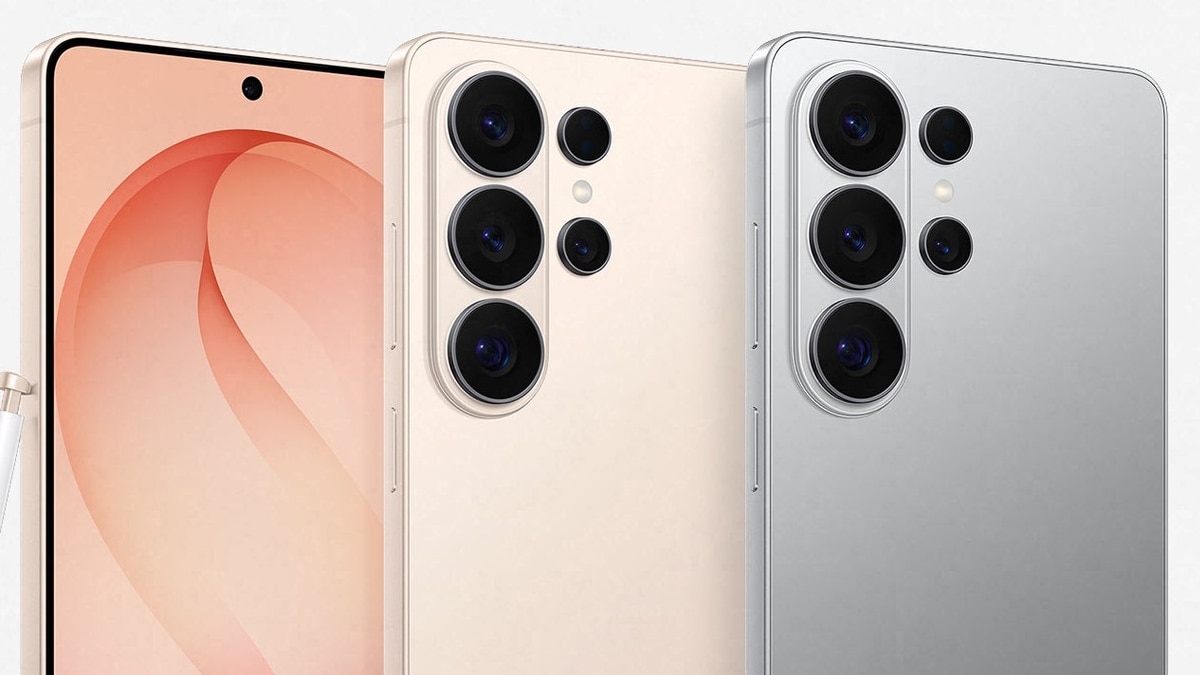
In the relentless pursuit of photographic perfection, smartphone manufacturers are constantly pushing the boundaries of what's possible in a pocket-sized device. For years, the industry has focused on increasing megapixel counts, refining computational photography, and adding more lenses. However, a seismic shift appears to be on the horizon, with Samsung reportedly poised to reintroduce a feature that once graced its flagship devices nearly a decade ago: the variable aperture. This time, it's rumored to be paired with an astounding 200-megapixel main camera in the anticipated Galaxy S27 Ultra, a move that could redefine mobile imaging and intensify the battle for camera supremacy.
The whispers from industry insiders suggest that Samsung, along with Chinese tech giant Huawei, is actively testing 200MP main rear cameras equipped with variable aperture technology. If these reports hold true, the Galaxy S27 Ultra could emerge as a true game-changer, offering photographers unparalleled control over their shots, from stunning landscapes with expansive depth of field to captivating portraits with beautifully blurred backgrounds. This isn't merely an incremental upgrade; it represents a strategic pivot towards hardware-driven photographic excellence, aiming to rival and potentially surpass the capabilities of dedicated mirrorless cameras.
The Resurgence of Variable Aperture: A Decade in the Making
The concept of a variable aperture in a smartphone camera isn't entirely new. Samsung first introduced a dual-aperture system with the Galaxy S9 series in 2018, allowing the rear camera to switch between two fixed apertures: f/1.5 for low-light conditions and f/2.4 for brighter environments. This innovative feature provided a tangible advantage, enabling users to adapt their camera's light intake and depth of field to different scenarios. However, the technology was eventually phased out, largely due to the increasing sophistication of computational photography, which promised similar results through software algorithms, and the desire for thinner phone designs.
So, why the sudden resurgence? The answer lies in the limitations of computational photography and the growing demand for more authentic, unmanipulated image capture. While AI and software processing can do wonders, they often lack the physical control over light that a mechanical aperture provides. A true variable aperture, especially one with more than two settings, offers: * Enhanced Low-Light Performance: A wider aperture (smaller f-number) allows more light to hit the sensor, resulting in brighter, less noisy images in dim conditions. * Greater Depth of Field Control: A narrower aperture (larger f-number) increases the depth of field, keeping more of the scene in focus, ideal for landscapes or group shots. Conversely, a wider aperture creates a shallower depth of field, perfect for isolating subjects with a pleasing background blur (bokeh). * Improved Image Quality: By physically controlling light, the camera can capture more accurate data, potentially leading to higher fidelity images with better dynamic range and color reproduction, reducing the need for heavy post-processing.
Industry analysts, such as Mr. Kim Young-woo from SK Securities, have long advocated for the return of variable aperture, citing its potential to significantly differentiate smartphone cameras. "Variable aperture is a key technology that can differentiate smartphone cameras," Kim noted, emphasizing that the technology could evolve to offer more granular control, moving beyond just two settings to a continuous range, much like traditional camera lenses.
The 200-Megapixel Frontier: More Than Just Numbers
The rumored pairing of variable aperture with a 200-megapixel sensor is equally significant. While megapixel counts have often been a marketing battleground, a 200MP sensor, when combined with advanced optics and processing, offers substantial benefits: * Incredible Detail: Higher resolution allows for extreme cropping without significant loss of detail, providing immense flexibility in post-production. * Enhanced Pixel Binning: Most 200MP sensors utilize pixel-binning technology, combining multiple pixels into one larger 'super pixel' to improve light sensitivity and reduce noise, especially in low light. For example, a 200MP sensor could output a 12.5MP image with vastly superior light gathering capabilities. * 8K Video Capabilities: A 200MP sensor provides ample resolution for capturing stunning 8K video, offering future-proof content creation.
Samsung has already demonstrated its prowess with 200MP sensors in previous models, but integrating this with a variable aperture could unlock its full potential. The synergy between these two technologies promises a camera system that is not only versatile but also capable of producing images with a professional aesthetic previously unattainable on a smartphone.
The Competitive Landscape: Challenging the iPhone 18 Pro Max
The reintroduction of variable aperture and a high-resolution sensor is a clear strategic move by Samsung to gain a significant edge in the hyper-competitive premium smartphone market. The iPhone 18 Pro Max, a perennial rival, is often lauded for its consistent image quality and computational photography prowess. While Apple has focused on refining its existing camera hardware and software, Samsung's rumored innovations suggest a more fundamental shift in hardware design.
Huawei, another formidable player in mobile photography, is also reportedly exploring similar technologies. This indicates a broader industry trend towards more sophisticated optical systems. The 'camera wars' are far from over; in fact, they are entering a new, more advanced phase where physical optics and mechanical control are making a powerful comeback alongside computational intelligence. This could force Apple to reconsider its camera strategy, potentially accelerating its own hardware innovations to keep pace.
Implications for the User and the Future of Mobile Photography
For the average user, the Galaxy S27 Ultra's rumored camera system would translate into a significantly more powerful and versatile photographic tool. Imagine being able to: * Capture breathtaking landscapes with every detail sharp from foreground to horizon. * Shoot stunning portraits with creamy, natural bokeh, rivaling dedicated cameras. * Take bright, clear photos in challenging low-light conditions without relying solely on software tricks. * Enjoy greater creative freedom and control over the final image, reducing the need for extensive editing.
This evolution represents a maturation of smartphone photography, moving beyond mere point-and-shoot convenience towards a more professional and artistic experience. It suggests that future flagship phones will not only be about faster processors and brighter screens but also about delivering genuinely transformative imaging capabilities. The Galaxy S27 Ultra, if these rumors materialize, could set a new benchmark for mobile photography, pushing the entire industry towards a future where the line between smartphone and professional camera blurs even further, offering users an unprecedented level of creative power right in their pockets. The stage is set for an exciting new chapter in the ongoing saga of smartphone innovation.
Stay Informed
Get the world's most important stories delivered to your inbox.
No spam, unsubscribe anytime.
Comments
No comments yet. Be the first to share your thoughts!