Sanctioned Chinese Tanker Retreats from US Blockade, Signaling Escalating Tensions in Gulf
A Chinese-owned tanker, the Rich Starry, reversed course back to the Strait of Hormuz after failing to breach a US blockade targeting vessels calling at Iranian ports. This incident highlights the escalating geopolitical tensions in the Gulf, particularly between the US and Iran, and the complex role China plays in navigating these sanctions. The US blockade, part of a broader 'maximum pressure' campaign, aims to choke off Iranian oil exports, but faces challenges from nations seeking alternative trade routes.
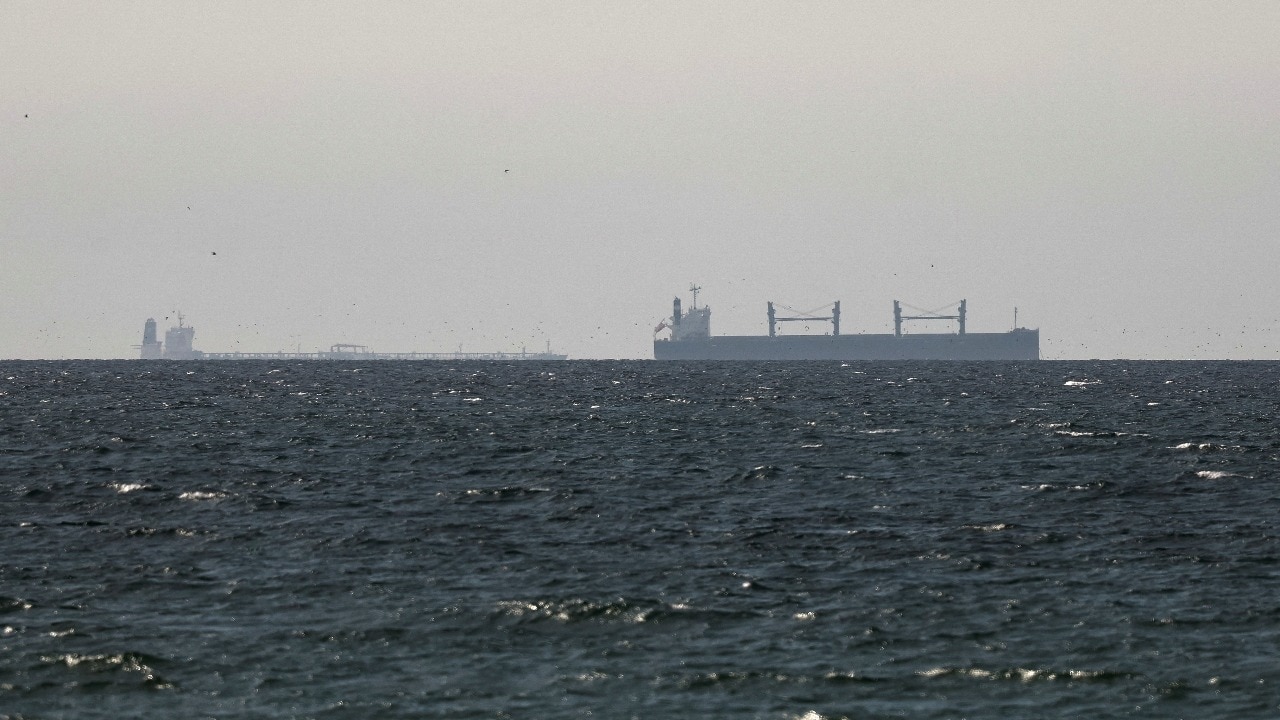
The strategic waterways of the Persian Gulf, long a crucible of global energy politics, witnessed a dramatic escalation this week as a Chinese-owned oil tanker, the Rich Starry, was forced to retreat from a US-imposed blockade. The vessel, already under US sanctions, reversed its course back towards the Strait of Hormuz on Wednesday, shipping data confirmed, after an unsuccessful attempt to navigate through the US naval cordon specifically targeting ships that have called at Iranian ports. This incident, occurring on the first day of the intensified US blockade, underscores the volatile nature of the region and the intricate web of international relations at play.
The Rich Starry's aborted journey is more than just a shipping anomaly; it is a potent symbol of the ongoing 'maximum pressure' campaign waged by the United States against Iran. This campaign, initiated by the Trump administration, seeks to cripple Iran's economy by severely restricting its oil exports and access to global financial systems. The US believes that by cutting off Iran's primary source of revenue, it can compel Tehran to renegotiate the 2015 nuclear deal (Joint Comprehensive Plan of Action - JCPOA) and cease its regional destabilizing activities. However, the effectiveness and humanitarian impact of such a strategy remain subjects of intense debate among international policy experts.
The Anatomy of a Blockade: US Strategy and Enforcement
The US blockade is not a conventional military siege but a sophisticated application of economic and naval power. It involves the deployment of US Navy assets, including destroyers, to monitor maritime traffic in critical choke points like the Gulf of Oman and the Strait of Hormuz. On Tuesday, the first day of the heightened enforcement, a US official confirmed that a destroyer successfully intercepted two oil tankers attempting to depart from the Iranian port of Chabahar on the Gulf of Oman. While direct military confrontation is generally avoided, the presence of US naval vessels acts as a deterrent, signaling a clear intent to enforce sanctions. Vessels found to be in violation face severe penalties, including seizure, hefty fines, and blacklisting, making it exceedingly difficult for them to operate in international waters or secure insurance.
For shipping companies, the risks are immense. The prospect of losing access to global markets, having assets frozen, or facing criminal charges is a powerful disincentive. The Rich Starry, already on a US sanctions list, was operating under a heightened level of scrutiny. Its attempt to navigate the blockade was a test of resolve, both for the vessel's operators and for the US enforcement mechanism. Its subsequent retreat demonstrates the immediate efficacy of the US's enhanced interdiction efforts, at least in this instance. The broader implications, however, extend far beyond a single ship's itinerary.
China's Delicate Balancing Act and Global Repercussions
China's involvement in this incident adds another layer of complexity. As the world's largest oil importer and a significant trading partner for Iran, Beijing finds itself in a precarious position. On one hand, China has consistently opposed unilateral sanctions and has advocated for dialogue and adherence to international law. On the other hand, Chinese entities are deeply integrated into the global financial system and cannot easily disregard US sanctions without facing severe repercussions. The Rich Starry's ownership by a Chinese entity highlights the tightrope walk Beijing is performing – attempting to maintain its economic interests and diplomatic principles while navigating the powerful reach of US extraterritorial sanctions.
This situation also has broader implications for global energy markets and international shipping. The Strait of Hormuz is the world's most important oil transit chokepoint, with approximately 20% of the world's petroleum liquids passing through it daily. Any disruption, perceived or real, can send shockwaves through global oil prices. The US blockade, while aimed at Iran, inevitably impacts the operational calculus of all shipping companies traversing the region, leading to increased insurance premiums, longer routes, and higher costs, which ultimately trickle down to consumers worldwide. Furthermore, it tests the limits of international maritime law and the sovereignty of nations to engage in trade free from external coercion.
Historical Context and Future Outlook
The current standoff is not without historical precedent. The Persian Gulf has been a focal point of geopolitical rivalries for decades, from the Iran-Iraq War's 'Tanker War' to various US naval deployments aimed at safeguarding oil flows. The current situation, however, is unique in its focus on economic strangulation as a primary tool of foreign policy, coupled with a highly sophisticated global surveillance and enforcement apparatus. The US's withdrawal from the JCPOA in 2018 and the subsequent re-imposition of sanctions set the stage for this renewed confrontation, pushing Iran's economy to the brink and fueling regional instability.
Looking ahead, the Rich Starry incident serves as a stark reminder of the challenges facing international diplomacy and trade. Will this successful interdiction embolden the US to further tighten its grip, or will it provoke a more defiant response from Iran and its allies? The possibility of a miscalculation or an unintended escalation remains a significant concern. Analysts suggest that while the US blockade may achieve short-term successes in reducing Iranian oil exports, it risks alienating allies, exacerbating humanitarian crises, and potentially pushing Iran closer to adversaries. The long-term efficacy of 'maximum pressure' hinges not just on its ability to inflict economic pain but on its capacity to alter Iran's strategic calculus without triggering a broader conflict. The world watches with bated breath as the drama unfolds in these vital, contested waters, with the fate of global energy security and regional stability hanging in the balance.
Stay Informed
Get the world's most important stories delivered to your inbox.
No spam, unsubscribe anytime.
Comments
No comments yet. Be the first to share your thoughts!