SGX's Push for Transparency: Why Tighter Disclosure Rules are a Game Changer for Singaporean Markets
The Singapore Exchange (SGX) is proposing significant enhancements to disclosure requirements for listed firms, focusing on executive pay, dividend policies, and investor relations. While some fear the burden on smaller companies, experts argue these measures are crucial for market integrity and attracting global capital. This move aims to elevate Singapore's corporate governance standards, aligning them with international best practices and fostering greater investor confidence.
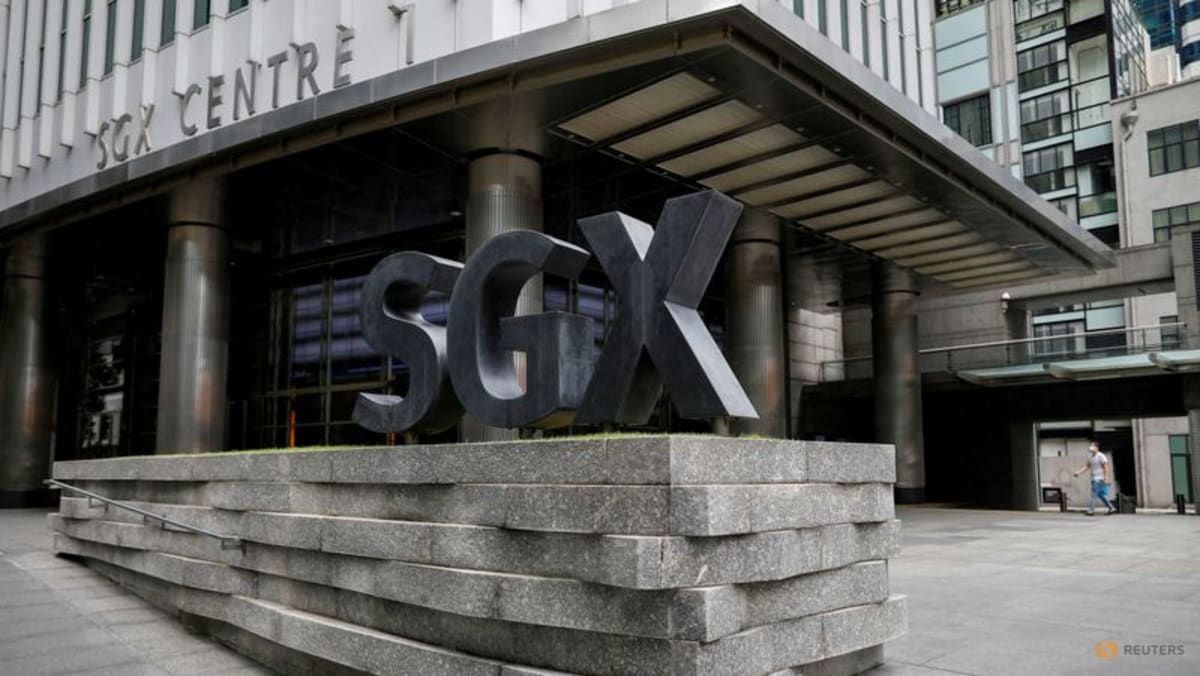
In the dynamic landscape of global finance, transparency and robust corporate governance are not just buzzwords; they are foundational pillars for market integrity and investor confidence. The Singapore Exchange (SGX) is poised to significantly strengthen these pillars with proposed enhancements to its disclosure requirements, a move that has ignited debate but is largely seen by market observers as a timely and necessary evolution.
At the heart of the proposed changes are tighter rules concerning how listed companies disclose senior management and board remuneration, their dividend policies, and their commitment to coherent investor relations practices. This initiative comes amidst a global push for greater corporate accountability and a desire to position Singapore as a leading financial hub renowned for its high governance standards.
The Rationale Behind Enhanced Disclosure
The impetus for these stricter rules stems from a confluence of factors. Firstly, there's a growing expectation from institutional and retail investors alike for clearer insights into how executive pay is determined and whether it aligns with company performance and shareholder interests. The opaque nature of some remuneration structures has historically led to concerns about potential conflicts of interest and a lack of accountability. By mandating more granular disclosure, the SGX aims to empower shareholders with the information needed to make informed decisions and hold boards accountable.
Secondly, dividend policies are a critical component of a company's value proposition, particularly for income-focused investors. Inconsistent or poorly communicated dividend strategies can create uncertainty and deter investment. The proposed rules seek to ensure that companies articulate their dividend policies clearly, providing a predictable framework that helps investors assess future returns and stability.
Finally, investor relations (IR) practices are the bedrock of a healthy relationship between a company and its shareholders. Effective IR goes beyond mere compliance; it involves proactive communication, timely dissemination of information, and responsiveness to investor queries. The SGX's emphasis on coherent IR practices underscores the importance of maintaining an open dialogue, fostering trust, and ensuring that all market participants have equitable access to material information.
Addressing the 'Burden' Argument: A Historical Perspective
Critics of enhanced disclosure often raise concerns about the administrative burden these rules might impose, particularly on small and mid-cap (SMC) listed firms. The argument posits that smaller companies, with fewer resources, might struggle to comply, potentially stifling their growth or even deterring them from listing. However, as noted by former financial journalist Ven Sreenivasan, these are "oft-repeated arguments" that often lack substantive weight when weighed against the broader benefits of transparency.
Historically, every significant regulatory enhancement has faced similar pushback. Yet, experience shows that markets adapt, and companies, even smaller ones, find ways to integrate compliance into their operations. Furthermore, the long-term benefits of robust governance often outweigh the initial costs. A market perceived as transparent and well-regulated attracts more capital, lowers the cost of capital for companies, and enhances overall market liquidity and efficiency. For SMCs, demonstrating strong governance can differentiate them from competitors and make them more attractive to institutional investors who prioritize ethical and well-managed businesses.
Consider the evolution of corporate reporting standards globally. From the Sarbanes-Oxley Act in the US following corporate scandals like Enron and WorldCom, to the UK's Combined Code on Corporate Governance, the trend has consistently been towards greater transparency. Singapore, as a sophisticated financial center, cannot afford to lag behind. Its reputation as a safe and reliable investment destination hinges on its ability to maintain and continually elevate its governance framework.
Global Alignment and Competitive Advantage
The SGX's move aligns Singapore with international best practices and positions it competitively against other major financial hubs. Jurisdictions like Hong Kong, London, and New York have long had stringent disclosure requirements, and investors increasingly expect a consistent level of transparency across markets. By adopting higher standards, Singapore enhances its appeal to international investors who are increasingly focused on Environmental, Social, and Governance (ESG) factors. Strong governance, including transparent remuneration and dividend policies, is a core component of the 'G' in ESG.
Moreover, the proposed changes are not merely about compliance; they are about fostering a culture of accountability and long-term value creation. Companies that embrace these principles are often better managed, more resilient, and ultimately more attractive to a broader base of investors. This can lead to higher valuations and a more stable shareholder base.
The Role of Shareholders and the Future Landscape
The public consultation process initiated by the SGX is a crucial step, allowing various stakeholders – including listed companies, investors, and industry associations – to provide feedback. This collaborative approach ensures that the final rules are practical, effective, and strike the right balance between regulatory rigor and commercial viability. It also highlights the SGX's commitment to an inclusive regulatory development process.
For shareholders, these new rules represent a significant empowerment. With more detailed information on executive pay, they can better assess whether management incentives are aligned with long-term shareholder value. Clearer dividend policies will aid in financial planning and investment strategy. The enhanced focus on investor relations will ensure that companies are more responsive and transparent in their communications.
Looking ahead, the implementation of these tighter disclosure rules is expected to usher in a new era of corporate governance in Singapore. While there might be an initial adjustment period for some companies, the long-term benefits for the market as a whole are undeniable. A more transparent, accountable, and well-governed market will not only attract greater capital but also foster a stronger, more resilient economy. This move by the SGX is not just a regulatory update; it's a strategic investment in Singapore's future as a premier global financial center, ensuring its continued relevance and attractiveness in an ever-evolving investment landscape.
Stay Informed
Get the world's most important stories delivered to your inbox.
No spam, unsubscribe anytime.
Comments
No comments yet. Be the first to share your thoughts!