South African Airways: The Perpetual Bailout Saga and Governance Crisis
South African Airways (SAA) is once again on the brink of requiring a significant taxpayer-funded bailout, despite recent claims of financial stability. Analysts and insiders reveal that the airline remains deeply unprofitable, raising serious questions about its long-term viability and the effectiveness of its restructuring efforts. This looming crisis highlights persistent governance issues and the heavy burden SAA places on the national fiscus, sparking public outrage and calls for decisive action.
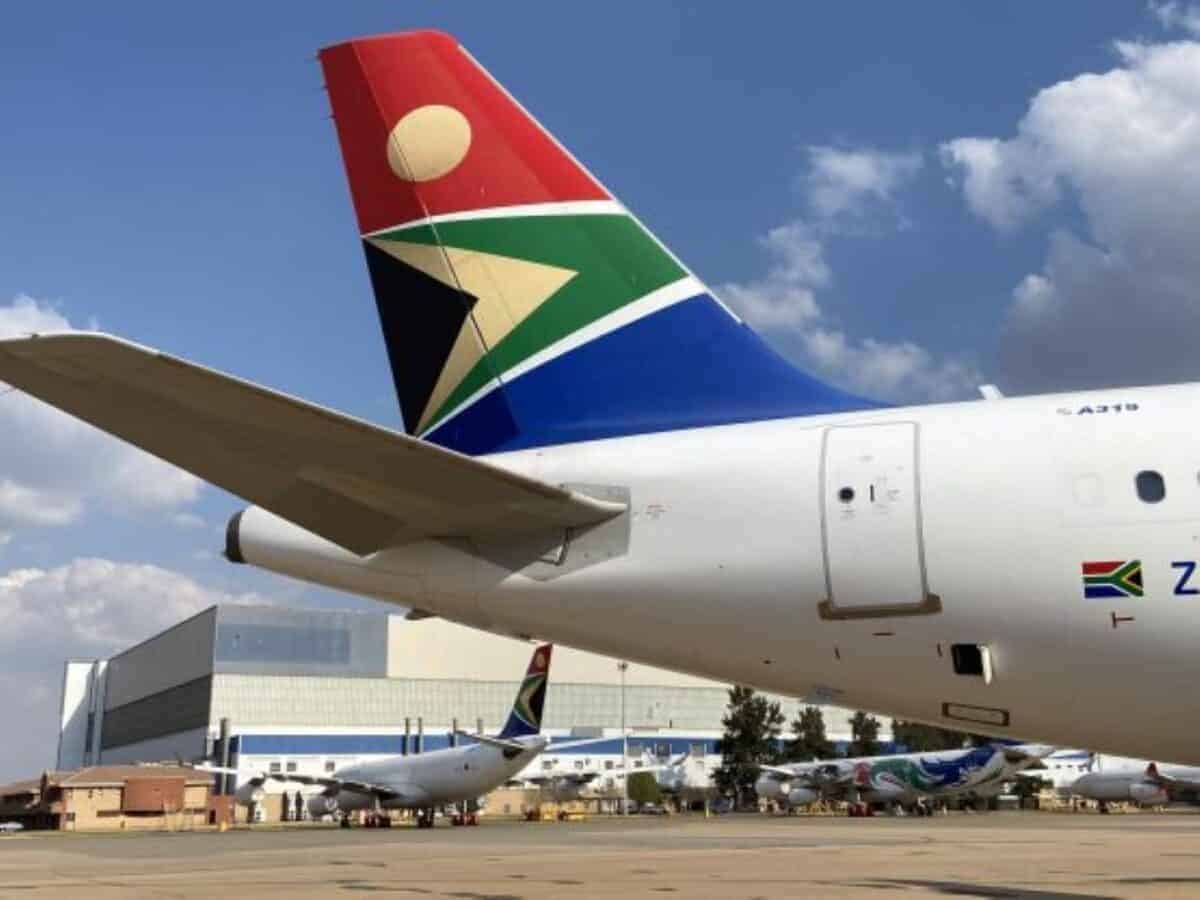
The specter of another taxpayer-funded bailout hangs heavy over South African Airways (SAA), threatening to plunge the national carrier deeper into financial uncertainty and further erode public trust. Despite recent assurances from government officials and a significant capital injection just last year, sources close to the airline indicate that SAA could require fresh funding as early as May. This development reignites a long-standing debate about the airline's sustainability, its governance, and the seemingly endless drain on the national fiscus.
A Troubled History: Decades of Dependence
SAA's financial woes are not a new phenomenon; they are a chronic condition that has plagued the airline for decades. Since 1994, the South African government has poured an estimated R50 billion into SAA, making it one of the most heavily subsidized state-owned enterprises. These bailouts have been justified as necessary to maintain a strategic national asset, preserve jobs, and ensure air connectivity. However, critics argue that these interventions have merely propped up a fundamentally flawed business model, delaying the inevitable and preventing genuine reform. The airline has consistently failed to generate sufficient revenue to cover its operational costs, let alone invest in fleet modernization or route expansion, without state assistance.
In 2020, SAA entered business rescue, a process intended to restructure the airline and make it commercially viable. This led to a significant reduction in its workforce, a streamlined route network, and the sale of non-core assets. The government also committed to a R10.5 billion bailout package to implement the business rescue plan and settle outstanding debts. Following this, the airline relaunched in September 2021, promising a new era of profitability and efficiency. Yet, less than two years later, the same old problems appear to be resurfacing.
The Latest Financial Quagmire: Denials and Discrepancies
The current crisis was brought into sharp focus by a recent statement from Transport Minister Barbara Creecy, who denied that a R1 billion share sale to the Takatso Consortium constituted a bailout. She asserted that the transaction was part of a strategic equity partnership aimed at injecting private capital and expertise into the airline. However, this denial rings hollow for many analysts who view any state-backed financial injection, regardless of its nomenclature, as a continuation of the bailout cycle.
Industry insiders paint a grim picture. A source close to SAA, speaking anonymously to The Citizen, revealed that the airline's financial situation remains precarious, with funding potentially needed within months. This contradicts the narrative of a revitalized, self-sufficient SAA. Even with a zero debt burden – a key outcome of the business rescue process – analysts like Professor Alex van den Heever from Wits University's Public Finance Unit contend that SAA is still a loss-making entity. "The airline is still loss-making, it has zero debt, but it is still loss-making," Van den Heever stated, emphasizing the fundamental operational inefficiencies that continue to plague the carrier.
This persistent unprofitability, even without the burden of historical debt, suggests that the core issues of high operating costs, inefficient management, and intense competition have not been adequately addressed. The business rescue plan, while providing a temporary reprieve, appears to have failed to instill long-term financial discipline or a sustainable competitive strategy.
Governance Crisis: A Root Cause?
At the heart of SAA's perpetual struggles lies a deep-seated governance crisis. Critics point to a history of political interference, mismanagement, and a lack of accountability as key drivers of the airline's decline. Board appointments have often been perceived as politically motivated rather than merit-based, leading to a revolving door of leadership and a lack of consistent strategic direction. Furthermore, allegations of corruption and irregular expenditure have frequently marred the airline's reputation, further eroding public trust and diverting resources that could have been used for operational improvements.
The proposed strategic equity partnership with the Takatso Consortium, which involves the government retaining a 49% stake, was heralded as a solution to these governance issues, promising private sector discipline and a move away from state dependency. However, the slow pace of the deal's finalization and the continued need for government support raise questions about the consortium's ability to truly transform the airline without fundamental changes to its operating environment and political oversight.
Implications for the South African Economy and Taxpayers
Another bailout for SAA would have significant implications for the already strained South African economy and its taxpayers. The country faces numerous socio-economic challenges, including high unemployment, poverty, and inadequate public services. Every rand diverted to SAA is a rand that cannot be spent on critical sectors like education, healthcare, or infrastructure development. This opportunity cost is immense and directly impacts the lives of ordinary citizens.
Moreover, the continuous bailouts send a negative signal to investors about the government's fiscal discipline and its commitment to market-oriented reforms for state-owned enterprises. It perpetuates a cycle of dependency and moral hazard, where poor performance is rewarded with state intervention rather than accountability. The burden of SAA's losses ultimately falls on the taxpayers, who are forced to subsidize an airline that provides limited direct benefit to the majority of the population.
The Way Forward: Tough Choices Ahead
The path forward for SAA is fraught with difficult decisions. Continuing the cycle of bailouts is unsustainable and politically unpalatable. Alternatives include:
* Full Privatization: Selling the government's remaining stake to a private entity, allowing market forces to dictate the airline's future without state interference. * Liquidation: Allowing the airline to cease operations, freeing up resources and ending the financial drain, albeit with significant job losses. * Radical Restructuring: Implementing a truly independent, commercially focused management team with a mandate to achieve profitability, even if it means further downsizing or forming new strategic alliances.
For PulseWorld, the SAA saga is a microcosm of broader challenges facing state-owned enterprises in developing economies. It underscores the tension between national strategic interests and economic realities, and the critical importance of good governance, transparency, and accountability. Without a decisive break from its past, SAA risks remaining a perpetual burden, a symbol of missed opportunities and unfulfilled potential. The coming months will reveal whether South Africa is prepared to make the tough choices necessary to finally chart a sustainable course for its national airline, or if it will continue down the familiar path of endless bailouts and deepening crisis.
Stay Informed
Get the world's most important stories delivered to your inbox.
No spam, unsubscribe anytime.
Comments
No comments yet. Be the first to share your thoughts!