Strait of Hormuz on Edge: US-Israel Pressure Mounts as Iran Nuclear Deal Falters
Amid escalating tensions in the Strait of Hormuz, the fragile Iran nuclear deal faces imminent collapse. Reports indicate Israel is urging the US to target Iran's energy infrastructure, signaling a significant shift in diplomatic strategy. Both nations are locked in contradictory narratives, raising fears of broader regional conflict and global economic instability.
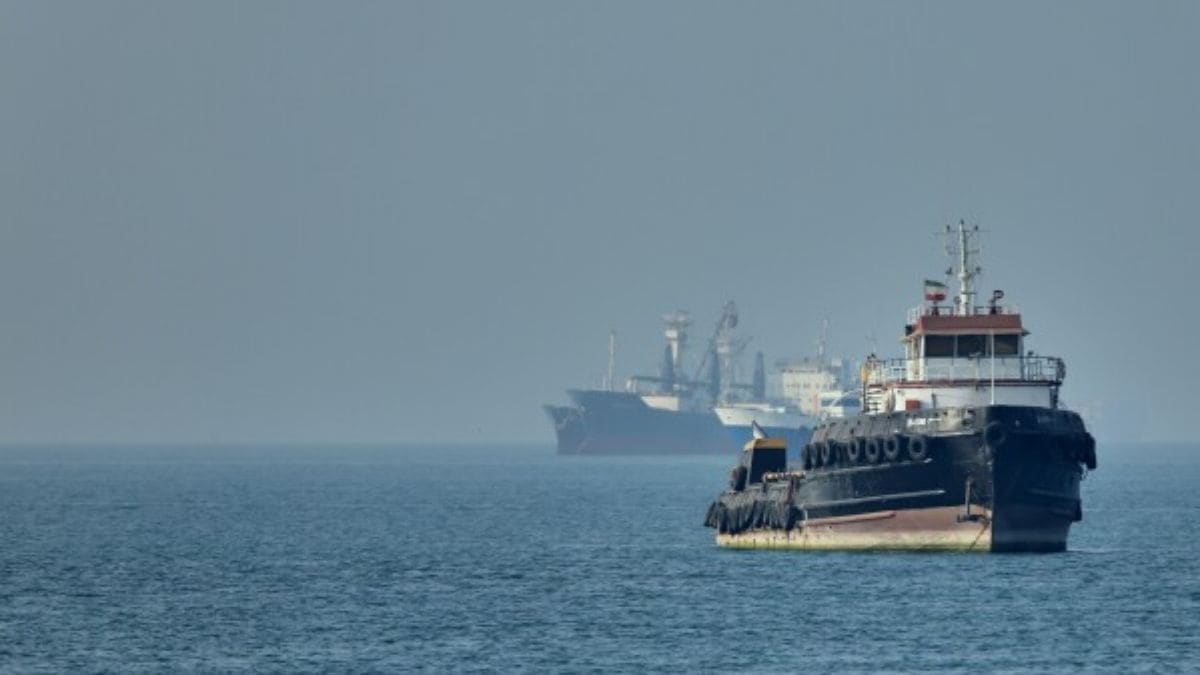
The Strait of Hormuz, a vital artery for global oil shipments, finds itself once again at the epicenter of a geopolitical storm. As tensions between the United States, Israel, and Iran reach a fever pitch, the delicate framework of the Iran nuclear deal, formally known as the Joint Comprehensive Plan of Action (JCPOA), appears on the brink of complete unraveling. Recent reports suggest that Israel is intensely lobbying the U.S. to consider a more aggressive stance, specifically targeting Iran's critical energy infrastructure, a move that could dramatically escalate the already volatile situation.
For weeks, the region has been gripped by a series of incidents, including alleged attacks on tankers and heightened military posturing, all set against a backdrop of conflicting narratives from Washington and Tehran. While U.S. officials initially expressed hope for a diplomatic resolution, the persistent calls from allies like Israel for a harder line underscore the profound challenges in de-escalating the crisis. The potential targeting of Iran's energy sector, a cornerstone of its economy, would mark a significant departure from previous strategies and could trigger unpredictable consequences across the Middle East and beyond.
The Crumbling Pillars of the JCPOA
The Iran nuclear deal, signed in 2015, was hailed as a landmark achievement in international diplomacy, designed to prevent Iran from developing nuclear weapons in exchange for sanctions relief. However, its foundations have been steadily eroding since the U.S. withdrew from the agreement in 2018 under the Trump administration, reimposing stringent sanctions. This move was met with Iran's gradual rollback of its commitments, including increasing uranium enrichment levels and limiting international inspections. The current administration has attempted to revive the deal, but progress has been painstakingly slow, often stalled by Iran's demands and the deepening distrust between all parties.
Israel's proactive stance in advocating for strikes on Iranian energy assets reflects its long-held conviction that the JCPOA was fundamentally flawed and that Iran poses an existential threat. Israeli leaders have consistently argued that Iran uses sanctions relief to fund proxy groups and advance its ballistic missile program, rather than adhering to the spirit of the nuclear agreement. This perspective often places Israel at odds with the U.S. State Department's more cautious approach, yet it carries significant weight given the close strategic alliance between the two nations. The current push suggests a growing impatience within Israeli leadership regarding the pace of diplomacy and a desire for more decisive action.
The Strait of Hormuz: A Chokepoint Under Pressure
The Strait of Hormuz, a narrow waterway connecting the Persian Gulf to the open ocean, is arguably the world's most critical oil transit chokepoint. Approximately 20% of the world's total petroleum liquids consumption and a significant portion of global liquefied natural gas (LNG) passes through this strait daily. Any disruption, whether due to military confrontation, sabotage, or even heightened rhetoric, sends immediate ripples through global energy markets, leading to price spikes and economic uncertainty.
Recent incidents, including drone attacks, seizures of commercial vessels, and naval exercises, have underscored the fragility of maritime security in the region. Iran views the Strait as a strategic asset, a leverage point it can use to respond to perceived aggressions or to pressure international powers. Its revolutionary guard routinely conducts exercises in the area, often demonstrating capabilities that could threaten commercial shipping. The U.S., in turn, maintains a significant naval presence, including the Fifth Fleet, explicitly tasked with ensuring freedom of navigation and deterring hostile actions. This constant military presence, while intended to stabilize, also creates a high-stakes environment where miscalculation could have catastrophic consequences.
Economic Fallout and Geopolitical Implications
The potential targeting of Iran's energy infrastructure, as reportedly urged by Israel, would have profound economic and geopolitical ramifications. Iran's oil and gas sector is the backbone of its economy, and any direct attack would cripple its ability to generate revenue, potentially leading to internal instability. However, it would also almost certainly provoke a strong retaliatory response from Tehran, possibly involving further disruptions in the Strait of Hormuz, cyberattacks, or actions by its regional proxies.
Economically, the immediate impact would be a surge in global oil prices, affecting consumers and industries worldwide. Supply chain disruptions, already fragile from recent global events, would be exacerbated. For the U.S. and its allies, such an action would also test international alliances, potentially alienating nations that advocate for diplomacy and further isolating Iran, making future negotiations even more challenging. The European Union, a staunch supporter of the JCPOA, would find itself in an increasingly difficult position, caught between its desire to preserve the agreement and its alliance with the U.S.
The Path Forward: Diplomacy or Confrontation?
The current trajectory suggests a dangerous escalation, with both sides seemingly entrenched in their positions. For the U.S., balancing its strategic interests, its commitment to allies like Israel, and its desire to prevent nuclear proliferation is a complex challenge. The administration faces pressure to demonstrate strength while avoiding a full-blown military conflict that could destabilize the entire region.
Expert analysis suggests that a multi-pronged approach is necessary. This includes maintaining robust diplomatic channels, even amid heightened tensions, to prevent miscalculations. Simultaneously, a credible deterrent posture is essential to discourage aggressive actions. The international community, including major powers like China and Russia, also has a critical role to play in de-escalating the situation and encouraging all parties to return to the negotiating table. The alternative – a direct confrontation involving strikes on energy infrastructure – risks plunging the region into a wider conflict with devastating human and economic costs that would reverberate globally for years to come. The world watches with bated breath as the fate of the Iran deal, and potentially regional peace, hangs in the balance.
Stay Informed
Get the world's most important stories delivered to your inbox.
No spam, unsubscribe anytime.
Comments
No comments yet. Be the first to share your thoughts!