Strategy Gaming's Golden Age: How a Niche Genre Conquered the Last Decade
The past decade has witnessed an unprecedented boom in strategy gaming, transforming it from a niche pursuit into a global phenomenon. This article explores the key titles, innovations, and cultural shifts that propelled strategy games to the forefront of the gaming industry, examining their impact on design, sales, and player engagement. From complex grand strategy epics to accessible real-time tactics, we delve into the reasons behind their enduring appeal and look ahead to what the future holds.
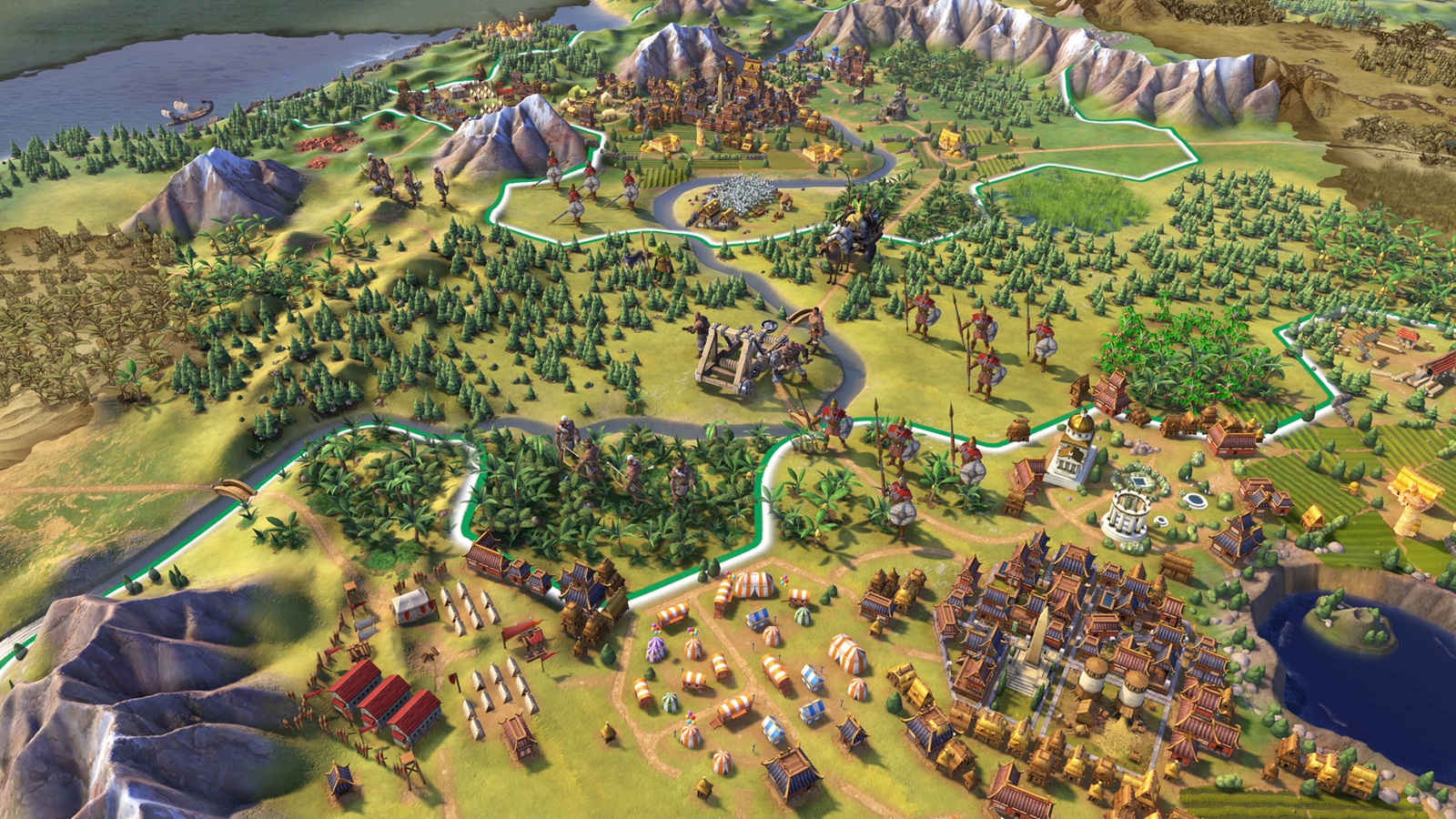
In the dynamic landscape of video games, few genres have experienced as dramatic and influential a transformation as strategy gaming over the past ten years. What was once considered a niche pursuit, often relegated to the hardcore PC enthusiast, has exploded into a mainstream success story, consistently topping sales charts, garnering critical acclaim, and fundamentally reshaping the interactive entertainment industry. As we approach 2026, marking a decade since this resurgence truly took hold, it's an opportune moment to reflect on the golden age of strategy games and the factors that propelled them to unprecedented heights.
The Dawn of a New Era: From Niche to Mainstream
The period between 2016 and 2026 can be unequivocally labeled as the renaissance of strategy gaming. Prior to this, while beloved, the genre often struggled to break out of its established fan base. Complex interfaces, steep learning curves, and perceived lack of action often deterred casual players. However, a confluence of factors began to shift this paradigm. Developers started to refine user experiences, making intricate mechanics more intuitive without sacrificing depth. The rise of streaming platforms like Twitch and YouTube also played a pivotal role, allowing new audiences to witness the strategic brilliance and emergent narratives these games offered, demystifying their complexity and showcasing their entertainment value.
Key titles from the early part of this decade laid the groundwork. Games that successfully blended accessibility with profound strategic depth, often incorporating elements of role-playing or narrative storytelling, began to capture wider attention. This wasn't merely about graphical fidelity, though improvements certainly helped; it was about intelligent design that respected player intelligence while gently guiding them into complex systems. The democratization of game development tools also allowed smaller, independent studios to experiment with innovative concepts, leading to a diverse array of strategy titles that catered to different tastes, from turn-based tactics to real-time grand strategy.
Pillars of Power: Defining Games of the Decade
No discussion of this era would be complete without acknowledging the titans that defined it. While specific titles are too numerous to list exhaustively, several categories and examples stand out:
* Grand Strategy Epics: Games that put players in control of entire nations, empires, or even galaxies, managing diplomacy, warfare, economics, and culture across vast timelines. These titles often boast incredible replayability due to their emergent storytelling and complex simulation. Their ability to generate unique historical narratives within each playthrough became a significant draw. * Real-Time Strategy (RTS) Reimagined: While traditional RTS saw some challenges, innovative approaches breathed new life into the genre. Focus shifted from pure APM (actions per minute) to tactical decision-making, unit synergy, and environmental interaction. Some games successfully integrated city-building or resource management in novel ways, appealing to a broader audience. * Turn-Based Tactical Masterpieces: This subgenre saw a massive resurgence, often characterized by intricate combat systems, character progression, and strong narrative elements. The slower pace allowed for deeper tactical thought, making them highly engaging for players who preferred meticulous planning over rapid execution. The success of these titles proved that thoughtful, deliberate gameplay could be just as thrilling as fast-paced action. * 4X Games (eXplore, eXpand, eXploit, eXterminate): These games, often overlapping with grand strategy, continued to evolve, offering more nuanced diplomatic options, diverse victory conditions, and highly customizable experiences. Their appeal lies in the feeling of building and guiding a civilization from humble beginnings to galactic dominance.
These games weren't just commercial successes; they became cultural touchstones, fostering vibrant online communities, competitive esports scenes, and a wealth of user-generated content, further cementing their place in gaming history.
Innovation and Influence: Beyond the Game Itself
The impact of strategy games extended far beyond their individual sales figures. Their success spurred innovation across the entire gaming industry. Other genres began to incorporate strategic elements, from tactical combat in RPGs to resource management in survival games. The emphasis on player choice, consequence, and emergent narrative—hallmarks of strategy games—became desirable features in almost all game types.
Furthermore, the genre's ability to simulate complex systems and historical scenarios has even found applications outside entertainment. Educational institutions and military strategists have increasingly looked to these games as tools for understanding complex dynamics and fostering critical thinking. The analytical skills honed by managing an empire or leading a tactical squad have a surprising degree of transferability to real-world problem-solving.
From a business perspective, the longevity and profitability of strategy games became undeniable. Many titles embraced a 'games as a service' model, offering continuous updates, expansions, and community engagement years after their initial release. This not only provided sustained revenue streams for developers but also kept player communities active and invested, ensuring a continuous cycle of innovation and engagement.
The Future of Strategic Dominance
As we look ahead, the trajectory for strategy games remains incredibly positive. The foundations laid over the last decade suggest a future where the genre continues to diversify and innovate. We can anticipate:
* Increased Cross-Platform Accessibility: While PC remains the spiritual home, more strategy games are successfully adapting to consoles and even mobile, reaching an even wider audience. * AI Advancements: More sophisticated AI opponents and allies will offer deeper, more challenging, and less predictable gameplay experiences. * Integration of New Technologies: Virtual Reality (VR) and Augmented Reality (AR) could offer entirely new interfaces and immersion levels for strategic gameplay, though challenges remain. * Narrative Evolution: Expect even more compelling stories, both pre-written and emergent, that weave seamlessly into strategic gameplay, blurring the lines between genres. * Community-Driven Development: The power of modding communities and player feedback will continue to shape and extend the life of strategy titles.
The last decade has proven that strategy games are not just about numbers and units; they are about mastery, creativity, and the thrill of overcoming complex challenges. They offer a unique blend of intellectual stimulation and entertainment, appealing to a fundamental human desire to plan, build, and conquer. As Strategy and Wargaming celebrates its 10th anniversary in 2026, it does so amidst a genre that has not only survived but thrived, cementing its legacy as a cornerstone of modern gaming and promising an even brighter future.
Stay Informed
Get the world's most important stories delivered to your inbox.
No spam, unsubscribe anytime.
Comments
No comments yet. Be the first to share your thoughts!