The $2 Million Blueprint: Can AI Democratize Anti-Aging Like Bryan Johnson's Project Blueprint?
Bryan Johnson's Project Blueprint, a $2 million annual quest for biological youth, has captivated and confounded the world. This article explores the ambitious attempt by a journalist to replicate Johnson's extreme anti-aging regimen for just $20 using ChatGPT, revealing surprising insights into the accessibility and efficacy of longevity science. We delve into the intersection of technology, health, and wealth, questioning whether AI can truly level the playing field in the pursuit of eternal youth.
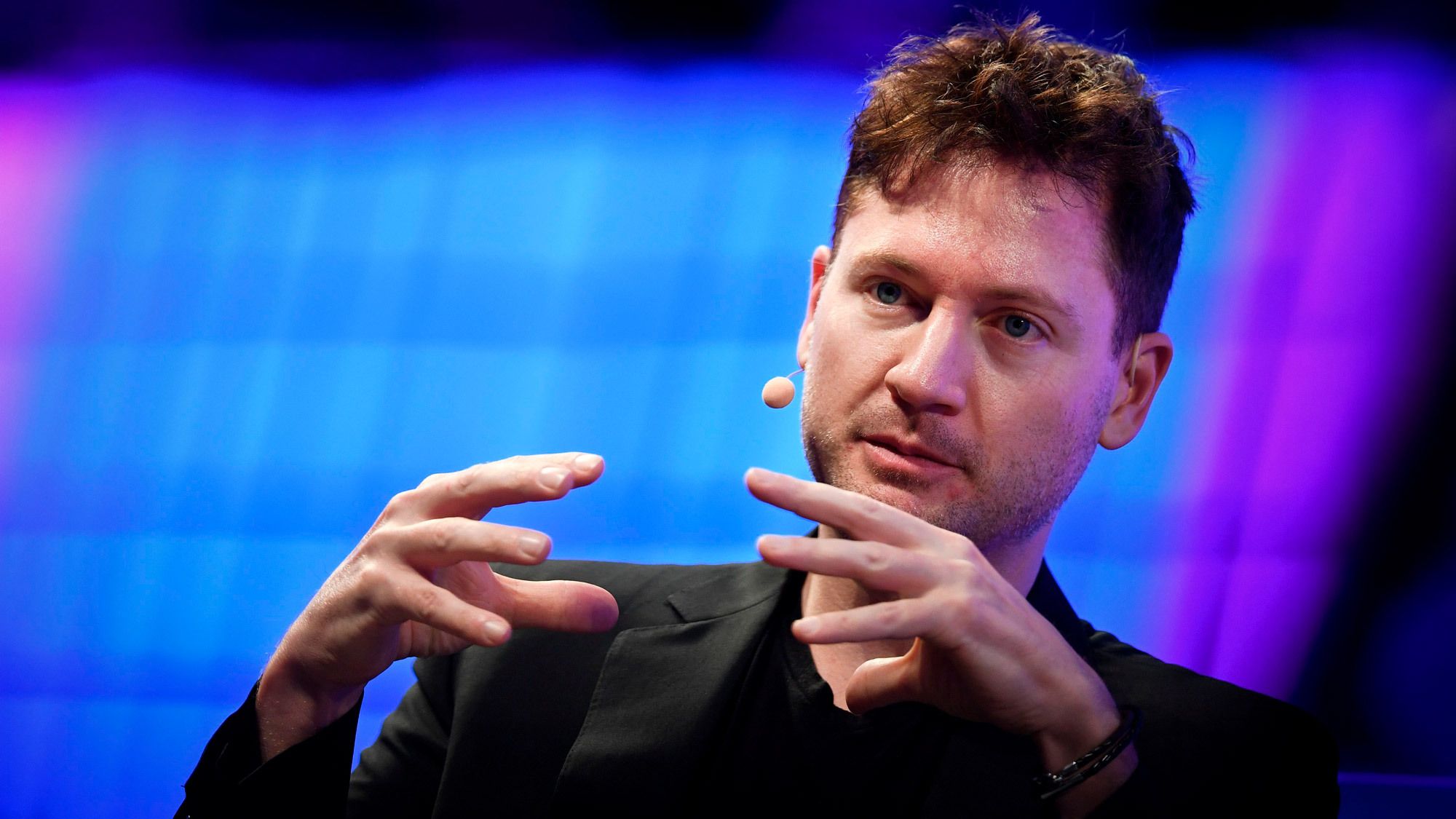
In an era where billionaires launch rockets into space and fund audacious projects to extend human life, Bryan Johnson stands out. The 48-year-old tech centimillionaire has become the unlikely face of Project Blueprint, an extreme, data-driven regimen costing an estimated $2 million annually to reverse his biological age. Johnson's daily routine is a symphony of precise measurements, bespoke diets, rigorous exercise, and a cocktail of supplements, all orchestrated by a team of over 30 medical professionals. His goal isn't just to live longer, but to achieve the biological markers of an 18-year-old, striving for 'optimal' organ function, from his heart to his skin.
Johnson's endeavor, while fascinating, is undeniably out of reach for 99.9% of the global population. This stark reality prompted a journalist to ask a provocative question: Could artificial intelligence, specifically ChatGPT, democratize this pursuit of longevity? The challenge was to distill Johnson's multi-million-dollar routine into a $20 budget, using AI as the primary guide. The results offer a compelling glimpse into the future of personalized health and the enduring allure of defying aging.
The Genesis of Project Blueprint: A Quest for Biological Reversal
Bryan Johnson's journey began not from a place of vanity, but from a profound personal crisis. After selling his company Braintree for $800 million, he found himself grappling with depression and burnout, despite his immense financial success. This led him to confront his own mortality and the deterioration of his body. Project Blueprint emerged as his radical solution: a systematic, scientific approach to reverse the aging process. His team monitors over 100 biomarkers, including internal organ speed, telomere length, and epigenetic age, using cutting-edge diagnostics and therapies. His diet is strictly vegan, comprising 1,977 calories daily, consumed within a tight six-hour window. His exercise regime is intense, and his sleep is meticulously managed, often involving wearing blue-light-blocking glasses for hours before bed.
Historically, the quest for immortality or extended youth has been a recurring theme in human civilization, from ancient alchemists seeking the elixir of life to modern-day Silicon Valley moguls investing billions in biotech. What sets Johnson apart is the unprecedented scale of data collection and intervention, treating his body as a meticulously engineered system. This approach, while controversial, has pushed the boundaries of what's considered possible in anti-aging science, inspiring both awe and skepticism.
ChatGPT's $20 Challenge: A Glimpse into AI-Driven Health
The journalist's experiment with ChatGPT aimed to replicate the essence of Project Blueprint without the exorbitant price tag. The AI was tasked with creating a budget-friendly anti-aging routine, focusing on accessible and affordable interventions. The results were surprisingly insightful, highlighting the power of foundational health practices that often get overshadowed by high-tech solutions. ChatGPT's recommendations largely centered on:
* Dietary Adjustments: Emphasizing whole foods, plant-based options, and portion control, mirroring Johnson's vegan diet but with cheaper alternatives. It suggested seasonal fruits and vegetables, lentils, beans, and oats as staples. * Exercise Regimen: Recommending bodyweight exercises, walking, and running, accessible to anyone without gym memberships or expensive equipment. It stressed consistency and progressive overload. * Sleep Hygiene: Advocating for consistent sleep schedules, avoiding screens before bed, and creating a dark, cool sleep environment – practices that are free or low-cost. * Stress Reduction: Suggesting meditation, deep breathing exercises, and spending time in nature, all proven to impact longevity and well-being.
What worked best from ChatGPT's advice were the fundamental, universally applicable health principles. The AI successfully distilled complex longevity science into actionable, low-cost steps. The limitations, however, were evident in the absence of sophisticated biomarker tracking, personalized medical oversight, and access to advanced therapies – the very elements that make Johnson's Blueprint unique. The experiment underscored that while AI can provide excellent general guidance, it cannot replace the nuanced, individualized care of medical professionals or the precision of high-tech diagnostics.
The Surprising Overlaps and Stark Differences
Despite the vast financial disparity, the $20 ChatGPT routine shared some fundamental principles with Project Blueprint. Both emphasized a plant-heavy diet, regular physical activity, and meticulous sleep management. This convergence suggests that the core tenets of healthy aging are not exclusive to the ultra-wealthy. Lifestyle choices, regardless of budget, play a monumental role.
However, the differences are profound. Johnson's Blueprint is characterized by its obsessive data collection and constant iteration based on real-time biological feedback. He undergoes daily blood tests, MRI scans, and specialized treatments like plasma exchanges. The $20 routine, by contrast, relies on general knowledge and self-reported outcomes. While one aims for biological perfection through scientific intervention, the other focuses on maximizing health within severe financial constraints. The journalist noted that while they felt better and more energetic on the ChatGPT-guided routine, they couldn't quantify any biological age reversal – a key metric for Johnson.
This experiment highlights a crucial point: longevity science is a spectrum. On one end, you have the multi-million-dollar, highly personalized, data-intensive approach of Bryan Johnson. On the other, you have accessible, evidence-based lifestyle interventions that, while less precise, still yield significant health benefits. AI's role, as demonstrated, is currently more suited to the latter, acting as an intelligent, personalized coach for general well-being rather than a substitute for advanced medical diagnostics and treatments.
Implications for the Future of Health and Longevity
The implications of this experiment are far-reaching. As AI technology advances, its ability to process complex medical literature and generate personalized health advice will only improve. Imagine a future where AI-powered apps can analyze your dietary habits, exercise patterns, and even basic wearable data to provide tailored, affordable longevity recommendations. This could democratize access to health knowledge that was once confined to expensive clinics or elite circles.
However, it also raises ethical questions. How reliable is AI-generated health advice without human oversight? What are the risks of self-diagnosis and self-treatment based on algorithms? The experiment serves as a powerful reminder that while AI is a formidable tool, it is not a panacea. The human element – the expertise of doctors, the nuance of individual physiology, and the psychological aspects of health – remains indispensable.
Ultimately, Bryan Johnson's Project Blueprint and the ChatGPT $20 challenge represent two sides of the same coin: the universal human desire to live a longer, healthier life. While Johnson's path is a testament to what extreme wealth and scientific dedication can achieve, the journalist's experiment offers hope that the fundamental principles of longevity can be accessed and implemented by anyone, regardless of their bank account. The future of anti-aging may not be about replicating Bryan Johnson's exact routine, but about leveraging technology, including AI, to make the principles of healthy longevity accessible to all, bridging the gap between aspirational science and everyday reality. The journey towards a longer, healthier life is becoming less about exclusive access and more about informed choices, empowered by technology.
Stay Informed
Get the world's most important stories delivered to your inbox.
No spam, unsubscribe anytime.
Comments
No comments yet. Be the first to share your thoughts!