The Enduring Reign of the Fighter Jet: Why Missiles Can't Eclipse Air Superiority
Despite recent conflicts highlighting the power of ballistic missiles and drones, the notion of the fighter jet's demise is premature. This article explores why air power, particularly manned aircraft, remains indispensable for modern warfare, offering unparalleled flexibility and strategic depth. We delve into expert analysis on the unique capabilities of fighter jets that missiles simply cannot replicate, even in an era of advanced weaponry. Understanding this distinction is crucial for assessing global military strategies and future conflicts.
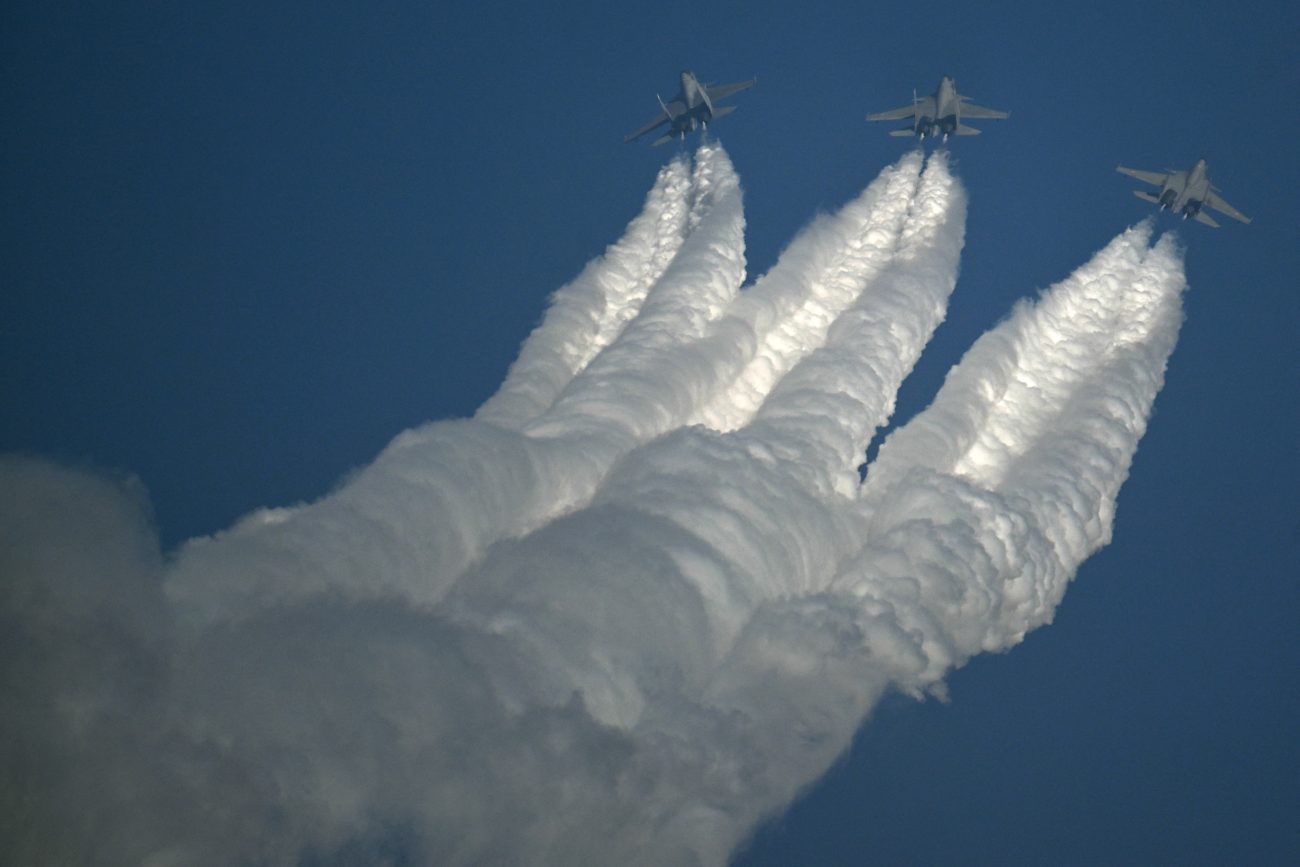
In an era increasingly defined by the proliferation of advanced missile systems and sophisticated drones, a compelling narrative has emerged suggesting the demise of the manned fighter jet. Recent conflicts, particularly those involving nations with less conventional air power, have seemingly underscored the effectiveness of asymmetric warfare tactics, relying heavily on ballistic missiles and kamikaze drones. The narrative posits that even nations with vastly inferior air forces can bring global superpowers to the negotiating table, challenging the long-held dogma of air superiority as the ultimate arbiter of conflict. However, this perspective, while provocative, overlooks critical nuances and enduring strategic imperatives that continue to cement the fighter jet's irreplaceable role in modern defense.
The Illusion of Obsolescence: Iran's Case Study
The source material alludes to Iran, a nation with a comparatively inferior air force and a depleted inventory of fighter aircraft, potentially forcing major powers like the USA and Israel to the negotiating table through its reliance on ballistic missiles and drones. This scenario, if taken at face value, could suggest a paradigm shift where traditional air power is rendered obsolete. However, military analysts, including former Indian Air Force (IAF) Air Marshals, offer a more nuanced view. They argue that while missile and drone strikes can inflict damage and create political leverage, they fundamentally lack the versatility, persistence, and precision of manned fighter aircraft in a sustained conflict scenario. A missile strike is a one-way, pre-programmed event; a fighter jet, piloted by a human, offers dynamic decision-making, adaptability, and multi-role capabilities that no automated system can fully replicate.
The Irreplaceable Edge of Manned Aircraft
What precisely makes the fighter jet indispensable? It boils down to several critical factors that missiles, regardless of their sophistication, cannot replicate:
* Dynamic Decision-Making and Adaptability: A human pilot can assess rapidly evolving situations, identify new targets, abort missions, or change tactics mid-flight based on real-time intelligence and visual confirmation. Missiles follow pre-determined trajectories and target data. While some advanced missiles have terminal guidance, they lack the cognitive flexibility of a human. * Persistent Presence and Reconnaissance: Fighter jets, especially multi-role aircraft, can loiter over target areas, provide persistent intelligence, surveillance, and reconnaissance (ISR), and conduct battle damage assessment. They can also provide close air support (CAS) to ground troops, responding to immediate needs. Missiles are fleeting instruments of destruction. * Multi-Role Capability: Modern fighter jets like the F-35 or Rafale are not just interceptors; they are sophisticated platforms capable of air-to-air combat, air-to-ground strike, electronic warfare, and reconnaissance. A single aircraft can perform multiple missions in one sortie, offering unparalleled strategic flexibility. Each missile, by contrast, is designed for a singular purpose. * Deterrence and Presence: The visible presence of fighter jets, whether patrolling airspace or conducting exercises, serves as a powerful deterrent. It projects power and signals commitment in a way that hidden missile batteries cannot. The ability to rapidly deploy air assets to a region is a cornerstone of power projection. * Precision and Collateral Damage Mitigation: While precision-guided munitions launched from aircraft are highly accurate, a pilot's ability to visually confirm targets and abort strikes if civilian presence is detected significantly reduces the risk of collateral damage. This ethical dimension is crucial in modern warfare and international relations.
The Strategic Limitations of Missiles and Drones
While the effectiveness of ballistic missiles and drones in specific contexts cannot be denied, their strategic limitations are equally apparent. Missiles, particularly ballistic missiles, are often expensive, have limited payloads, and are primarily effective against static, pre-identified targets. Their launch sites can be located and targeted, and they are susceptible to missile defense systems. Drones, while offering persistence and reduced risk to human life, are slower, more vulnerable to air defenses, and have limited payload capacity compared to manned aircraft. Their command and control links can also be jammed or exploited.
Moreover, the political and psychological impact of a missile strike, while significant, is often short-lived. It lacks the sustained pressure and control that air superiority provides. As one expert noted, a missile can destroy a building, but it cannot control airspace, protect ground troops, or conduct complex interdiction missions over extended periods.
The Evolution of Air Power, Not Its Extinction
The ongoing debate isn't about the extinction of the fighter jet but its evolution. The integration of fifth-generation fighters with advanced stealth, sensor fusion, and network-centric warfare capabilities demonstrates a continuous adaptation. These aircraft are designed to operate in highly contested environments, leveraging their technological superiority to maintain air dominance. Furthermore, future air forces envision a synergy between manned and unmanned platforms, where fighter jets act as command nodes for swarms of loyal wingman drones, enhancing their reach, survivability, and lethality.
Countries like the USA, Israel, and other major powers continue to invest heavily in next-generation fighter programs precisely because they understand that air superiority remains a prerequisite for success in almost every military operation. From establishing no-fly zones to conducting deep penetration strikes, from providing close air support to gathering critical intelligence, the fighter jet's role is multifaceted and deeply integrated into modern military doctrine.
Conclusion: Air Superiority Remains Paramount
The narrative suggesting that missiles and drones have rendered fighter jets obsolete is a dangerous oversimplification. While these weapons have undeniably altered the landscape of warfare, they complement, rather than replace, the unique capabilities of manned air power. The flexibility, adaptability, persistence, and multi-role nature of fighter jets ensure their continued relevance as the cornerstone of any effective military strategy. Nations that neglect investment in advanced air forces risk ceding a critical advantage that no amount of missile or drone technology can fully compensate for. The skies, it seems, will continue to be contested by the most advanced aircraft, piloted by humans, for the foreseeable future, underscoring that air superiority remains a non-negotiable element of national security and global power projection.
Stay Informed
Get the world's most important stories delivered to your inbox.
No spam, unsubscribe anytime.
Comments
No comments yet. Be the first to share your thoughts!