Trinidad's Graveyard Horror: The Unsettling Discovery of 50 Infant Bodies in Cumuto
A shocking discovery in Trinidad and Tobago has revealed the dumped remains of at least 50 infants and six adults at a graveyard in Cumuto. Police are investigating what they describe as a potential "unlawful disposal of unclaimed corpses," sparking national outrage and raising profound questions about public health protocols, social welfare, and the dignity of the deceased. This incident highlights systemic failures and calls for urgent reforms in how unclaimed bodies are handled.
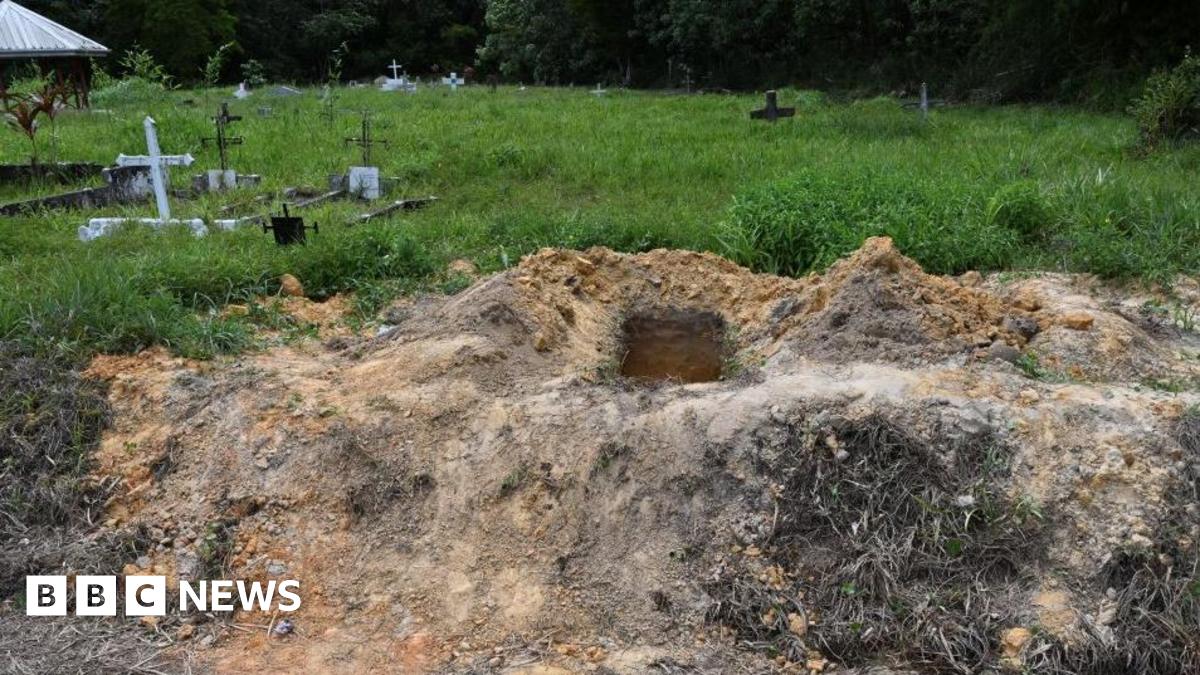
The tranquil, often overlooked corners of a graveyard are typically places of solemn remembrance, not sites of macabre discovery. Yet, in the quiet town of Cumuto, Trinidad and Tobago, a scene of profound horror has unfolded, shattering the nation's peace and sparking a deeply unsettling investigation. Authorities have confirmed the discovery of the dumped remains of at least 50 infants and six adults within the confines of a local cemetery, an incident that has sent shockwaves through the Caribbean nation and beyond.
This grim revelation, initially described by the Trinidad and Tobago Police Service (TTPS) as a potential case of "unlawful disposal of unclaimed corpses," points to a systemic failure that transcends mere negligence. It speaks to a deeper crisis in public health management, social welfare, and the fundamental respect accorded to human life, even in death. The sheer scale of the discovery – dozens of tiny, innocent lives discarded – demands immediate answers and comprehensive accountability.
The Unveiling of a National Tragedy
The initial reports from Cumuto, a town approximately 40 kilometers (25 miles) from the bustling capital, Port of Spain, were met with disbelief. Local residents, accustomed to the rhythmic pace of island life, found themselves grappling with a tragedy of unimaginable proportions. The TTPS statement, while brief, confirmed the horrifying details, setting in motion a complex and emotionally charged investigation. While the exact circumstances surrounding the dumping remain under intense scrutiny, the immediate focus is on identifying the bodies, understanding how they came to be in such a state, and pinpointing those responsible.
The discovery raises a multitude of urgent questions: Were these bodies from a public hospital, a morgue, or perhaps private institutions? Why were they unclaimed for so long, and what protocols, if any, were followed before their disposal? The term "unlawful disposal" suggests a deliberate act of circumventing established procedures, potentially driven by cost-cutting measures, overcrowding, or a shocking disregard for human dignity. For a nation that prides itself on its community spirit and cultural values, this incident represents a stark and painful contradiction.
Systemic Failures and the Vulnerable Deceased
The issue of unclaimed bodies is not unique to Trinidad and Tobago, but the scale and manner of this particular disposal highlight severe deficiencies. Public health systems globally often grapple with the challenge of managing bodies that are not claimed by relatives within a specified period. These can include individuals who die without identification, those whose families cannot afford burial costs, or infants born prematurely or stillborn whose parents may be unable or unwilling to claim them due to various socio-economic or personal reasons.
However, standard protocols for unclaimed bodies typically involve a respectful and documented process, often leading to burial in a pauper's grave or cremation, with records maintained for potential future identification. The dumping of bodies, particularly infants, in an undignified manner suggests a complete breakdown of these protocols. This could point to overwhelmed morgue facilities, inadequate funding for proper disposal, or even corruption and mismanagement within the institutions responsible. The implications are far-reaching, affecting not only the deceased and their potential families but also public trust in governmental and healthcare institutions.
Experts in public health and forensic science are likely to be brought in to assist with the investigation. The challenge of identifying infant remains, especially if they have been interred for some time without proper documentation, is immense. DNA analysis, dental records (if applicable), and careful forensic examination of any accompanying artifacts will be crucial. The emotional toll on investigators and the community will also be significant, as they confront the stark reality of so many lives ending in such a tragic and undignified manner.
A Call for Accountability and Reform
This incident has ignited a national conversation about the treatment of the deceased, particularly the most vulnerable. Civil society organizations, religious leaders, and the general public are demanding full transparency and swift justice. The focus will undoubtedly shift towards scrutinizing the policies and practices of public hospitals, morgues, and any private entities that handle human remains. Are there sufficient resources allocated for the respectful management of unclaimed bodies? Are existing laws and regulations being enforced effectively? Or are there gaps that allow such egregious acts to occur?
The government of Trinidad and Tobago faces immense pressure to not only resolve this specific case but also to implement comprehensive reforms to prevent future occurrences. This might include: * Auditing all public and private morgues and funeral homes for compliance with disposal protocols. * Reviewing and updating legislation pertaining to the management of unclaimed bodies. * Investing in improved infrastructure for morgue facilities and respectful burial options. * Establishing clearer guidelines and support systems for families unable to claim or afford the burial of their loved ones, especially infants.
The emotional and ethical dimensions of this tragedy cannot be overstated. Each infant represents a life, however brief, and each adult a member of the community. Their undignified disposal is a profound affront to human decency and the values of a compassionate society. The incident also casts a harsh light on the socio-economic conditions that might lead to bodies remaining unclaimed, hinting at deeper societal issues that require attention.
Moving Forward: Restoring Dignity and Trust
The investigation into the Cumuto graveyard discovery is expected to be protracted and complex. As forensic teams meticulously work to identify the remains and piece together the timeline of events, the nation grapples with the profound implications. This is more than just a criminal investigation; it is a moment of national introspection. It forces Trinidad and Tobago to confront uncomfortable truths about its public services, its social safety nets, and its commitment to upholding the dignity of every individual, from birth to death.
The ultimate goal must be to ensure that such a horror is never repeated. This means not only holding those responsible accountable but also implementing systemic changes that guarantee the respectful and lawful handling of all human remains. The memory of the 50 infants and six adults found in Cumuto must serve as a powerful catalyst for reform, ensuring that every life, regardless of circumstance, is afforded the dignity it deserves in death. The path ahead is challenging, but it is a necessary journey towards healing and rebuilding trust in the institutions meant to protect and serve all citizens.
Stay Informed
Get the world's most important stories delivered to your inbox.
No spam, unsubscribe anytime.
Comments
No comments yet. Be the first to share your thoughts!