The Secret Garden: Unveiling the Lucrative, Decade-Long Pursuit of the Perfect Orchid
Behind the ethereal beauty of an orchid lies a world of intense competition, scientific rigor, and significant financial stakes. This article delves into the secretive, decade-long journey of orchid breeding, where horticulturalists meticulously crossbreed, cultivate, and nurture new varieties, hoping to strike gold in a multi-million dollar global market. Discover the blend of art and science that drives this unique industry, from genetic selection to market launch, and the passion that fuels its dedicated pioneers.
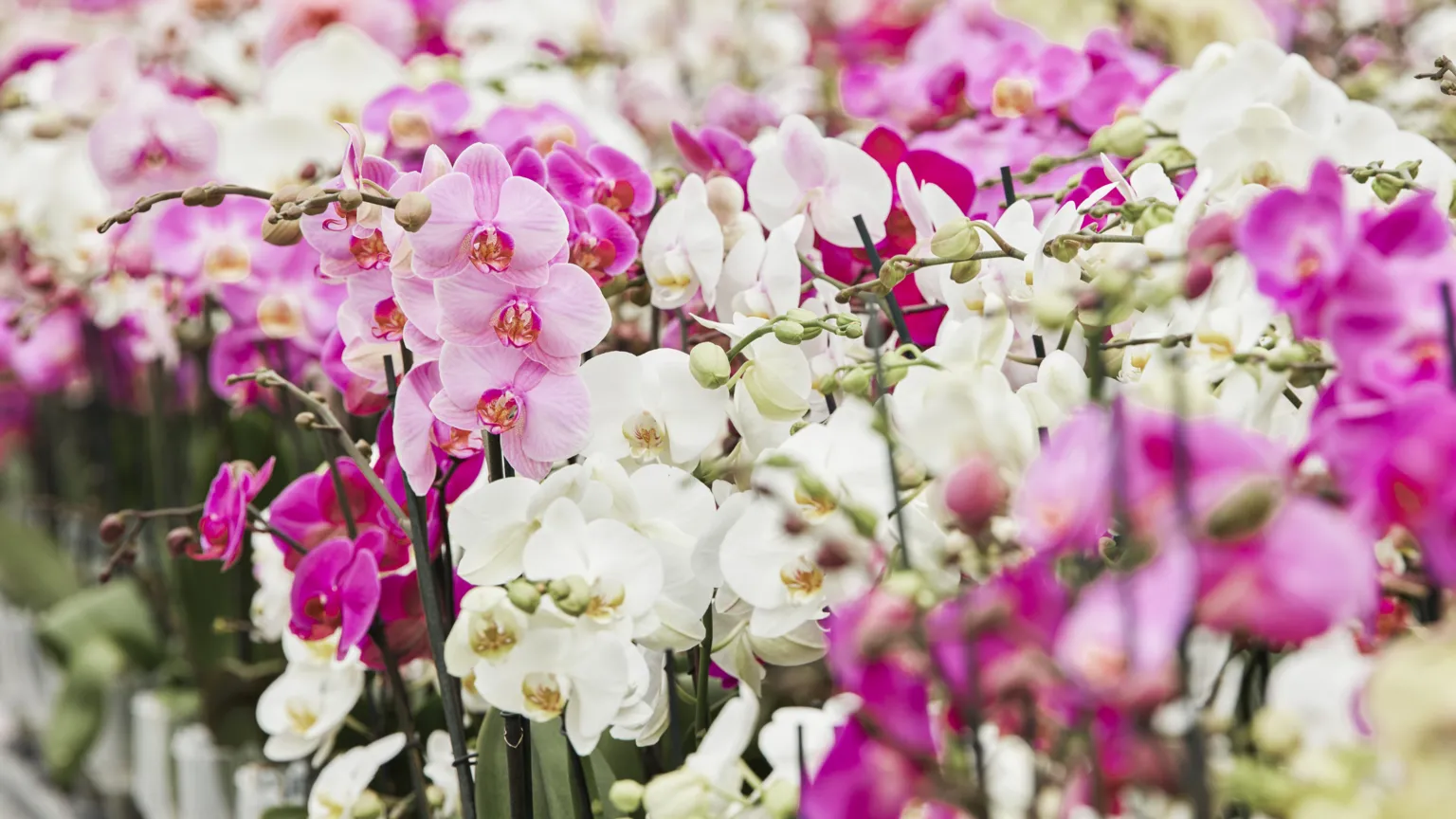
In the hushed, humid confines of specialized greenhouses across the globe, a silent revolution is underway. It's a world where patience is measured in decades, and success is crowned by a single, perfectly formed petal. This is the clandestine, yet incredibly lucrative, realm of orchid breeding, an industry that combines the meticulousness of genetic science with the artistry of nature to produce the next floral masterpiece. While a single new orchid variety can command a fortune and reshape horticultural trends, the path to its creation is fraught with challenges, demanding an extraordinary commitment of time, resources, and unwavering dedication.
The Genesis of a Gem: A Decade in the Making
The journey from a breeder's vision to a market-ready orchid is nothing short of an epic. It typically spans a full decade, a testament to the slow, deliberate pace of botanical evolution guided by human hands. It begins with careful selection: two parent orchids, chosen for their desirable traits – vibrant color, unique patterns, robust growth, or disease resistance – are cross-pollinated. This delicate process often involves the use of tiny brushes or tweezers, transferring pollen with surgical precision. Once pollinated, the seed pod can take months to mature. Unlike many plants, orchid seeds are microscopic and lack endosperm, requiring a sterile, nutrient-rich agar jelly for germination in a laboratory setting. This flasking stage is critical and highly susceptible to contamination.
After months, sometimes years, in flasks, the tiny seedlings, known as protocorms, are transplanted into community pots. Here, they grow slowly, often for several more years, before they are large enough to be individually potted. The real waiting game then begins: the first bloom. This is the moment of truth, when breeders finally see the fruits of their labor. Many will be discarded for not meeting the breeder's exacting standards, but a select few will show promise. Even then, further cultivation, observation, and propagation are required to ensure the stability of the traits and to produce enough plants for commercial release. This entire cycle underscores the immense investment required before any return on investment can be realized.
The Global Orchid Market: A Multi-Million Dollar Bloom
For all the painstaking effort, the rewards can be substantial. The global orchid market is a powerhouse, valued at hundreds of millions of dollars annually, with some estimates pushing it towards the billion-dollar mark. This vast market encompasses everything from mass-produced Phalaenopsis sold in supermarkets to rare, collector's species fetching thousands at auction. The demand for new, exciting, and resilient varieties is constant, driven by both commercial growers seeking efficient, high-yield plants and hobbyists yearning for unique additions to their collections. Countries like the Netherlands, Taiwan, and Thailand are major players in orchid cultivation and export, leveraging advanced horticultural technologies and skilled labor.
Key market segments include: * Cut flowers: Used extensively in floral arrangements and bouquets. * Potted plants: Dominating retail sales for home decoration and gifts. * Collector's items: Rare species and highly sought-after hybrids for enthusiasts. * Breeding stock: Parent plants used to create new generations.
The intense competition to produce the “next big thing” in the orchid world is palpable. A truly groundbreaking hybrid – one with novel colors, improved fragrance, or exceptional longevity – can become a sensation, leading to significant licensing fees and sales for its creator. This potential for a horticultural jackpot fuels the relentless innovation and secrecy within the industry, as breeders guard their genetic lines and breeding techniques with fierce protectiveness.
Art Meets Science: The Breeder's Toolkit
Orchid breeding is a sophisticated blend of art and science. On the scientific front, breeders employ principles of genetics and horticulture. They understand dominant and recessive traits, polyploidy, and the intricacies of orchid physiology. Modern techniques might even involve tissue culture for rapid propagation of desirable clones or molecular markers for early selection. However, it's not purely a scientific endeavor; there's a profound artistic element involved in envisioning the ideal flower, an intuitive understanding of aesthetics, and the patience to wait for nature to reveal its secrets.
Expert breeders often possess: * Deep botanical knowledge: Understanding of orchid species, their habitats, and growth requirements. * Keen eye for aesthetics: Ability to identify desirable traits and predict potential outcomes. * Scientific rigor: Meticulous record-keeping, sterile lab practices, and understanding of plant genetics. * Patience and perseverance: Essential for enduring the long development cycles and frequent disappointments.
Many breeders operate with a degree of secrecy, not out of malice, but to protect their intellectual property. A unique hybrid can be patented or trademarked, ensuring that only the original breeder or licensed growers can profit from its sale. This protection is vital, given the immense investment of time and resources required to bring a new variety to market. The competition isn't just about beauty; it's about securing a competitive edge in a demanding global marketplace.
The Future of Orchids: Sustainability and Innovation
As the world grapples with environmental concerns, the orchid industry is also evolving. There's a growing emphasis on sustainability, with breeders focusing on creating more robust, disease-resistant varieties that require fewer pesticides and less energy-intensive cultivation. Conservation efforts are also paramount, as many wild orchid species are endangered due to habitat loss. Breeders and conservationists often work hand-in-hand, using cultivated varieties to reduce pressure on wild populations and sometimes even reintroducing species into their native habitats.
Innovation continues to drive the industry forward. Advances in genetic sequencing could accelerate the breeding process, allowing for more precise selection and faster development of new hybrids. The quest for novel traits – perhaps truly blue orchids, fragrant varieties with extended bloom times, or even orchids that can thrive in less conventional environments – remains a powerful motivator. The future of the orchid world promises even more breathtaking diversity, fueled by the relentless passion of those who dedicate their lives to coaxing beauty from the botanical realm.
In conclusion, the world of orchid breeding is a fascinating microcosm of human endeavor – a blend of scientific pursuit, artistic vision, and commercial ambition. It's a realm where time is a currency, and the ultimate reward is the fleeting, exquisite beauty of a flower. For those who dedicate themselves to this challenging craft, the decade-long wait is not merely a period of toil, but a journey of discovery, culminating in the unveiling of nature's next masterpiece, carefully guided by human ingenuity.
Stay Informed
Get the world's most important stories delivered to your inbox.
No spam, unsubscribe anytime.
Comments
No comments yet. Be the first to share your thoughts!