Trump Hints at Imminent US-Iran Talks Amidst 'Grand Bargain' Hopes
Former President Donald Trump has suggested that crucial talks between the United States and Iran could resume within days, potentially in Islamabad. This comes as Senator J.D. Vance advocates for a 'grand bargain' to de-escalate tensions and reshape the Middle East. The prospect of renewed diplomacy raises hopes for a new chapter in the complex relationship between Washington and Tehran, potentially impacting global energy markets and regional stability.
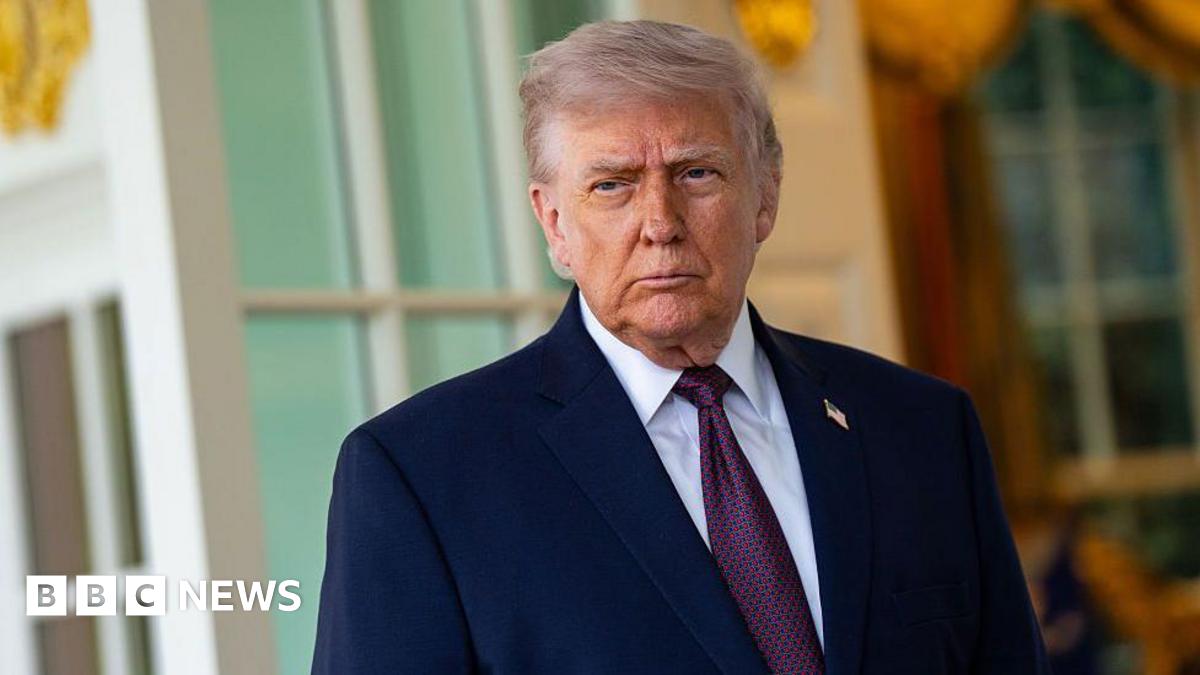
In a surprising turn of events that has sent ripples across the geopolitical landscape, former U.S. President Donald Trump has hinted at the imminent resumption of talks between the United States and Iran. Speaking to a reporter in Islamabad, where previous discussions have taken place, Trump cryptically remarked, "You should stay there... Something could be happening over the next two days." This statement, made in an interview with the New York Post, has ignited speculation about a potential breakthrough in one of the world's most enduring and fraught diplomatic stalemates.
The prospect of renewed dialogue comes at a critical juncture, with regional tensions simmering and global powers closely watching the intricate dance between Washington and Tehran. The implications of such a development are vast, potentially reshaping alliances, influencing oil prices, and offering a pathway to de-escalation in a volatile region. The timing of Trump's comments, coupled with growing calls for a comprehensive resolution, suggests that the stage might indeed be set for a significant diplomatic offensive.
The Allure of a 'Grand Bargain'
The notion of a "grand bargain" with Iran, as advocated by figures like Senator J.D. Vance, has gained traction in recent discussions. Vance, a prominent voice in foreign policy circles, has reportedly emphasized the need for a comprehensive agreement that goes beyond the nuclear issue, encompassing regional security, economic cooperation, and a broader framework for coexistence. This concept suggests a more holistic approach to the U.S.-Iran relationship, moving past the piecemeal negotiations that have often characterized past interactions.
A grand bargain would, by definition, require significant concessions and commitments from both sides. For the U.S., it might involve lifting a substantial portion of sanctions, providing security assurances, and acknowledging Iran's legitimate regional interests. For Iran, it would likely entail verifiable curbs on its nuclear program, a cessation of support for certain proxy groups, and a commitment to regional stability. The sheer complexity of such an undertaking is immense, demanding high-level political will and a willingness to compromise on deeply entrenched positions.
Historically, the idea of a grand bargain has surfaced multiple times, particularly after the 2003 invasion of Iraq, when Iran reportedly offered a comprehensive proposal that was ultimately rejected by the Bush administration. The current renewed interest in this approach reflects a recognition that a purely confrontational strategy has yielded limited long-term success and that a more integrated solution might be necessary to break the cycle of escalation and mistrust.
Historical Context: A Legacy of Mistrust and Missed Opportunities
The relationship between the United States and Iran is a tapestry woven with decades of animosity, mistrust, and missed opportunities. The 1979 Iranian Revolution, which overthrew the U.S.-backed Shah, marked a dramatic turning point, transforming a strategic alliance into a bitter rivalry. The subsequent hostage crisis, Iran-Iraq War, and the development of Iran's nuclear program have further entrenched this adversarial dynamic.
Efforts to bridge the divide have been sporadic and often short-lived. The landmark 2015 Joint Comprehensive Plan of Action (JCPOA), or Iran nuclear deal, represented a significant diplomatic achievement, placing stringent limits on Iran's nuclear activities in exchange for sanctions relief. However, the U.S. withdrawal from the agreement in 2018 under the Trump administration, followed by the re-imposition of crippling sanctions, plunged the relationship back into crisis. This withdrawal, viewed by many as a critical error, reignited fears of a regional arms race and further destabilized the Middle East.
Understanding this historical baggage is crucial for any future negotiations. Both sides carry deep-seated grievances and a profound sense of historical injustice. For any talks to succeed, they must acknowledge these historical realities while simultaneously seeking to forge a new path forward, one that prioritizes mutual security and stability over past animosities. The challenge lies in building trust where none has existed for decades.
Key Players and Potential Obstacles
While Trump's comments have generated excitement, the path to a grand bargain is fraught with obstacles. On the U.S. side, any agreement would need to navigate a deeply polarized political landscape. Domestic opposition, particularly from hardliners who advocate for a maximalist pressure campaign, could derail even the most carefully crafted diplomatic efforts. The role of Congress, which holds significant sway over foreign policy and sanctions, would also be critical.
In Iran, the political dynamics are equally complex. The Supreme Leader, Ayatollah Ali Khamenei, holds ultimate authority, and his approval is essential for any major policy shift. Hardline factions within the Revolutionary Guard Corps and the political establishment often view engagement with the U.S. with deep suspicion, fearing it could undermine the principles of the revolution. Any deal would need to be perceived as a victory for Iranian sovereignty and national interests, not a capitulation.
Furthermore, regional actors such as Israel and Saudi Arabia, who view Iran as a primary threat, would closely scrutinize any potential agreement. Their concerns about Iran's regional influence and missile program would need to be addressed, either directly or indirectly, to prevent further destabilization. The intricate web of alliances and rivalries in the Middle East means that a U.S.-Iran rapprochement could have cascading effects, both positive and negative, across the entire region.
Implications for Global Stability and Energy Markets
The successful resumption and conclusion of U.S.-Iran talks, particularly leading to a grand bargain, would have profound implications for global stability. A de-escalation of tensions could reduce the risk of military confrontation in the Persian Gulf, a critical chokepoint for global oil supplies. This, in turn, could lead to greater predictability in energy markets, potentially easing inflationary pressures and fostering economic growth worldwide.
Conversely, a failure of talks or a renewed escalation of tensions could send oil prices soaring, disrupt shipping lanes, and trigger a broader regional conflict. The stakes are incredibly high, not just for the immediate parties involved but for the entire international community. The world watches with bated breath, hoping that the whispers of diplomacy from Islamabad might indeed herald a new, more peaceful chapter.
In conclusion, Donald Trump's suggestion of imminent talks, coupled with the strategic vision of a grand bargain, presents a glimmer of hope in a long-troubled relationship. While the challenges are formidable and the historical baggage immense, the potential rewards of a comprehensive agreement—regional stability, economic benefits, and a reduction in global tensions—are too significant to ignore. The coming days and weeks will reveal whether this latest diplomatic overture can finally break the cycle of animosity and usher in an era of cautious cooperation between Washington and Tehran.
Stay Informed
Get the world's most important stories delivered to your inbox.
No spam, unsubscribe anytime.
Comments
No comments yet. Be the first to share your thoughts!