Trump Rejects Iran's Peace Overture, Oil Prices Surge Amid Escalating Hormuz Tensions
President Trump's swift dismissal of Iran's response to a U.S. peace proposal has sent global oil prices soaring, reigniting fears of prolonged instability in the Middle East. The 10-week-old conflict, centered on the critical Strait of Hormuz, shows no signs of abating, threatening global energy supplies and economic stability. Experts warn of a deepening geopolitical crisis with far-reaching implications.
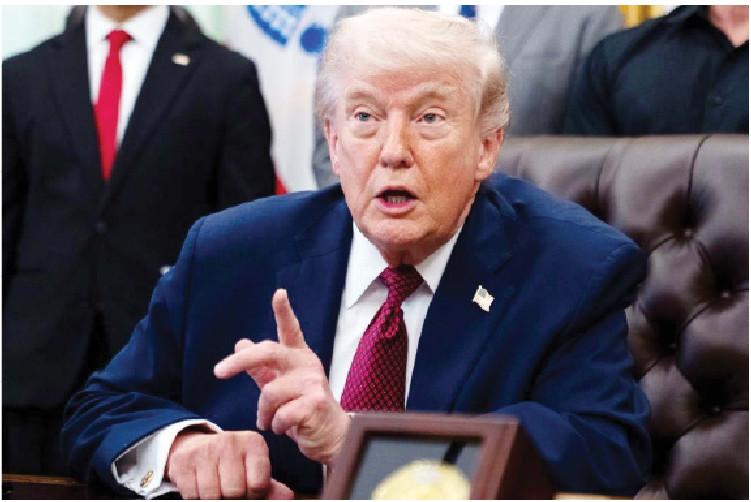
The geopolitical chessboard of the Middle East remains volatile, with President Donald Trump's unequivocal rejection of Iran's latest overture for a peace settlement sending immediate shockwaves through global markets. On Monday, the price of crude oil experienced a significant surge, a direct consequence of renewed anxieties that the protracted 10-week conflict, primarily manifesting around the strategic Strait of Hormuz, is set to endure, maintaining its chokehold on international shipping lanes. This latest development underscores a deepening impasse between Washington and Tehran, threatening to destabilize an already fragile region and casting a long shadow over the global economy.
The Unraveling of a Diplomatic Thread
Days after the U.S. floated a comprehensive peace proposal aimed at de-escalating tensions, Iran's response, though not fully disclosed, was evidently deemed insufficient by the White House. President Trump's administration has consistently maintained a hardline stance against Tehran, demanding significant concessions on its nuclear program, ballistic missile development, and regional proxy activities. Iran, for its part, has often characterized U.S. demands as infringements on its sovereignty and has sought to leverage its strategic position in the Persian Gulf. The swiftness of the rejection highlights the vast chasm separating the two nations' negotiating positions, suggesting that the path to a diplomatic resolution is fraught with formidable obstacles. This cycle of proposals and rejections has become a familiar, and increasingly concerning, pattern in the U.S.-Iran relationship, each iteration seemingly pushing the region closer to the brink.
Historically, the relationship between the United States and Iran has been marked by periods of cooperation and intense rivalry. The 1979 Iranian Revolution irrevocably altered this dynamic, transforming a key U.S. ally into a formidable adversary. Decades of sanctions, proxy conflicts, and mutual distrust have cemented a deeply adversarial relationship. The current crisis, ignited by the U.S. withdrawal from the Joint Comprehensive Plan of Action (JCPOA) in 2018 and the subsequent re-imposition of crippling sanctions, represents one of the most dangerous periods in recent memory. The Strait of Hormuz, a narrow maritime chokepoint through which approximately 20% of the world's petroleum and other liquids pass daily, has become the focal point of this confrontation, with numerous incidents involving tankers and naval vessels raising the specter of direct military conflict.
Oil Markets on Edge: The Hormuz Factor
The immediate and most tangible consequence of the diplomatic breakdown is the volatility in global oil markets. Following Trump's rejection, Brent crude futures jumped by over 2%, while WTI futures saw similar gains, reflecting market apprehension. This surge is not merely speculative; it is rooted in the very real threat of supply disruptions from the Persian Gulf. The Strait of Hormuz is not just a shipping lane; it is the lifeline of global energy supply. Any prolonged disruption or closure would have catastrophic implications for economies worldwide, leading to significantly higher fuel prices, increased inflation, and potentially triggering a global recession. The International Energy Agency (IEA) has repeatedly warned about the fragility of global oil supplies in the face of Middle East instability, and the current situation perfectly illustrates these concerns. Traders and analysts are now closely monitoring every development, with the price of oil becoming a barometer for geopolitical risk in the region. The fear is that a miscalculation or an accidental escalation could transform a tense standoff into an open conflict, with the Strait of Hormuz becoming a battleground.
Regional Implications and International Response
The ripple effects of this ongoing crisis extend far beyond oil prices. Regional powers, including Saudi Arabia, the UAE, and Israel, are deeply invested in the outcome, each with their own security concerns and strategic interests. Saudi Arabia, a key U.S. ally and Iran's regional rival, has been particularly vocal about Iran's destabilizing activities. The Yemen conflict, the Syrian civil war, and the political landscape in Iraq and Lebanon are all inextricably linked to the U.S.-Iran rivalry. Any escalation in the Persian Gulf could ignite broader regional conflicts, drawing in multiple actors and creating an even more complex humanitarian and security crisis. International bodies, including the United Nations and the European Union, have consistently called for de-escalation and diplomatic engagement, but their efforts have largely been overshadowed by the entrenched positions of Washington and Tehran. The lack of a unified international front further complicates resolution efforts, leaving the region vulnerable to continued instability.
The Path Forward: A Precarious Balance
As the 10-week standoff continues, the question remains: what does the future hold for U.S.-Iran relations and the stability of the Middle East? The current trajectory suggests a prolonged period of tension, punctuated by sporadic incidents and diplomatic stalemates. For consumers, this translates to continued uncertainty in energy markets and the potential for higher costs. For businesses, particularly those reliant on global supply chains, the risks of disruption are elevated. Experts suggest that a breakthrough would require a significant shift in posture from either side, or perhaps a novel diplomatic initiative from a third party. However, given the deep-seated mistrust and conflicting strategic objectives, such a shift appears unlikely in the short term. The international community watches with bated breath, hoping that diplomacy, however fragile, can ultimately prevail over the escalating rhetoric and military posturing. The stakes are incredibly high, not just for the Middle East, but for the entire global economic and political order.
Stay Informed
Get the world's most important stories delivered to your inbox.
No spam, unsubscribe anytime.
Comments
No comments yet. Be the first to share your thoughts!