Trump's Texas Gambit: Endorsing Paxton Against Cornyn and the GOP's Internal Rift
Donald Trump's endorsement of Texas Attorney General Ken Paxton in his primary challenge against incumbent Senator John Cornyn has sent shockwaves through the Republican Party. This strategic move highlights Trump's continued influence and willingness to defy party establishment, backing a candidate embroiled in legal controversies. The decision has deepened internal divisions, forcing Republicans to choose between loyalty to Trump and traditional party allegiances, with significant implications for the future of the GOP and the upcoming elections.
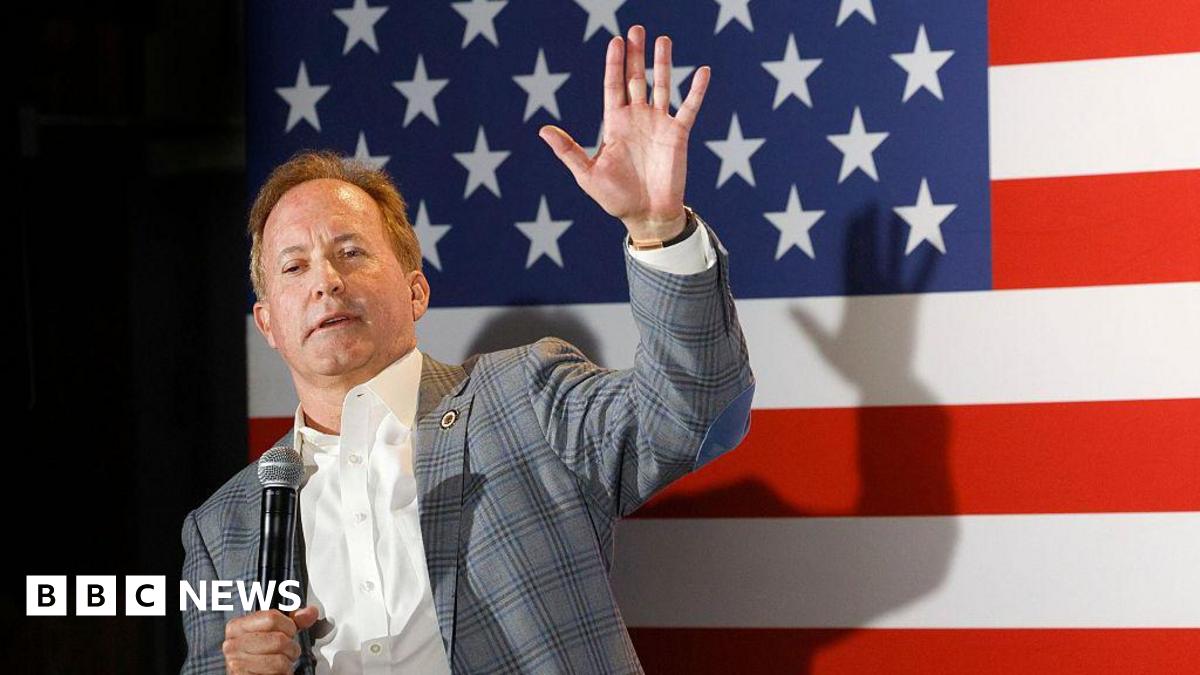
In a political maneuver that has sent tremors through the Republican establishment, former President Donald Trump has thrown his formidable weight behind Texas Attorney General Ken Paxton, endorsing him in his bid to unseat veteran incumbent Senator John Cornyn in the upcoming Republican primary. This decision, announced with Trump's characteristic flair, is more than just a simple endorsement; it represents a calculated gamble, a test of presidential influence, and a stark illustration of the deep ideological fissures currently running through the Grand Old Party.
Trump’s backing of Paxton, a figure long embroiled in legal controversies and facing an impeachment trial, against Cornyn, a seasoned senator with decades of service, underscores a critical dynamic in contemporary Republican politics: loyalty to Trump often trumps traditional party loyalty, experience, or even a clean public record. The move has reportedly dismayed many Senate Republicans, who have served alongside Cornyn for years and view Paxton's challenges as a significant liability. Yet, for Trump, it's an opportunity to assert his kingmaker status and reshape the party in his image, even from outside the White House.
The Contenders: A Study in Contrasts
John Cornyn represents the quintessential establishment Republican. A former Texas Attorney General himself, Cornyn has served in the U.S. Senate since 2002, rising to positions of significant influence, including Senate Majority Whip. He is known for his legislative acumen, his conservative voting record, and his ability to navigate the intricate political landscape of Washington D.C. His career has been marked by a pragmatic approach, often working within the party structure to achieve conservative goals. However, this very pragmatism has made him a target for the populist wing of the party, which views compromise and traditional deal-making with suspicion. Cornyn's occasional criticisms of Trump, albeit often mild, have been enough to earn him the former president's ire, painting him as insufficiently loyal.
Ken Paxton, on the other hand, embodies the insurgent, culture-warrior wing of the Republican Party. As Texas Attorney General since 2015, Paxton has been a vocal champion of conservative causes, frequently engaging in high-profile legal battles against federal policies under both the Obama and Biden administrations. He has been a staunch ally of Trump, participating in efforts to challenge the 2020 election results and aligning himself with the former president's populist rhetoric. However, Paxton's tenure has been overshadowed by significant legal troubles. He was indicted on securities fraud charges in 2015, a case that remains unresolved. More recently, he faced an impeachment trial in the Texas Senate on charges of bribery and abuse of public trust, though he was ultimately acquitted. These legal clouds, while dismissed by his supporters as politically motivated, present considerable baggage for any candidate.
Trump's Motivations: Power, Loyalty, and Revenge
Trump's endorsement strategy is rarely purely about policy or electability; it's often a complex brew of personal loyalty, perceived slights, and a desire to demonstrate his enduring power within the GOP. In Cornyn, Trump sees a Republican who, while largely voting in line with his administration, did not offer the unwavering, vocal support he demanded. Cornyn's comments following the January 6th Capitol riot, for instance, were seen by some as insufficiently deferential to the former president. By endorsing Paxton, Trump is sending a clear message: loyalty to him personally is paramount, and dissent will be punished.
Furthermore, this endorsement allows Trump to continue shaping the Republican Party in his image. He is actively working to purge the party of those he deems insufficiently conservative or loyal, replacing them with candidates who mirror his populist, America First ideology. This strategy has been successful in other races, demonstrating Trump's ability to sway primary voters. For Trump, Paxton represents a fighter, someone willing to take on the establishment and embrace the confrontational style that resonates with his base.
Implications for the GOP and Texas Politics
The implications of this endorsement are far-reaching. For the Republican Party, it deepens the existing rift between the traditional conservative establishment and the populist, Trump-aligned wing. It forces Republican voters in Texas to make a difficult choice: support a long-serving, experienced senator or back a controversial figure championed by the party's de facto leader. This internal strife could potentially weaken the party in the general election, although Texas remains a reliably red state in federal races.
For Texas, the outcome of this primary will be highly consequential. Should Paxton prevail, it would signal a further shift towards the right and a consolidation of the Trumpian wing's influence within the state's political landscape. It would also mean a senator potentially more aligned with the former president's agenda, potentially impacting federal policy and the state's relationship with Washington. Conversely, a Cornyn victory would demonstrate the resilience of the establishment wing and perhaps a limit to Trump's endorsement power, at least in some contexts. The race will also serve as a barometer for Trump's influence heading into the 2024 presidential cycle, showing whether his endorsements can still sway crucial primary contests even when the endorsed candidate carries significant political baggage.
The Road Ahead: A Battle for the Soul of the Party
The primary race between Ken Paxton and John Cornyn is shaping up to be one of the most closely watched contests in the nation. It is not merely a battle between two individuals but a proxy war for the future direction of the Republican Party. The outcome will reveal much about the enduring power of Donald Trump's influence, the appetite of Republican voters for insurgent candidates, and the resilience of the party's traditional structures. As the political landscape continues to evolve, this Texas showdown will offer crucial insights into the ongoing transformation of American conservatism. The stakes are high, not just for the candidates, but for the very identity of the GOP in the post-Trump era.
Stay Informed
Get the world's most important stories delivered to your inbox.
No spam, unsubscribe anytime.
Comments
No comments yet. Be the first to share your thoughts!