UAE Nuclear Plant Drone Attack: Iraqi Origin Points to Escalating Regional Tensions and Iran's Shadow War
The UAE's Barakah nuclear power plant was targeted by drones last week, with Abu Dhabi now stating the attack originated from Iraq. This revelation significantly escalates regional tensions, suggesting a broadening scope for Iran-backed militias in their campaign against Gulf energy infrastructure. The incident underscores the complex and volatile nature of the Middle East's geopolitical landscape, raising concerns about the security of critical infrastructure and the potential for wider conflict.
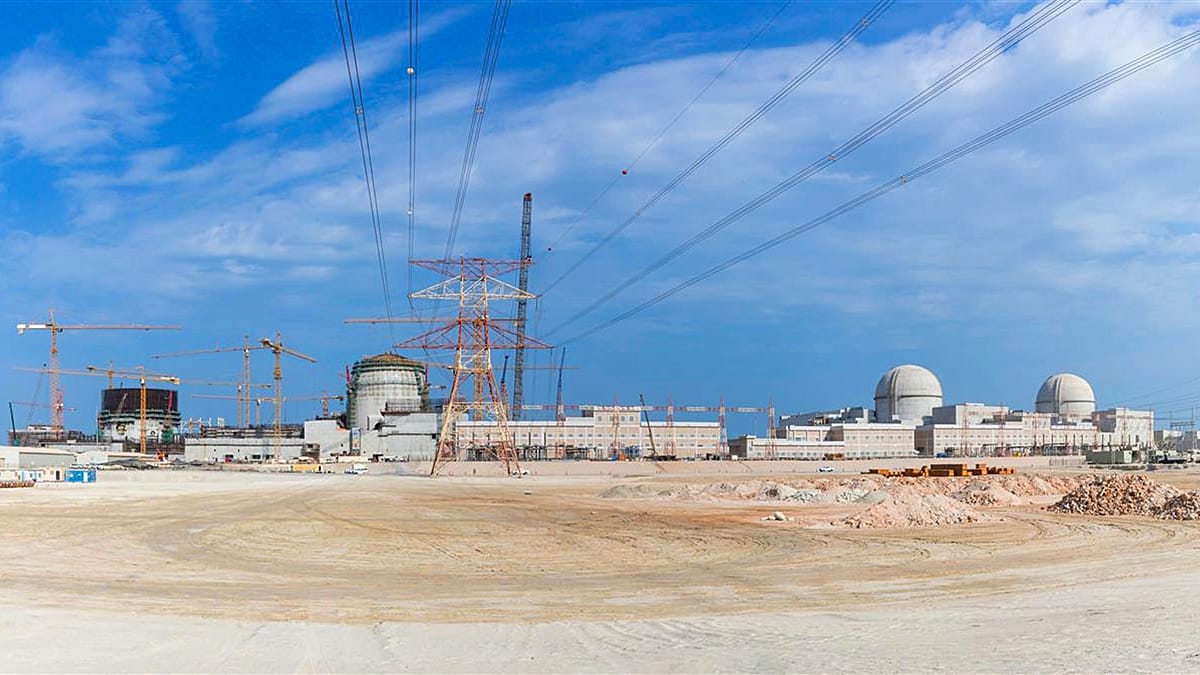
The tranquility of the Arabian Peninsula was shattered last week when the United Arab Emirates' flagship Barakah nuclear power plant, a symbol of the nation's ambitious future, came under attack by drones. While initial reports were scant on origin, the UAE has now unequivocally stated that these unmanned aerial vehicles (UAVs) were launched from Iraqi territory. This assertion marks a critical turning point, pointing to a significant escalation in the ongoing shadow war between Iran and its regional adversaries, primarily targeting vital Gulf energy infrastructure.
The incident at Barakah, the Arab world's first operational nuclear power plant, is not merely an act of aggression; it is a calculated geopolitical maneuver. It signals a worrying expansion of the operational reach of Tehran-backed militias, moving beyond traditional conflict zones to threaten strategic assets deep within the Gulf Cooperation Council (GCC) states. The implications are profound, touching upon regional stability, global energy security, and the delicate balance of power in one of the world's most volatile regions.
The Unfolding Threat: From Yemen to Iraq
For years, the primary vector for drone and missile attacks against Saudi Arabia and the UAE has been Yemen, where the Iran-aligned Houthi rebels have repeatedly launched assaults. These attacks, often targeting oil facilities, airports, and other civilian infrastructure, have been a constant reminder of the Houthi's growing capabilities and Iran's strategic influence. However, the alleged Iraqi origin of the Barakah attack introduces a new and deeply concerning dimension.
Iraq, already grappling with its own internal political instability and the enduring presence of various armed groups, has become an increasingly complex battleground for regional proxy conflicts. Several powerful Shiite militias, many with strong ties to Iran's Islamic Revolutionary Guard Corps (IRGC), operate within Iraq. These groups, such as Kataib Hezbollah and Asa'ib Ahl al-Haq, have previously been implicated in attacks against U.S. interests in Iraq and have demonstrated a willingness to project power beyond Iraq's borders. The notion that they could be used to target UAE infrastructure from Iraqi soil suggests a deliberate strategy to diversify attack vectors and complicate attribution, thereby increasing the challenge for regional defense systems and international diplomacy.
This shift indicates a potential strategic recalibration by Iran and its proxies. By launching attacks from Iraq, they might aim to: * Increase plausible deniability: While the UAE has attributed the attack to Iraqi territory, direct attribution to specific groups or to Iran itself can be more challenging, providing Tehran with a degree of plausible deniability. * Overwhelm defenses: Attacking from multiple directions (Yemen and Iraq) could strain air defense systems designed primarily to counter threats from specific axes. * Broaden the conflict's geographical scope: This expands the conflict beyond the immediate Saudi-Yemen border, drawing in another critical regional player, Iraq, and further destabilizing the wider Middle East. * Send a clear message: It underscores the ability of Iran-backed groups to strike at the heart of Gulf economic and strategic interests, even those considered highly secure.
Barakah: A Symbol Under Siege
The Barakah nuclear power plant, located in the Al Dhafra region of Abu Dhabi, is a cornerstone of the UAE's vision for a diversified and sustainable energy future. With four reactors planned, two of which are now operational, it represents a significant investment in clean energy and a departure from traditional fossil fuel reliance. Its successful operation is a point of national pride and a testament to the UAE's technological prowess and commitment to international safety standards.
However, its very prominence makes it a high-value target. An attack on a nuclear facility, even if unsuccessful in causing a meltdown or significant damage, sends a chilling message. It highlights the vulnerability of critical national infrastructure to asymmetric warfare tactics, particularly drone technology, which has become increasingly sophisticated and accessible. The psychological impact of such an attack, designed to instill fear and disrupt economic confidence, cannot be underestimated. It forces nations to re-evaluate their defense strategies and the extent of the threat posed by non-state actors operating with state sponsorship.
The UAE has invested heavily in advanced air defense systems, including American-made Patriot missile batteries and other sophisticated radar and interception technologies. The fact that drones were able to approach or target Barakah, even if intercepted or rendered ineffective, raises questions about the evolving nature of drone warfare and the challenges of detecting and neutralizing small, fast-moving aerial threats. This incident will undoubtedly prompt a review of existing protocols and potentially lead to further investments in counter-drone technologies.
Geopolitical Ripples and International Response
The UAE's announcement has sent ripples across international capitals. The United States, a key security partner for both the UAE and Iraq, finds itself in a precarious position. Washington has consistently urged Iraq to rein in Iran-backed militias and prevent them from using Iraqi territory to launch attacks. This incident will likely intensify pressure on the Iraqi government to assert greater control over these groups, a task made exceedingly difficult by their deep political and military entrenchment.
For Gulf states, particularly Saudi Arabia and the UAE, the incident reinforces their long-held concerns about Iran's destabilizing influence in the region. It validates their calls for a stronger international stance against Tehran's proxy networks and its ballistic missile and drone programs. The attack could also complicate ongoing diplomatic efforts to de-escalate tensions and revive the Iran nuclear deal, as it demonstrates a continued pattern of aggressive behavior by Iran-aligned forces.
Internationally, the targeting of a nuclear facility, regardless of the extent of damage, is viewed with extreme gravity. It raises fears of potential radiological release, even if remote, and underscores the need for robust international safeguards and security protocols for nuclear sites. The International Atomic Energy Agency (IAEA) will undoubtedly be monitoring the situation closely, emphasizing the importance of protecting such facilities from all forms of attack.
The Path Forward: Diplomacy, Defense, and Deterrence
The Barakah incident serves as a stark reminder that the Middle East remains a powder keg, with numerous flashpoints capable of igniting wider conflicts. The path forward will require a multi-faceted approach:
* Enhanced Defense Capabilities: Gulf states will continue to invest heavily in advanced air defense and counter-drone systems, adapting to the evolving threat landscape. Collaboration with international partners, particularly the U.S., will be crucial in developing and deploying cutting-edge technologies. * Diplomatic Pressure on Iraq: The international community must exert sustained pressure on the Iraqi government to prevent its territory from being used as a launchpad for regional attacks. This includes supporting Iraqi efforts to strengthen state control over armed groups and promoting political stability. * Strategic Deterrence: A clear and credible deterrence strategy against Iran and its proxies is essential. This involves a combination of military readiness, intelligence sharing, and economic sanctions, aimed at raising the cost of aggressive actions. * Regional Dialogue: While challenging, fostering channels for direct or indirect dialogue between regional rivals remains vital to de-escalate tensions and prevent miscalculations. The recent rapprochement between Saudi Arabia and Iran, though fragile, offers a glimmer of hope for reducing proxy conflicts.
The drone attack on the Barakah nuclear plant is more than just an isolated incident; it is a symptom of a deeper, more entrenched regional struggle. It highlights the urgent need for a comprehensive strategy to address the proliferation of drone technology, the influence of non-state actors, and the persistent geopolitical rivalries that continue to threaten peace and stability in the Middle East. The world watches, hoping that this latest escalation does not spiral into a wider conflagration, but rather serves as a catalyst for renewed efforts towards lasting security.
Stay Informed
Get the world's most important stories delivered to your inbox.
No spam, unsubscribe anytime.
Comments
No comments yet. Be the first to share your thoughts!