Ukraine's Green Surge: Renewables Power 11% of Electricity Amidst Conflict and Reconstruction
Despite ongoing conflict, Ukraine's renewable energy sector demonstrated remarkable resilience and growth in 2025, accounting for 11% of the nation's total electricity generation. This significant milestone, reported by the National Commission for State Regulation of Energy and Public Utilities, underscores Ukraine's commitment to energy independence and a sustainable future. The achievement highlights strategic investments and international support in rebuilding and modernizing its energy infrastructure. This article explores the factors driving this green transition and its implications for Ukraine's post-war recovery.
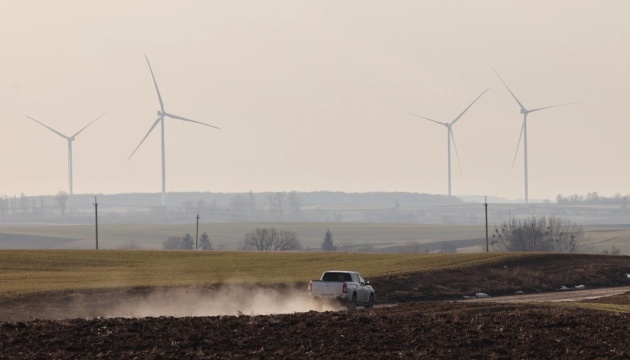
In the shadow of ongoing geopolitical turmoil and the immense challenges of reconstruction, Ukraine has quietly, yet powerfully, been forging a path toward a greener, more resilient energy future. A recent report from the National Commission for State Regulation of Energy and Public Utilities (NKREKP) reveals a significant milestone: in 2025, renewable energy sources (RES) contributed a remarkable 11% to Ukraine's total electricity generation. This figure is not merely a statistic; it represents a testament to the nation's unwavering resolve to modernize its infrastructure, enhance energy security, and align with global sustainability goals, even as it navigates the complexities of conflict.
This achievement is particularly noteworthy given the devastating impact of the war on Ukraine's energy grid, which has seen widespread destruction of conventional power plants and transmission lines. The pivot towards decentralized, renewable energy solutions is emerging not just as an environmental imperative but as a strategic necessity for national resilience and long-term stability. It signals a profound shift in Ukraine's energy paradigm, moving away from reliance on fossil fuels and towards a diversified, sustainable mix that can withstand future shocks.
The Strategic Imperative: Energy Security and Reconstruction
Ukraine's journey towards energy independence has been a long and arduous one, predating the current conflict. Historically, the nation has been heavily reliant on imported fossil fuels, particularly natural gas from Russia, which has often been weaponized for political leverage. The pursuit of energy sovereignty has thus become a cornerstone of national security doctrine. The war has only amplified this urgency, demonstrating the vulnerability of centralized energy systems to external aggression and the critical need for distributed, resilient power generation.
Renewable energy, with its inherent modularity and localized generation potential, offers a compelling solution. Solar farms, wind parks, and small-scale hydro projects can be deployed more rapidly and are less susceptible to large-scale, catastrophic damage than massive thermal or nuclear power plants. Furthermore, the reconstruction effort presents a unique "build back better" opportunity. International partners and financial institutions are increasingly prioritizing green investments in Ukraine, recognizing that sustainable infrastructure is key to a robust and lasting recovery. The 11% figure for 2025 suggests that these efforts are already bearing fruit, laying the groundwork for a more modern and environmentally friendly energy system.
Driving Factors Behind the Green Shift
Several interconnected factors have contributed to this impressive growth in renewable energy generation:
* Government Policy and Regulatory Frameworks: Even amidst wartime, the Ukrainian government has continued to signal its commitment to renewable energy through supportive policies, albeit with necessary adjustments. While the pre-war feed-in tariff (FIT) system faced challenges, efforts to reform and stabilize the market have been ongoing. The NKREKP's continued monitoring and reporting underscore the regulatory body's role in fostering a conducive environment for RES development. * International Support and Investment: Global partners, including the European Union, the United States, and various international financial institutions (IFIs), have channeled significant financial and technical assistance towards Ukraine's energy sector. This support is crucial for funding new projects, repairing damaged infrastructure, and providing expertise in renewable energy technologies. Initiatives like the Ukraine Energy Support Fund have played a vital role in mobilizing resources. * Technological Advancements and Cost Reduction: The global trend of decreasing costs for solar photovoltaic (PV) and wind turbine technologies has made renewables increasingly competitive, even in challenging environments. This economic viability, combined with advancements in energy storage solutions, makes RES an attractive option for rapid deployment and grid stabilization. * Decentralization as a Resilience Strategy: The destruction of large power plants has underscored the strategic value of decentralized energy. Microgrids and distributed generation, often powered by renewables, can provide essential electricity to local communities, hospitals, and critical infrastructure, reducing reliance on a fragile national grid. This approach enhances grid resilience and minimizes the impact of potential future attacks.
Challenges and the Path Forward
While the 11% share is a positive indicator, Ukraine's renewable energy sector still faces substantial hurdles. The ongoing conflict poses significant risks to new and existing infrastructure, including direct damage, supply chain disruptions, and investor hesitancy. Grid integration remains a complex technical challenge, especially with a damaged and aging transmission network. Furthermore, ensuring a stable and predictable regulatory environment is paramount to attracting sustained private investment.
Looking ahead, Ukraine's energy strategy will likely involve a multi-pronged approach:
* Continued Investment in RES: Scaling up solar, wind, and potentially bioenergy projects will be critical to achieving higher targets. The focus will likely be on projects that can be deployed quickly and offer immediate energy security benefits. * Modernization of Grid Infrastructure: Significant investment is needed to rebuild and upgrade the transmission and distribution networks, making them smarter, more resilient, and capable of integrating a higher share of intermittent renewable energy. * Energy Efficiency Measures: Reducing overall energy demand through efficiency programs will complement supply-side efforts, easing the burden on the grid and contributing to energy security. * International Cooperation: Sustained financial, technical, and political support from international partners will be indispensable for Ukraine to realize its ambitious energy transition goals.
Implications for Global Energy Transition and Post-Conflict Reconstruction
Ukraine's experience offers invaluable lessons for the global community. It demonstrates that even under the most extreme circumstances, a commitment to renewable energy can drive progress towards energy security and sustainability. The nation's resilience in pursuing green energy pathways provides a compelling case study for other countries facing similar geopolitical challenges or embarking on post-conflict reconstruction.
For investors and policymakers, Ukraine presents a unique opportunity to contribute to a nation's rebirth while advancing global climate goals. The 11% figure for 2025 is not just a domestic triumph; it's a beacon of hope, illustrating that a future powered by clean, sustainable energy is not only achievable but essential for peace and prosperity. As Ukraine continues its journey of recovery and integration into the European energy market, its green energy transition will undoubtedly be a defining feature of its renewed national identity and a powerful example for the world.
In conclusion, Ukraine's achievement of 11% renewable energy generation in 2025 is a powerful narrative of resilience, strategic foresight, and international cooperation. It underscores a fundamental truth: that even in the darkest hours, the pursuit of a sustainable future can illuminate the path forward, offering both energy security and environmental stewardship as cornerstones of national recovery and enduring peace.
Stay Informed
Get the world's most important stories delivered to your inbox.
No spam, unsubscribe anytime.
Comments
No comments yet. Be the first to share your thoughts!