Ukraine's Winter Gauntlet: Shmyhal Pleads for €5.4 Billion to Fortify Energy Grid
Ukraine faces a daunting challenge to prepare its energy infrastructure for the upcoming winter, requiring an estimated €5.4 billion. Despite recent pledges of €100 million at the 'Energy Ramstein' conference, a significant funding gap persists. The nation's energy system has been severely damaged by ongoing conflict, making international support crucial for civilian survival and economic stability. This article delves into the scale of the crisis, the strategic importance of energy resilience, and the global implications of Ukraine's struggle.
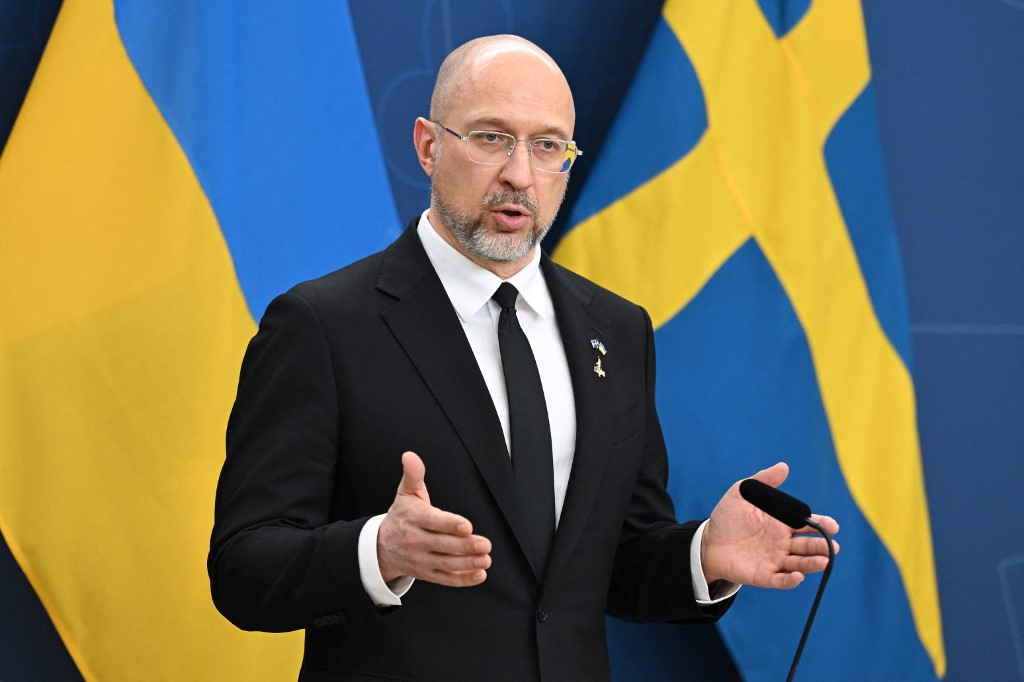
As the chill of autumn begins to creep across Eastern Europe, a more profound and existential cold threatens Ukraine: the prospect of another winter with a crippled energy grid. First Vice Prime Minister and Minister of Energy Denys Shmyhal has issued a stark warning, declaring that the nation urgently requires at least €5.4 billion to fortify its energy system against potential attacks and ensure heating and power for its citizens. This colossal sum underscores the devastating impact of the ongoing conflict on critical infrastructure, transforming energy resilience into a matter of national survival and a crucial front in the broader geopolitical struggle.
The recent 'Energy Ramstein' conference in Kyiv, a vital gathering of international partners, saw pledges of approximately €100 million directed towards the Energy Support Fund. While a welcome injection of aid, this amount represents a mere fraction – less than 2% – of the total estimated need. The gaping financial chasm highlights the immense scale of the reconstruction and protection efforts required, emphasizing that Ukraine's energy crisis is not just a domestic issue but a global concern demanding sustained and substantial international solidarity.
The Devastation and the Looming Winter Threat
The past two winters have seen Ukraine's energy infrastructure systematically targeted, with missile and drone attacks causing widespread blackouts and humanitarian crises. The intentional destruction of power plants, substations, and transmission lines has left millions without electricity, heating, and water during freezing temperatures. This deliberate strategy aims to break the will of the Ukrainian people and destabilize the country's economy. The damage is not merely superficial; it involves complex, high-voltage equipment that is expensive to replace and requires specialized expertise and long lead times for procurement.
According to Shmyhal, the €5.4 billion figure is not an arbitrary estimate but a calculated assessment based on the extensive damage sustained and the proactive measures needed to enhance resilience. This includes repairing damaged facilities, acquiring spare parts, strengthening physical protection against future attacks, and decentralizing the energy supply where possible. The goal is not just to restore but to rebuild a more robust and adaptable system capable of withstanding future aggression. The upcoming winter is anticipated to be another period of intense pressure, and without adequate preparations, the humanitarian consequences could be dire, potentially leading to increased internal displacement and further strain on neighboring countries.
The 'Energy Ramstein' and the International Response
The 'Energy Ramstein' conference, formally known as the Ukraine Energy Coordination Group (UECG), serves as a critical platform for rallying international support for Ukraine's energy sector. Modeled after the defense coordination meetings at Ramstein Air Base, it brings together ministers, international organizations, and financial institutions to coordinate aid and strategic planning. The pledges made at the recent Kyiv meeting, while significant in their intent, reveal the stark reality of the funding gap. Participants included representatives from the European Commission, the Energy Community Secretariat, the World Bank, the European Bank for Reconstruction and Development (EBRD), and various national governments.
Minister Shmyhal expressed gratitude for the committed funds, acknowledging their importance for immediate repairs and procurement. However, he also underscored the urgency of securing the remaining billions. The international community's response has been multifaceted, involving direct financial aid, equipment donations, and technical assistance. For instance, countries like Germany, the United States, and Norway have been prominent donors, providing generators, transformers, and other vital components. Yet, the sheer scale of the destruction means that these efforts, while commendable, are still playing catch-up with the ongoing needs. The challenge is not just about money; it's about the logistical complexities of delivering and installing specialized equipment in a war zone.
Strategic Importance of Energy Resilience
Energy resilience in Ukraine extends far beyond simply keeping the lights on; it is inextricably linked to national security, economic stability, and the morale of the population. A functioning energy grid is essential for:
* Maintaining Public Services: Hospitals, schools, water treatment plants, and communication networks all rely on a stable power supply. * Supporting the Economy: Businesses, from agriculture to manufacturing, cannot operate without reliable energy, impacting livelihoods and tax revenues. * Sustaining Civilian Life: Heating homes in winter is a basic necessity, and its absence can lead to widespread suffering and health crises. * Bolstering Defense Capabilities: Military operations, logistics, and command centers require uninterrupted power. * Preventing Mass Displacement: A collapse of essential services could trigger a new wave of internal and external refugees, exacerbating humanitarian challenges.
Furthermore, Ukraine's energy system was historically integrated with Russia's, making the current efforts not just about repair but about a fundamental reorientation towards European energy standards and greater independence. This strategic shift is a long-term goal that requires substantial investment and international cooperation, moving away from reliance on former Soviet-era infrastructure and practices.
The Path Forward: Collaboration and Innovation
Addressing the €5.4 billion funding gap requires a concerted and innovative approach from the international community. This includes:
* Increased Financial Commitments: Direct grants and low-interest loans from international financial institutions and donor countries are paramount. * Private Sector Engagement: Encouraging private companies to invest in Ukraine's energy sector, perhaps through risk-sharing mechanisms or guarantees, could unlock significant capital. * Equipment Donations and Logistics: Streamlining the process for donating and transporting heavy equipment, such as transformers and generators, is crucial. * Technical Expertise and Training: Providing Ukrainian engineers and technicians with advanced training in grid repair and modernization is vital for long-term sustainability. * Decentralization and Renewable Energy: Investing in distributed generation, including solar and wind power, can make the grid less vulnerable to centralized attacks and align with broader European energy transition goals.
The focus is not solely on traditional fossil fuel infrastructure but also on building a more modern, resilient, and sustainable energy future for Ukraine. This dual approach addresses immediate needs while laying the groundwork for post-conflict recovery and integration into the European energy market.
Conclusion: A Test of Global Resolve
Ukraine's plea for €5.4 billion for its winter energy preparations is more than a financial request; it is a critical test of global resolve and commitment to supporting a nation under siege. The humanitarian stakes are incredibly high, and the geopolitical implications are profound. A stable, functioning energy system in Ukraine is not just vital for its own people but also for the broader security and stability of Europe. The international community has demonstrated unprecedented unity in supporting Ukraine, and now, as winter approaches, that unity must translate into concrete, substantial action to ensure that the lights, and hope, remain on in Ukraine. The coming months will reveal whether the world can meet this monumental challenge, transforming pledges into tangible protection against the cold and darkness of war.
Stay Informed
Get the world's most important stories delivered to your inbox.
No spam, unsubscribe anytime.
Comments
No comments yet. Be the first to share your thoughts!