UK's Pragmatic Pivot: Navigating Volatility with Closer EU Ties
Amidst a volatile global landscape marked by the Ukraine war and economic instability, the UK is adopting a "ruthlessly pragmatic" approach to its relationship with the European Union. This strategic shift aims to foster closer cooperation and stability, moving beyond post-Brexit tensions. The move signals a recognition of shared challenges and the imperative for collective action in an increasingly unpredictable world, raising questions about the long-term implications for both sides.
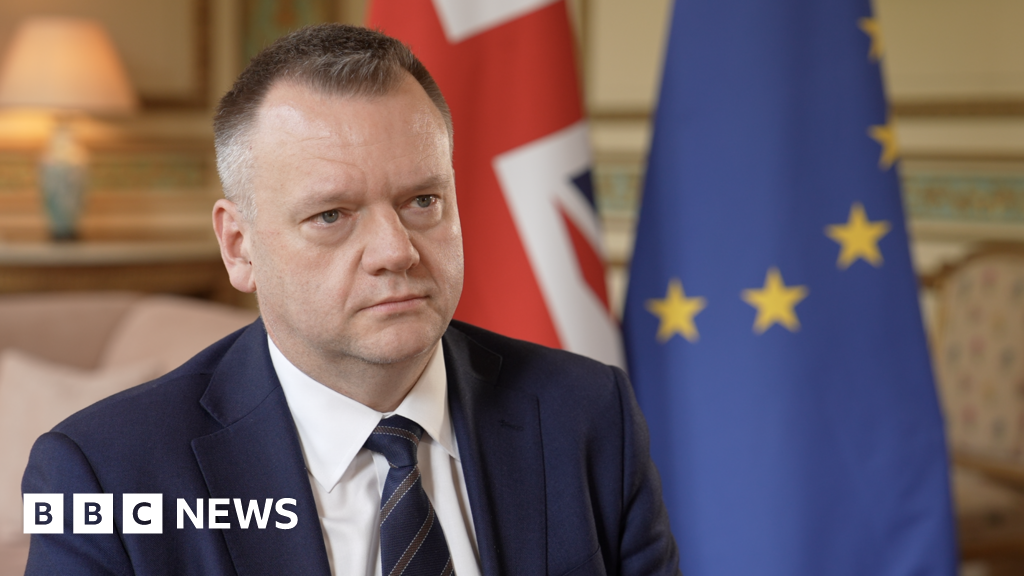
The geopolitical landscape is shifting with unprecedented speed, forcing nations to re-evaluate long-held stances and forge new alliances. At the heart of this recalibration is the United Kingdom, which, after years of navigating the complexities of Brexit, is now signaling a profound and "ruthlessly pragmatic" desire for closer ties with its European neighbors. This strategic pivot, articulated by the UK's EU minister, comes at a time of immense global volatility, characterized by the ongoing war in Ukraine, escalating energy prices, and a strained global economy.
A World in Flux: The Catalyst for Change
The backdrop to this re-engagement is stark. Europe is entering the fifth year of the most significant conflict on its soil since World War Two, a brutal war in Ukraine that has reshaped international relations and exposed vulnerabilities in energy supply chains. The repercussions are felt globally, from soaring petrol prices to disrupted supply chains and inflationary pressures that are straining household budgets and corporate bottom lines across continents. The International Monetary Fund (IMF) has repeatedly warned of a "fragile and uncertain" global economic outlook, underscoring the need for international cooperation.
For the UK, the immediate post-Brexit era was dominated by efforts to forge a new independent global role, often emphasizing divergence from EU regulations. However, the sheer scale of current global challenges appears to have prompted a re-evaluation. The concept of "global Britain" now seems to be evolving to include a stronger, more stable relationship with its closest trading partners and allies. This isn't merely about economics; it's about collective security, climate action, and managing shared threats that transcend national borders.
The Pragmatic Turn: Beyond Ideology
The phrase "ruthlessly pragmatic" is key to understanding the current British approach. It suggests a move away from the ideological battles that defined the Brexit debate and towards a more results-oriented foreign policy. This pragmatism is likely driven by several factors:
* Economic Imperatives: The EU remains the UK's largest trading partner. Streamlining trade, reducing friction, and aligning on certain standards could significantly boost economic growth for both sides. The Office for Budget Responsibility (OBR) has consistently highlighted the long-term economic drag of Brexit on UK growth, making any reduction in trade barriers attractive. * Geopolitical Stability: In the face of Russian aggression and rising global instability, a united European front – including the UK – presents a more formidable deterrent and a stronger voice on the international stage. Cooperation on defense, intelligence sharing, and sanctions enforcement is paramount. * Shared Challenges: Issues like climate change, cybersecurity, and migration require coordinated international responses. The UK and EU share fundamental values and face similar challenges, making collaborative solutions more effective than isolated national efforts.
This shift doesn't necessarily mean rejoining the EU or even the single market. Instead, it points towards targeted agreements and closer working relationships on specific issues where mutual benefit is clear. Think of it as a series of bespoke partnerships rather than a grand re-integration.
Potential Areas of Collaboration
Several areas stand out as ripe for enhanced cooperation:
* Security and Defense: The war in Ukraine has underscored the importance of European security. The UK, a major military power and NATO member, can play a crucial role alongside EU states in deterring aggression and supporting Ukraine. This could involve deeper intelligence sharing, joint military exercises, and coordinated defense procurement. * Trade and Regulatory Alignment: While full alignment might be off the table, pragmatic solutions for reducing trade barriers, particularly for goods, could be explored. This might involve mutual recognition of standards in specific sectors or streamlined customs procedures. The Windsor Framework, addressing Northern Ireland protocol issues, is often cited as a model for practical problem-solving. * Climate Change and Energy Security: Both the UK and EU are committed to ambitious climate targets. Collaborating on renewable energy projects, carbon capture technologies, and developing resilient energy grids could benefit all. The current energy crisis has highlighted the interconnectedness of European energy markets. * Research and Innovation: Rejoining programs like Horizon Europe, or establishing similar collaborative research frameworks, would benefit scientific advancement and economic competitiveness across the continent. The UK has a strong research base, and its exclusion from such programs has been a point of contention.
The Cost and the Compromise: Navigating the Path Forward
While the desire for closer ties is evident, the question of "at what cost?" looms large. Any deeper engagement will inevitably involve compromises from both sides. For the UK, this might mean accepting some level of alignment with EU standards or regulations in specific areas, potentially challenging the notion of complete sovereignty that underpinned the Brexit campaign. For the EU, it means engaging with a former member that chose to leave, balancing the desire for cooperation with the need to protect the integrity of its own single market and institutions.
Public opinion in the UK has also shown a gradual shift, with recent polls indicating a growing number of people believing Brexit was a mistake, though support for rejoining remains lower. This evolving domestic context provides some political space for the government to pursue a more conciliatory approach.
Ultimately, this pragmatic pivot is a recognition that in a world defined by polycrisis – simultaneous and interconnected global challenges – isolation is not a viable strategy. The path forward will be complex, requiring deft diplomacy, a willingness to compromise, and a clear-eyed focus on shared interests over past grievances. The UK and EU, bound by geography, history, and shared values, appear to be entering a new, more constructive chapter in their relationship, driven by the urgent realities of a volatile world.
Stay Informed
Get the world's most important stories delivered to your inbox.
No spam, unsubscribe anytime.
Comments
No comments yet. Be the first to share your thoughts!