Unlocking Your Vehicle's Secrets: The Rise of Browser-Based CAN Bus Analyzers
Modern vehicles are complex networks of data, constantly communicating through their Controller Area Network (CAN) bus systems. Traditionally, accessing this vital information required specialized, often expensive, hardware and software. Now, a new generation of browser-based CAN bus analyzers is democratizing vehicle diagnostics, offering unprecedented access to automotive data for enthusiasts, mechanics, and developers alike. This innovation promises to transform how we understand, maintain, and even customize our cars, trucks, and tractors.
The Silent Language of Modern Vehicles: Understanding the CAN Bus
Every modern car, truck, and even tractor is a marvel of engineering, a symphony of interconnected systems working in harmony. Beneath the sleek exteriors and powerful engines, a silent, high-speed conversation is constantly taking place. This conversation happens over the Controller Area Network (CAN) bus, a robust vehicle bus standard designed to allow microcontrollers and devices to communicate with each other in applications without a host computer. From your engine's RPM to the status of your anti-lock brakes, from climate control settings to power window operations, virtually every electronic component in your vehicle is sending and receiving data packets across one or more CAN bus lines.
For decades, understanding this intricate data flow was largely the domain of professional mechanics and automotive engineers, armed with proprietary diagnostic tools costing thousands of dollars. These tools, while effective, created a barrier between vehicle owners and the rich diagnostic information their cars were constantly generating. However, a significant shift is underway, driven by technological advancements and a growing desire for transparency and control over personal vehicles. The advent of browser-based CAN bus analyzers is poised to revolutionize how we interact with our automotive companions.
Democratizing Diagnostics: How Browser-Based Analyzers Work
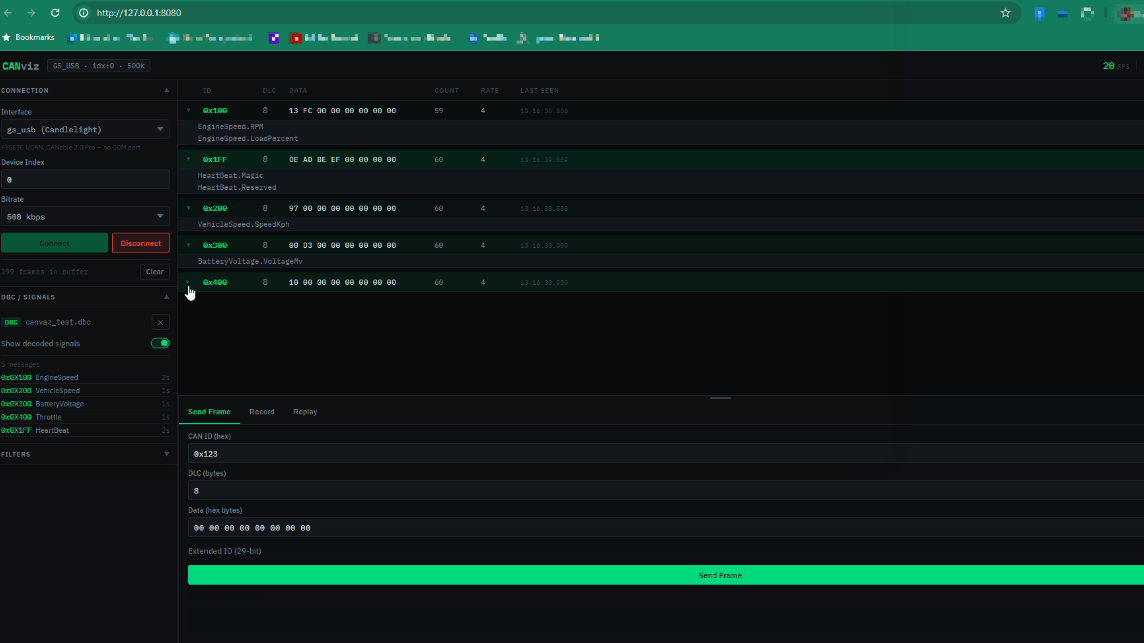
Imagine plugging a small device into your vehicle's OBD-II port – the standard diagnostic connector found in all vehicles manufactured after 1996 – and instantly gaining access to real-time data streams through a simple web interface on your laptop or smartphone. This is the promise delivered by browser-based CAN bus analyzers. Unlike their traditional counterparts, which often require dedicated software installations and specific operating systems, these new tools leverage the ubiquitous power of web browsers.
At their core, these analyzers consist of a hardware interface that connects to the vehicle's CAN bus and a small, embedded web server or a gateway that streams data to a client-side application running in a browser. This means compatibility across various operating systems – Windows, macOS, Linux, Android, iOS – as long as you have a modern web browser. The data, often presented in user-friendly dashboards, can reveal a wealth of information:
* Engine performance metrics: RPM, coolant temperature, fuel pressure, air intake, throttle position. * Sensor readings: Wheel speed, steering angle, ambient temperature, oxygen sensor data. * Module status: Error codes (DTCs), battery voltage, transmission gear, light status. * Diagnostic trouble codes (DTCs): Detailed explanations of faults, aiding in quicker troubleshooting.
This accessibility is a game-changer. No longer are users tied to a specific brand of diagnostic tool or a particular operating system. The flexibility offered by a browser-based approach means that anyone with a basic understanding of their vehicle and a desire to learn can delve into its digital heartbeat.
Beyond Troubleshooting: Applications and Implications
While troubleshooting is a primary application, the utility of browser-based CAN bus analyzers extends far beyond diagnosing a check engine light. Their implications are vast and touch upon several key areas:
* DIY Mechanics and Enthusiasts: Empowering individuals to perform their own diagnostics, understand vehicle behavior, and even fine-tune certain parameters (with caution and expertise). This can lead to significant savings on garage bills and a deeper connection with their vehicle. * Automotive Development and Prototyping: For engineers and hobbyists building custom automotive projects, these tools provide an invaluable window into vehicle systems, allowing for rapid prototyping and integration of new components. They can monitor how new sensors or control units interact with the existing CAN network. * Fleet Management: Companies managing large fleets of vehicles can use these tools for real-time monitoring of vehicle health, predictive maintenance, and optimizing operational efficiency. Data on fuel consumption, driver behavior, and component wear can be collected and analyzed remotely. * Security Research: Understanding the CAN bus is also crucial for automotive cybersecurity researchers. By analyzing CAN traffic, vulnerabilities can be identified and addressed, making vehicles more secure against potential attacks.
However, this increased accessibility also comes with responsibilities. Tampering with critical vehicle systems without proper knowledge can be dangerous, potentially leading to vehicle malfunction or safety hazards. Manufacturers are also constantly evolving their CAN bus implementations, sometimes adding encryption or proprietary protocols, which can pose challenges for third-party analysis.
The Future of Vehicle Interactivity: Connectivity and Customization
The trajectory of browser-based CAN bus analyzers points towards an even more integrated and interactive future for vehicle ownership. As vehicles become increasingly connected – with 5G, V2X (Vehicle-to-Everything) communication, and advanced telematics – the ability to interpret and interact with their internal networks will become paramount. We can anticipate:
* Enhanced User Interfaces: More intuitive and visually rich dashboards, perhaps even augmented reality overlays, providing contextual information about vehicle components. * Cloud Integration: Seamless uploading of diagnostic data to cloud platforms for long-term analysis, predictive maintenance algorithms, and sharing with trusted mechanics. * Open-Source Development: A flourishing ecosystem of open-source tools and community-driven projects that further expand the capabilities and applications of CAN bus analysis. * Personalized Driving Experiences: The potential for greater customization of vehicle settings, from performance characteristics to infotainment systems, all based on real-time CAN bus data.
The democratization of CAN bus access through browser-based tools represents a significant leap forward in automotive technology. It shifts power from exclusive dealerships and specialized workshops into the hands of a broader audience, fostering innovation, transparency, and a deeper understanding of the complex machines we rely on every day. As these tools evolve, they will undoubtedly continue to reshape our relationship with our vehicles, moving us towards a future where driving is not just about getting from point A to point B, but also about understanding and optimizing the journey itself. The silent language of the CAN bus is finally finding its voice, and it's speaking directly to us, in our browsers.
Stay Informed
Get the world's most important stories delivered to your inbox.
No spam, unsubscribe anytime.
Comments
No comments yet. Be the first to share your thoughts!