U.S. and Iran Maintain Fragile Dialogue Amidst Islamabad Tensions
High-stakes talks between U.S. and Iranian officials in Islamabad concluded without a major breakthrough, yet sources indicate a crucial line of communication remains open. Despite deep-seated disagreements and a history of animosity, both sides appear committed to preventing further escalation through continued, albeit tense, dialogue.
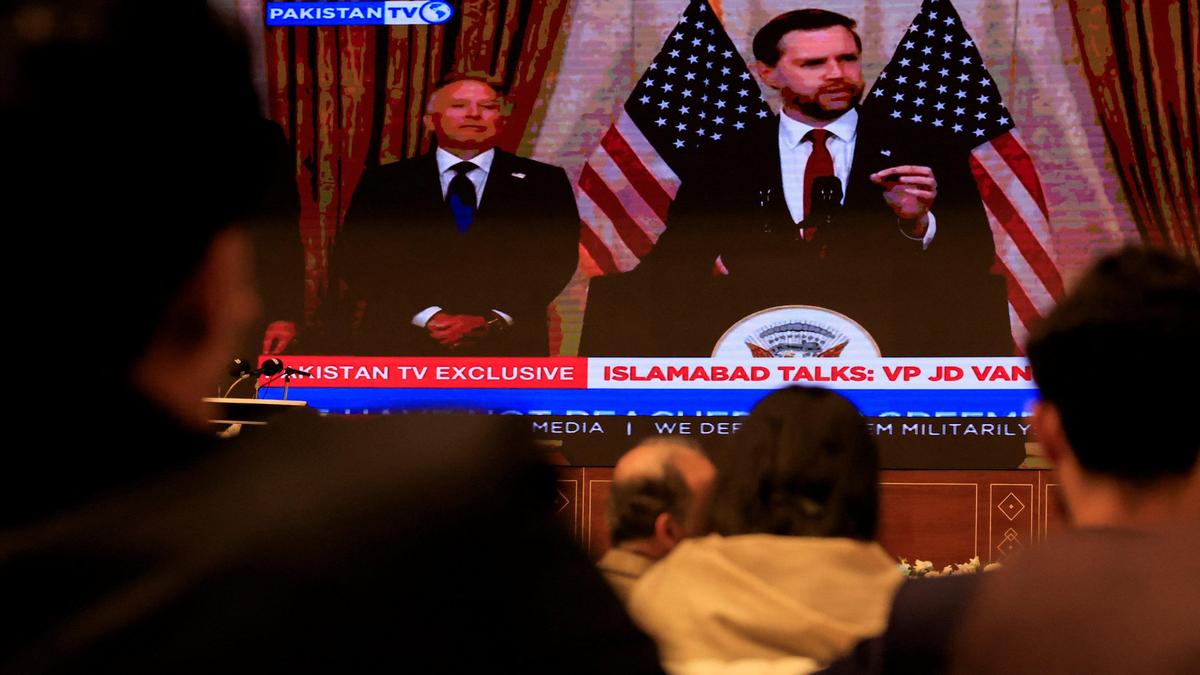
ISLAMABAD – In a diplomatic maneuver that underscored the enduring complexities of their relationship, officials from the United States and Iran concluded their highest-level talks in decades this past weekend in Pakistan's capital, Islamabad. While a significant breakthrough remained elusive after what sources described as a "sleepless and at times tense night," the mere continuation of dialogue has been hailed by some as a cautious victory amidst escalating regional tensions.
Eleven sources familiar with the negotiations, speaking anonymously due to the sensitive nature of the discussions, confirmed that despite the palpable friction, the channels for communication remain open. This outcome, though modest, offers a glimmer of hope in a relationship long characterized by mutual suspicion, proxy conflicts, and a profound lack of direct engagement.
The meeting, meticulously orchestrated and shrouded in secrecy, represented a rare moment of direct contact between the two adversaries. For years, interactions have largely been mediated or occurred on the sidelines of multilateral forums. The decision to meet in Islamabad, a nation with complex ties to both Washington and Tehran, highlights the delicate balancing act required to even bring these two parties to the table.
Analysts suggest the absence of a dramatic collapse, coupled with the commitment to further discussion, indicates a mutual recognition of the perils of unchecked escalation. Both nations face domestic and international pressures that necessitate a degree of stability, or at least predictability, in their interactions. For the U.S., the focus remains on regional security, nuclear non-proliferation, and maritime safety in the Persian Gulf. For Iran, navigating crippling sanctions and asserting its regional influence are paramount concerns.
Historically, U.S.-Iran relations have been a rollercoaster of diplomatic highs and devastating lows, from the 1979 revolution and hostage crisis to the landmark 2015 nuclear deal (JCPOA), which the U.S. unilaterally withdrew from in 2018. The current state of affairs is a direct consequence of that withdrawal, leading to renewed sanctions, increased Iranian nuclear activity, and heightened military posturing in the region.
"The fact that they are talking at all, even without a grand declaration, is significant," commented Dr. Aisha Khan, a geopolitical expert based in London. "It suggests a pragmatic understanding that while their core disagreements are profound, neither side desires an all-out confrontation. The challenge now is to translate this fragile dialogue into concrete steps that can de-escalate tensions and build a modicum of trust."
The path forward is fraught with obstacles. Deep ideological divides, conflicting regional interests, and the inherent distrust cultivated over decades will continue to test any diplomatic overtures. However, the Islamabad talks, by not slamming the door shut, have at least kept the possibility of a less volatile future alive. The world watches closely, hoping this fragile thread of communication can withstand the immense pressures it faces.
Stay Informed
Get the world's most important stories delivered to your inbox.
No spam, unsubscribe anytime.
Comments
No comments yet. Be the first to share your thoughts!