US Destroyer Intercepts Iranian Tankers: Escalating Tensions in the Persian Gulf
A US destroyer successfully interdicted two oil tankers attempting to depart Iran on April 14, just one day after a new US naval blockade came into effect. This incident marks a significant escalation in regional tensions, highlighting the immediate impact of the blockade on Iranian oil exports. The confrontation underscores the high stakes involved as international powers navigate the volatile geopolitics of the Persian Gulf.
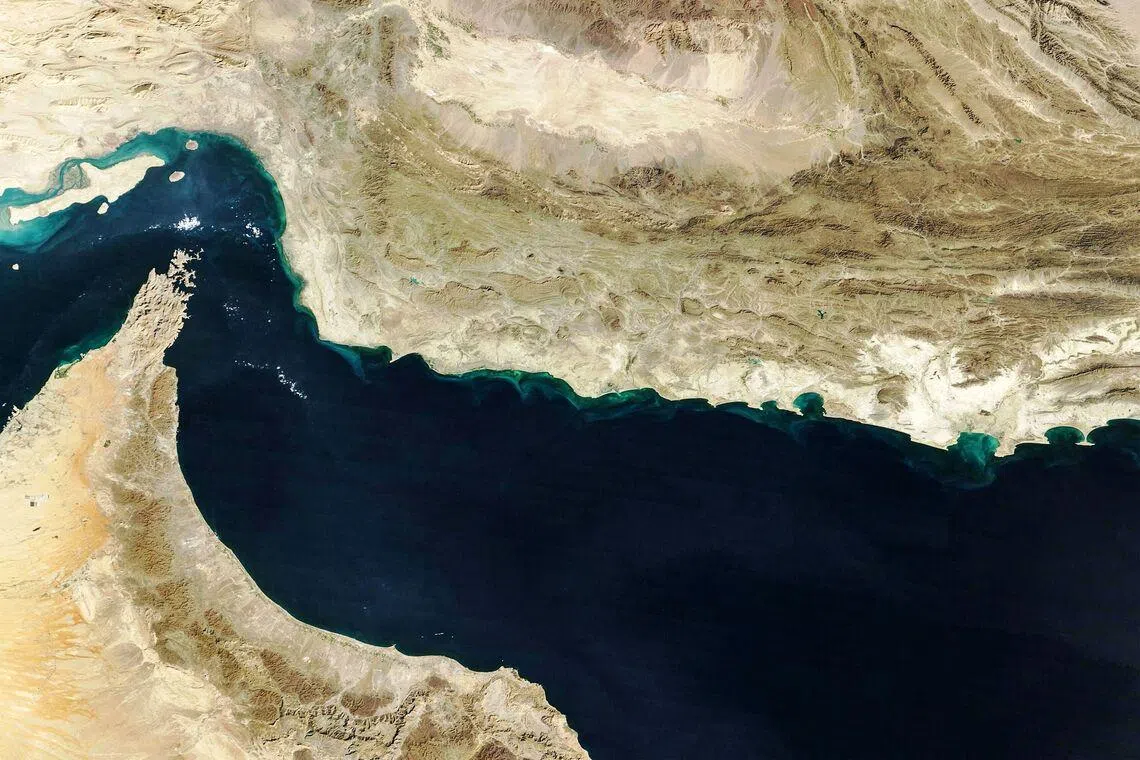
The tranquil waters of the Persian Gulf, a vital artery for global energy supply, were once again the stage for a dramatic confrontation on April 14. A United States Navy destroyer successfully interdicted two oil tankers attempting to leave Iranian ports, compelling them to reverse course. This assertive action, confirmed by a US official, occurred barely 24 hours after a newly imposed US naval blockade targeting Iranian oil exports officially went into effect. The incident sends an unmistakable message about the Trump administration's resolve to enforce its sanctions regime, plunging an already volatile region deeper into uncertainty and raising serious questions about the potential for further escalation.
The Blockade: A New Chapter in Sanctions Enforcement
The US decision to implement a naval blockade represents a significant hardening of its stance against Iran. For years, Washington has employed economic sanctions to pressure Tehran over its nuclear program, ballistic missile development, and regional proxy activities. However, the move to physically interdict vessels marks a qualitative shift, moving beyond financial penalties to direct maritime enforcement. This strategy aims to choke off Iran's primary source of revenue – oil exports – thereby intensifying economic hardship and, presumably, forcing a change in the regime's behavior. The timing of the interdiction, so swiftly following the blockade's activation, was no coincidence; it was a clear demonstration of intent and capability.
Historically, naval blockades are acts of war or precursors to conflict, designed to isolate an adversary. While the US has framed this as an enforcement of sanctions, the practical implications are undeniably escalatory. It places US naval assets in direct confrontation with vessels under Iranian jurisdiction or those attempting to circumvent sanctions, creating a high-risk environment where miscalculations could have severe consequences. The international community watches with bated breath, as the delicate balance of power in the Gulf threatens to unravel.
Geopolitical Chessboard: Iran's Response and Regional Implications
Iran's reaction to the blockade and the subsequent interdiction has been predictably defiant. Tehran has consistently condemned US sanctions as illegal and a violation of international law, vowing to continue its oil exports "by any means necessary." While specific details of the tankers' origins or destinations remain undisclosed, their attempt to depart suggests an immediate challenge to the blockade's efficacy. Iran's naval forces, including its Revolutionary Guard Corps, have a history of assertive actions in the Strait of Hormuz, the narrow chokepoint through which much of the world's oil passes. The potential for a direct confrontation between Iranian and US naval assets in this critical waterway is a constant, chilling possibility.
The broader regional implications are equally concerning. Gulf Arab states, particularly Saudi Arabia and the UAE, are staunch US allies and share Washington's concerns about Iranian influence. However, they also bear the brunt of any instability in the region. An escalation of tensions could: * Disrupt global oil supplies, leading to price spikes. * Threaten shipping lanes, impacting international trade. * Fuel proxy conflicts in Yemen, Iraq, and Syria.
Furthermore, the incident complicates efforts by European powers to salvage the Joint Comprehensive Plan of Action (JCPOA), the 2015 nuclear deal from which the US unilaterally withdrew. European nations have sought to create special financial mechanisms to allow legitimate trade with Iran, but a naval blockade directly undermines these efforts, pushing Iran further away from the deal's framework.
International Law and the Legality of Blockades
The legality of the US naval blockade, particularly in peacetime, is a contentious issue under international law. While the United Nations Charter allows for self-defense, a blockade against a sovereign nation without a UN Security Council resolution or a declared state of war is generally viewed as a highly aggressive act. The US justifies its actions under the umbrella of enforcing its unilateral sanctions, arguing that Iran's actions, such as its nuclear program and support for terrorism, pose a threat to international peace and security.
However, critics argue that such unilateral enforcement undermines the international legal order and sets a dangerous precedent. The principle of freedom of navigation is a cornerstone of maritime law, and any impediment to it is viewed with serious concern by the global shipping industry and many nations. The US position is that these are not traditional blockades but rather targeted interdictions to enforce specific sanctions, a distinction that may be lost on those directly affected by the actions.
Economic Fallout and Humanitarian Concerns
The economic impact of a full-scale oil blockade on Iran would be severe. Oil revenues constitute a significant portion of Iran's national budget, funding essential services and development projects. A drastic reduction in these revenues would exacerbate an already struggling economy, marked by high inflation and unemployment. The Iranian Rial has plummeted in value, and the cost of living has soared, leading to widespread public discontent.
While the stated aim of sanctions is to pressure the regime, the primary victims are often the ordinary citizens. Humanitarian organizations have voiced concerns about the impact of sanctions on access to medicine and essential goods, despite carve-outs for humanitarian trade. A naval blockade, by its very nature, can impede the flow of all goods, raising fears of a humanitarian crisis. The international community faces the delicate task of balancing geopolitical objectives with the imperative to prevent widespread suffering.
The Path Forward: Diplomacy or Deterioration?
The interdiction of the two Iranian tankers serves as a stark reminder of the volatile situation in the Persian Gulf. The immediate future appears to be a tightrope walk between diplomatic efforts and the potential for military confrontation. The US strategy seems predicated on the belief that maximum pressure will eventually bring Iran to the negotiating table on terms favorable to Washington. However, Iran's history suggests a strong resistance to external pressure, often responding with defiance and strategic maneuvering.
Possible scenarios include: * Further interdictions: The US Navy continues to enforce the blockade, leading to more confrontations. * Iranian retaliation: Iran could respond by harassing shipping in the Strait of Hormuz or targeting regional adversaries. * International mediation: European powers or other nations might intensify diplomatic efforts to de-escalate. * Accidental escalation: A minor incident could quickly spiral out of control, leading to a broader conflict.
The world watches anxiously as the US and Iran navigate this perilous phase. The interdiction of the tankers is not merely an isolated incident but a potent symbol of the escalating tensions, underscoring the urgent need for de-escalation and a diplomatic resolution to prevent a catastrophic conflict in one of the world's most critical regions.
Stay Informed
Get the world's most important stories delivered to your inbox.
No spam, unsubscribe anytime.
Comments
No comments yet. Be the first to share your thoughts!