US-Iran Diplomacy: A Precarious Path to a 'Grand Bargain' Amidst Oil Price Volatility
Hopes for renewed US-Iran peace talks are rising, despite Tehran's initial denial of new discussions. Former President Trump's suggestion of imminent talks and Senator Vance's advocacy for a 'grand bargain' signal a potential shift in diplomatic strategy. The global oil market, highly sensitive to geopolitical tensions in the Middle East, is closely watching these developments. This article explores the complex history, current dynamics, and potential implications of these high-stakes negotiations for regional stability and global energy prices.
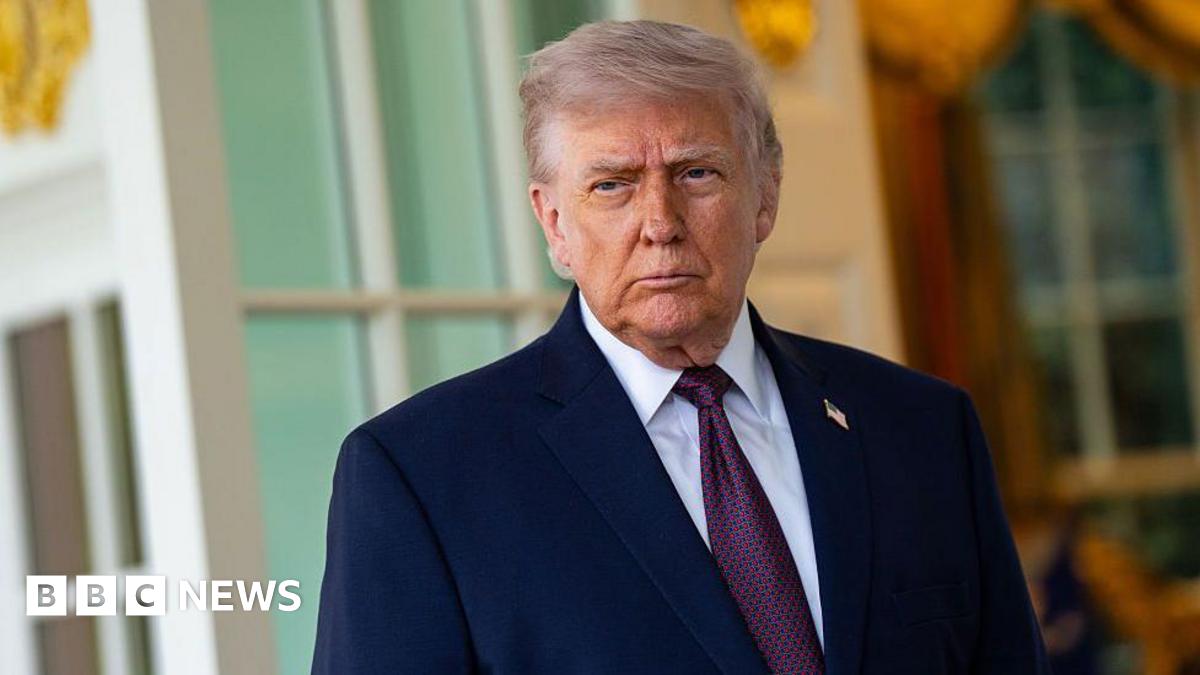
The geopolitical chessboard of the Middle East is once again alight with speculation, as whispers of renewed US-Iran peace talks emerge, casting a complex shadow over global oil markets. Despite Tehran's initial denial of any concrete agreement for further discussions, the prospect of diplomacy, however fragile, has sent ripples of cautious optimism through international corridors. At the heart of this renewed hope is a suggestion from former President Donald Trump that talks could restart “in the next two days,” coupled with Senator J.D. Vance's assertion that the US is seeking a “grand bargain” with the Islamic Republic. This confluence of statements, though met with skepticism by some, underscores the enduring, yet often fraught, desire for de-escalation in one of the world's most volatile regions.
The Shifting Sands of Diplomacy: From Confrontation to Conciliation?
The relationship between the United States and Iran has been characterized by decades of mistrust, punctuated by periods of intense confrontation and fleeting moments of diplomatic engagement. The 2015 Joint Comprehensive Plan of Action (JCPOA), commonly known as the Iran nuclear deal, represented a landmark, albeit controversial, effort to curb Iran's nuclear ambitions in exchange for sanctions relief. Its unilateral withdrawal by the Trump administration in 2018 plunged the relationship into a new era of 'maximum pressure,' leading to heightened tensions, military standoffs, and proxy conflicts across the region. The current administration has, at various points, expressed a desire to return to a modified version of the deal, but progress has been elusive.
Now, the narrative appears to be shifting, or at least being tested. Trump's recent comments, delivered from a position of influence and potential future leadership, carry significant weight. His administration's initial approach was one of aggressive isolation, but even then, there were back-channel communications and occasional overtures. Senator Vance's articulation of a “grand bargain” suggests a more comprehensive approach, moving beyond just nuclear issues to encompass regional security, ballistic missile programs, and perhaps even human rights. Such a deal would be monumental, requiring significant concessions from both sides and a fundamental re-evaluation of long-held positions.
However, the path to any agreement is fraught with obstacles. Iran's Foreign Ministry has stated there is “no information” about any agreement for further discussions, a clear indication of the deep chasm that still exists. This public denial could be a negotiating tactic, an attempt to manage domestic expectations, or a genuine reflection of the lack of formal arrangements. The memory of previous failed attempts, and the deep-seated ideological differences, mean that any progress will be painstakingly slow and susceptible to collapse at any moment.
Oil Markets on Edge: The Geopolitical Premium
One of the most immediate and tangible impacts of these diplomatic overtures is felt in the global oil markets. Today, oil prices remained steady in Asian trade, a direct reflection of the growing hopes for peace talks. The Middle East, home to a significant portion of the world's proven oil reserves and crucial shipping lanes, is inherently linked to global energy security. Any hint of instability or, conversely, de-escalation, sends tremors through commodity exchanges.
* Supply Security: A major concern for oil markets is the security of supply from the Persian Gulf. Tensions with Iran have historically led to fears of disruptions to oil shipments through the Strait of Hormuz, a vital chokepoint for global oil trade. Reduced tensions could alleviate these fears, potentially increasing supply stability. * Sanctions Relief: A 'grand bargain' could involve significant sanctions relief for Iran, potentially allowing it to increase its oil exports. Iran possesses the world's fourth-largest proven crude oil reserves and the second-largest natural gas reserves. An increase in Iranian oil supply could put downward pressure on global prices, a welcome development for energy-consuming nations and a potential concern for OPEC+ members. * Geopolitical Risk Premium: For years, a 'geopolitical risk premium' has been baked into oil prices, reflecting the constant threat of conflict in the Middle East. Successful de-escalation could see this premium diminish, leading to a more stable and potentially lower price environment. Conversely, a breakdown in talks could see prices surge.
The current stability in oil prices, therefore, is less a sign of market complacency and more an indicator of the market's acute sensitivity to diplomatic signals. Traders are keenly watching for any concrete signs of progress, understanding that the stakes for global energy supply are immense.
The 'Grand Bargain' Concept: What Could It Entail?
Senator Vance's mention of a “grand bargain” is particularly intriguing. This term implies a comprehensive agreement that addresses a multitude of contentious issues, rather than focusing solely on the nuclear program. Historically, such grand bargains are exceedingly difficult to achieve, requiring immense political will and a willingness to compromise on core national interests.
Key elements of a potential grand bargain could include:
* Nuclear Program: Permanent restrictions and enhanced inspections on Iran's nuclear enrichment capabilities, going beyond the original JCPOA's sunset clauses. * Ballistic Missile Program: Limitations on Iran's development and proliferation of ballistic missiles, a major point of contention for the US and its regional allies. * Regional Influence: A reduction in Iran's support for proxy groups in Yemen, Lebanon, Syria, and Iraq, which are seen by the US and its allies as destabilizing forces. * Economic Sanctions: Significant and lasting relief from US and international sanctions, allowing Iran to reintegrate into the global economy. * Security Assurances: Guarantees for Iran's security, potentially including non-aggression pacts or regional security dialogues.
Such an agreement would be a diplomatic triumph of epic proportions, but the hurdles are formidable. Both sides harbor deep-seated grievances and distrust. Iran's leadership, particularly the hardliners, views its regional influence and missile program as non-negotiable aspects of its national security. The US, on the other hand, faces pressure from allies in the region, particularly Israel and Saudi Arabia, who are wary of any deal that does not fully neutralize Iran's perceived threats.
Implications for Regional Stability and Global Politics
The success or failure of these potential talks will have far-reaching implications beyond oil prices. A breakthrough could usher in a new era of regional stability, potentially paving the way for broader diplomatic engagement and economic cooperation. It could also recalibrate alliances and rivalries, forcing regional actors to adapt to a new geopolitical landscape.
Conversely, a collapse of talks could lead to renewed escalation, potentially pushing the region closer to conflict. The absence of a diplomatic off-ramp would leave confrontation as the primary mode of interaction, with unpredictable and potentially catastrophic consequences for global security and the world economy. The international community, therefore, has a vested interest in encouraging dialogue and finding common ground.
In conclusion, the current diplomatic murmurs represent a critical juncture. While Iran's public stance remains cautious, the very mention of renewed talks by influential figures like Trump and Vance signals a persistent desire, at least from some quarters, to find a path away from perpetual confrontation. The stakes are incredibly high: for the stability of the Middle East, for the global energy market, and for the future of international diplomacy. The coming days and weeks will be crucial in determining whether these fragile hopes can translate into concrete steps towards a truly 'grand bargain' or if they will, once again, dissipate into the complex geopolitical currents of the region.
Stay Informed
Get the world's most important stories delivered to your inbox.
No spam, unsubscribe anytime.
Comments
No comments yet. Be the first to share your thoughts!