US-Iran Tensions: Diplomacy's Perilous Path Amidst 'War Quagmire' Claims
As US envoys arrive in Pakistan for potential peace talks, Iran's defense ministry asserts America is seeking a 'face-saving' exit from a perceived war quagmire. The delicate diplomatic dance unfolds against a backdrop of escalating regional tensions and historical mistrust. This critical juncture could redefine geopolitical alignments in the Middle East and beyond, with global implications for stability and energy markets.
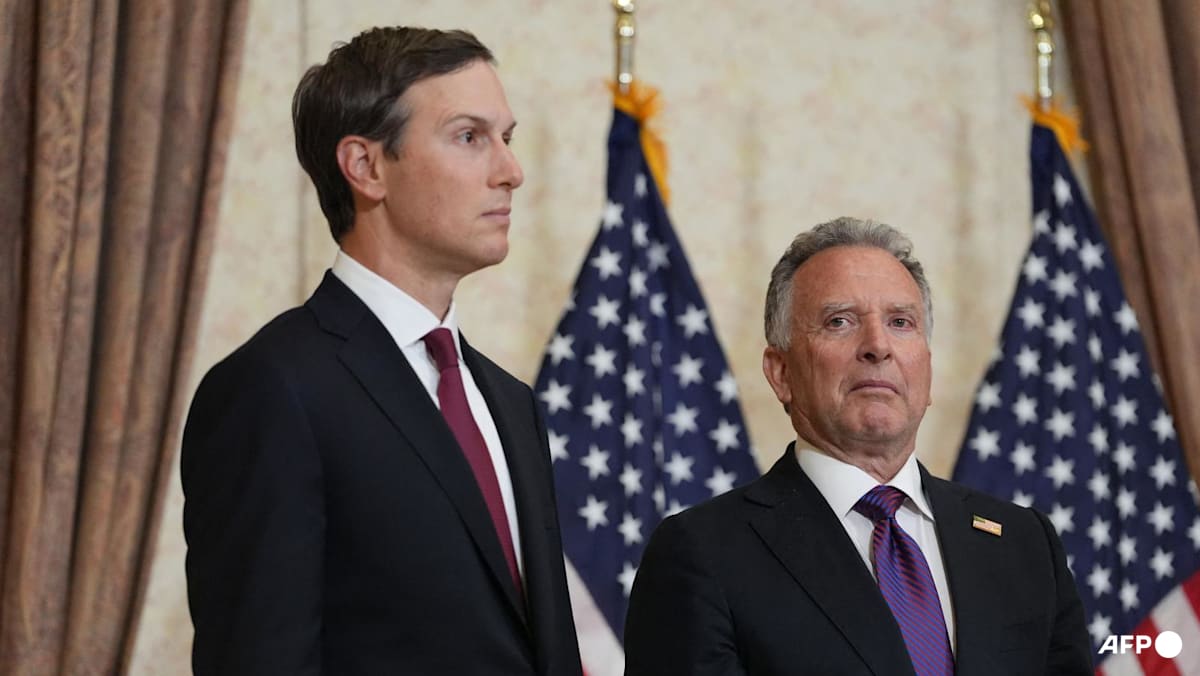
In a high-stakes diplomatic maneuver, US envoys touched down in Islamabad, Pakistan, on Saturday (Apr 25), ostensibly to initiate a new round of peace negotiations with Iran. This development, however, immediately encountered a significant hurdle, with Iranian state media reporting that Tehran's representatives had no immediate plans for face-to-face discussions. The backdrop to these tentative overtures is a chilling assessment from Iran's defense ministry, which bluntly stated that the United States is "looking for a face-saving way to escape the war quagmire it has become trapped in." This stark declaration underscores the profound mistrust and complex dynamics that define one of the world's most volatile geopolitical relationships.
The notion of a "war quagmire" is not merely rhetorical; it reflects a deeply entrenched perception within the Iranian establishment regarding America's protracted engagements in the Middle East. From the costly interventions in Iraq and Afghanistan to the ongoing proxy conflicts and sanctions regimes, Tehran views US policy as a series of missteps leading to strategic overextension. The current diplomatic push, therefore, is seen by some in Iran not as a genuine search for peace based on mutual respect, but as a pragmatic attempt by Washington to extricate itself from an untenable position. This perspective significantly complicates any path towards de-escalation, as it frames the negotiations not as a dialogue among equals, but as a concession forced by circumstance.
The Shifting Sands of Diplomacy: A Historical Perspective
The relationship between the United States and Iran has been characterized by cycles of confrontation and fleeting moments of engagement for over four decades. The 1979 Islamic Revolution severed diplomatic ties, ushering in an era of profound animosity. Key historical flashpoints include the Iran hostage crisis, the Iran-Iraq War (where the US covertly supported Iraq), and the discovery of Iran's nuclear program. Each event has layered mistrust upon mistrust, creating a deeply ingrained narrative of antagonism on both sides. The 2015 Joint Comprehensive Plan of Action (JCPOA), or Iran nuclear deal, represented a rare, albeit fragile, breakthrough, demonstrating that diplomacy, however arduous, was possible. However, the subsequent US withdrawal from the JCPOA in 2018 under the Trump administration, and the re-imposition of crippling sanctions, shattered that fragile trust and plunged relations back into a dangerous downward spiral.
Today's proposed talks, even if indirect, emerge from a period of heightened regional instability. The assassination of Qassem Soleimani, commander of the IRGC's Quds Force, by the US in January 2020, brought the two nations to the brink of open warfare. Subsequent attacks on oil facilities in Saudi Arabia, shipping in the Gulf, and proxy engagements in Yemen, Iraq, and Syria have kept tensions at a fever pitch. Against this backdrop, any diplomatic initiative, no matter how small, carries immense weight and is scrutinized for hidden agendas. The choice of Pakistan as a venue is also significant; Islamabad has historically maintained complex relationships with both Washington and Tehran, positioning itself as a potential, albeit delicate, mediator.
Iran's Stance: Calculation and Leverage
Iran's immediate reluctance to engage in direct talks is a calculated move. From Tehran's vantage point, the US withdrawal from the nuclear deal and its "maximum pressure" campaign have inflicted significant economic pain but have failed to achieve regime change or force Iran into capitulation. Instead, Iran has responded by increasing its uranium enrichment activities, developing its missile capabilities, and strengthening its regional network of allies. This strategy aims to demonstrate resilience and raise the costs of continued confrontation for the US and its regional partners.
The Iranian defense ministry's assertion of a US "quagmire" is a public relations victory for Tehran, designed to project an image of strength and strategic patience. It signals that Iran believes it holds a position of leverage, and that any negotiations must address its core grievances, including the lifting of sanctions and a return to the original terms of the JCPOA. By initially refusing direct talks, Iran is likely seeking to manage expectations, test the sincerity of US intentions, and potentially extract greater concessions before committing to a formal dialogue. This approach is consistent with Iran's historical negotiating tactics, which often involve protracted indirect engagement before any direct contact.
The US Dilemma: Balancing Pressure and Diplomacy
For the United States, the situation is fraught with challenges. The "maximum pressure" campaign, while economically impactful, has not yielded the desired political outcomes and has arguably pushed Iran closer to developing nuclear capabilities. Furthermore, the sustained tensions in the Middle East pose risks to global oil supplies, international shipping, and the security of US allies in the region. The domestic political landscape in the US also plays a role, with different factions advocating for either continued hardline pressure or a return to diplomatic engagement.
The current administration, regardless of its specific foreign policy leanings, faces the unenviable task of de-escalating a potentially catastrophic conflict while maintaining credibility with allies and adversaries alike. Sending envoys to Pakistan, even if talks remain indirect, signifies a recognition that a purely confrontational approach is unsustainable. However, the challenge lies in finding a diplomatic formula that satisfies Iran's demands for sanctions relief without appearing to reward its escalatory actions, and one that reassures regional partners like Saudi Arabia and Israel, who remain deeply skeptical of any rapprochement with Tehran. The "face-saving" aspect mentioned by Iran is precisely what the US will seek to avoid, aiming instead for a framework that can be presented as a strategic achievement rather than a retreat.
Implications and the Path Forward
The potential for renewed US-Iran talks, however tentative, carries profound implications for global stability. A successful de-escalation could pave the way for broader regional stability, reduce the risk of military conflict, and potentially ease pressures on global energy markets. Conversely, a failure to find common ground could lead to further escalation, with unpredictable consequences for the Middle East and beyond. The stakes are incredibly high, touching upon nuclear proliferation, regional proxy wars, and the future of international diplomacy.
Expert analysts suggest that any meaningful progress will require significant concessions from both sides. For the US, this likely means a willingness to discuss sanctions relief and a return to the JCPOA. For Iran, it may involve a commitment to greater transparency regarding its nuclear program and a reduction in its regional activities deemed destabilizing by its neighbors. The road ahead is undoubtedly long and arduous, paved with historical grievances and deep-seated mistrust. Yet, the mere act of sending envoys, however rebuffed initially, signals a glimmer of hope that even in the darkest of diplomatic impasses, a path towards dialogue, however perilous, might still exist. The world watches, holding its breath, as these two formidable powers navigate the treacherous waters of potential peace.
Stay Informed
Get the world's most important stories delivered to your inbox.
No spam, unsubscribe anytime.
Comments
No comments yet. Be the first to share your thoughts!