US Military Loosens Enlistment Rules Amid Recruitment Crisis: A New Era for Armed Forces?
Facing its most severe recruitment challenge in decades, the U.S. Army is implementing significant changes to its enlistment rules. Effective April 20, these adjustments include raising the maximum enlistment age to 42 and permitting individuals with single marijuana convictions. This strategic shift aims to broaden the pool of eligible candidates, sparking debate about national security, military readiness, and societal perceptions of service.
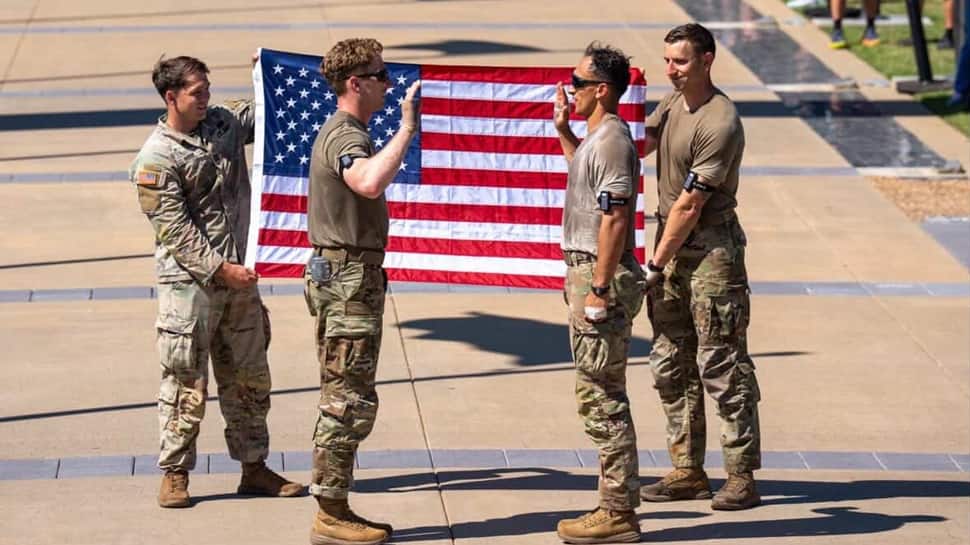
The United States military, particularly the Army, finds itself at a critical juncture, grappling with its most significant recruitment crisis in nearly 50 years. As the nation navigates a complex geopolitical landscape, the ability to attract and retain a robust fighting force is paramount. In response to this pressing challenge, the Pentagon has announced sweeping changes to its enlistment criteria, effective April 20, designed to widen the aperture for potential recruits. These adjustments signal a pragmatic, albeit controversial, shift in military policy, reflecting evolving societal norms and the urgent need to bolster troop numbers.
The Unprecedented Recruitment Shortfall
The roots of the current crisis are multifaceted. Economic prosperity, a declining youth population with military-eligible characteristics, and a growing civilian-military divide have all contributed to a dwindling interest in service. Data from the Department of Defense indicates that less than a quarter of young Americans aged 17-24 meet the physical, mental, and moral standards for enlistment without a waiver. Furthermore, a significant portion of eligible youth express little to no interest in military service, often citing concerns about personal safety, family separation, and the perceived lack of career opportunities post-service. The Army, the largest branch, missed its recruitment goal by a staggering 15,000 soldiers in fiscal year 2022, and projections for 2023 were equally grim before these policy changes. This shortfall has profound implications for military readiness, the ability to project power globally, and the capacity to respond to domestic and international crises.
Historically, the military has relied on a strong sense of patriotism, economic opportunity, and a tradition of service to fill its ranks. However, these traditional motivators appear to be less potent in the 21st century. The all-volunteer force, established after the Vietnam War, has long been considered a success, but its sustainability is now under intense scrutiny. The current environment demands a re-evaluation of recruitment strategies, moving beyond conventional approaches to address the evolving demographics and aspirations of American youth. The military's brand, once synonymous with honor and opportunity, now competes with a myriad of civilian career paths that often promise higher immediate earnings and perceived greater personal freedom.
Key Policy Changes: Expanding the Applicant Pool
The most prominent changes to enlistment rules are designed to directly address the shrinking pool of eligible candidates. Firstly, the maximum enlistment age has been raised from 35 to 42. This is a significant shift, acknowledging that individuals in their late 30s and early 40s often possess valuable life experience, maturity, and specialized skills that can benefit the armed forces. For many, a career change or a renewed sense of purpose might emerge later in life, and this policy now opens the door for them to serve. This move also reflects an aging population in the U.S. and a recognition that physical fitness and mental acuity can be maintained well into middle age, especially for certain roles.
Secondly, and perhaps more controversially, the military will now allow single convictions for marijuana possession. This change directly confronts the evolving legal and social landscape surrounding cannabis in the United States. As more states legalize or decriminalize marijuana, the military's strict prohibition had been disqualifying a substantial number of otherwise qualified individuals. This policy adjustment acknowledges that a single, minor infraction related to marijuana, particularly in states where it is legal, should not automatically bar someone from serving their country. It's a pragmatic response to a changing society, aiming to remove an artificial barrier that has disproportionately affected certain demographics.
Other less publicized changes include a re-evaluation of tattoo policies, which have historically been quite restrictive, and a more flexible approach to certain minor medical conditions. These adjustments collectively represent a strategic effort to cast a wider net, recognizing that the ideal recruit profile of yesteryear may no longer be sufficient to meet contemporary demands. The military is essentially saying: "We need good people, and we are willing to adapt our criteria to find them."
Implications for Military Readiness and National Security
The immediate goal of these policy changes is to boost recruitment numbers and alleviate the current shortfall. If successful, a larger and more diverse recruit pool could enhance military readiness, ensuring that the U.S. has the personnel needed to fulfill its global commitments and respond to emerging threats. A more experienced cohort of older recruits could bring valuable skills and leadership qualities, potentially reducing training times for certain specialized roles.
However, these changes are not without potential challenges. Critics express concerns about maintaining the high standards and discipline traditionally associated with military service. There are questions about the physical demands on older recruits and the potential for increased injury rates. Similarly, while a single marijuana conviction might seem minor, some worry about the precedent it sets and its impact on the military's drug-free culture. The integration of recruits with more diverse backgrounds and experiences will also require adaptive training and leadership approaches.
From a national security perspective, a robust and well-staffed military is a cornerstone of American power and influence. The ability to deter aggression, conduct humanitarian missions, and maintain technological superiority all depend on a sufficient supply of qualified personnel. If these changes successfully address the recruitment crisis, they could strengthen the U.S.'s strategic position globally. Conversely, if they fail to attract enough recruits or lead to unforeseen issues, the long-term implications for national security could be significant.
The Broader Societal Context and Future Outlook
These policy shifts also reflect broader societal trends and a re-evaluation of what constitutes a 'suitable' military candidate. The military has historically been a conservative institution, but it has also shown an ability to adapt to changing times, from integrating women and minorities to embracing new technologies. The current changes are another chapter in this ongoing evolution, demonstrating a willingness to challenge long-held assumptions in the face of existential challenges.
The success of these new rules will depend not only on the number of recruits they attract but also on the quality and retention of those individuals. The military will need to ensure that its training programs and support systems are equipped to handle a more diverse demographic of recruits. Furthermore, the underlying issues contributing to the recruitment crisis – such as the civilian-military divide and declining youth interest – will require continued attention and innovative solutions beyond just adjusting enlistment criteria.
Looking ahead, these changes could pave the way for further reforms. As the nature of warfare evolves, so too must the profile of the warrior. The U.S. military is entering a new era, one defined by adaptability, inclusivity, and a pragmatic approach to securing its future. The coming months will be crucial in assessing the efficacy of these bold moves and determining whether they represent a temporary fix or a fundamental redefinition of military service in America. The stakes are high, not just for the armed forces, but for the nation as a whole.
Stay Informed
Get the world's most important stories delivered to your inbox.
No spam, unsubscribe anytime.
Comments
No comments yet. Be the first to share your thoughts!