WHO Declares DR Congo Ebola Outbreak a Global Health Emergency: A Deep Dive into the Bundibugyo Strain
The World Health Organization has officially declared the recent Ebola outbreak in the Democratic Republic of Congo, caused by the rare Bundibugyo virus, a global health emergency. This declaration underscores the severity of the situation, especially given the lack of approved vaccines or treatments for this specific strain. Experts warn of the potential for wider regional spread and the challenges in containment efforts amidst ongoing instability. PulseWorld examines the implications of this critical public health crisis.
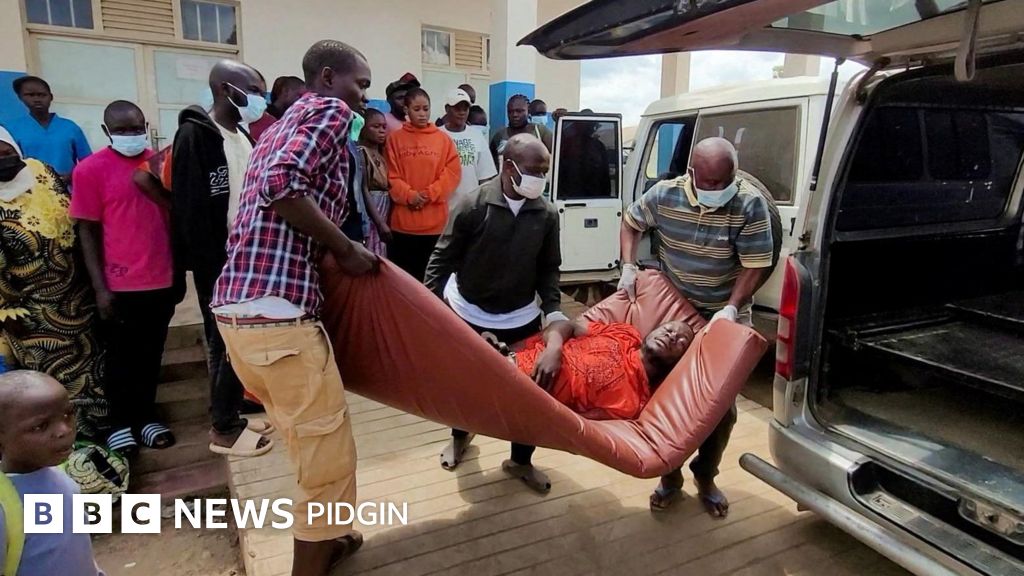
In a move that sends ripples of concern across the international public health community, the World Health Organization (WHO) has officially declared the burgeoning Ebola outbreak in the Democratic Republic of Congo (DRC) a global health emergency. This critical designation, made after careful consideration of the outbreak's scale, speed of transmission, and the specific viral strain involved, marks a significant escalation in the global response. Unlike previous, more common strains, this particular outbreak is attributed to the Bundibugyo virus, a variant for which there are currently no approved vaccines or specific treatments, presenting an unprecedented challenge to containment and control efforts.
The declaration, formally known as a Public Health Emergency of International Concern (PHEIC), is not made lightly. It signals that an extraordinary event constitutes a public health risk to other states through the international spread of disease and potentially requires a coordinated international response. For the DRC, a nation already grappling with profound political instability, humanitarian crises, and other endemic diseases, this latest health emergency adds another layer of complexity to an already dire situation. The implications are far-reaching, affecting not only the immediate region but also potentially impacting global health security and economic stability.
The Bundibugyo Variant: A Unique Threat
The Bundibugyo ebolavirus (BDBV) is one of the six known species of Ebola virus. While less common than the Zaire ebolavirus, which caused the devastating West African epidemic of 2014-2016 and subsequent outbreaks in the DRC, BDBV is equally lethal, with case fatality rates ranging from 25% to 90%. Its rarity means that research and development into specific countermeasures have lagged behind those for the Zaire strain. This lack of approved drugs or vaccines for BDBV is a primary driver behind the WHO's emergency declaration. The existing experimental vaccines, such as rVSV-ZEBOV, are highly effective against the Zaire strain but offer little to no protection against Bundibugyo.
This current outbreak is not the first encounter with BDBV. The virus was first identified in 2007 in Bundibugyo District, Uganda, near the border with the DRC, where it caused an outbreak resulting in 149 cases and 37 deaths. Subsequent smaller outbreaks have occurred, but the current situation in the DRC, particularly its location and potential for rapid spread, has raised alarm bells. The challenge lies in rapid identification, isolation, and supportive care for patients, all while working to prevent further transmission in communities that may be distrustful of external health interventions due to past experiences or misinformation.
Historical Context and Recurrent Crises in the DRC
The Democratic Republic of Congo has a long and tragic history with Ebola. The virus was first identified near the Ebola River in northern DRC (then Zaire) in 1976. Since then, the country has experienced more than a dozen outbreaks, making it the most frequently affected nation globally. This frequent recurrence is attributed to a combination of factors:
* Biodiversity: The DRC's vast rainforests are believed to be natural reservoirs for the virus in fruit bats. * Porous Borders: Extensive, often uncontrolled borders with nine neighboring countries facilitate potential cross-border transmission. * Weak Health Infrastructure: Decades of conflict and underinvestment have left the health system fragile, with limited capacity for surveillance, diagnosis, and rapid response. * Sociopolitical Instability: Ongoing armed conflicts, displacement of populations, and community mistrust in government and international aid organizations often hinder response efforts, leading to delays in case reporting and resistance to safe burial practices.
The previous major Ebola outbreak in eastern DRC (2018-2020), also a PHEIC, was the second-largest in history, claiming over 2,200 lives. It highlighted the immense difficulties of responding to an epidemic in an active conflict zone, where health workers faced threats, violence, and targeted attacks. Lessons learned from that crisis, particularly regarding community engagement and security, are now being critically re-evaluated for the current Bundibugyo outbreak.
Expert Analysis and Implications
Public health experts are emphasizing the urgent need for a multi-faceted response. Dr. Maria Van Kerkhove, WHO's technical lead for Ebola, stated, “The declaration is a wake-up call. We need to accelerate research into Bundibugyo-specific therapeutics and vaccines, while simultaneously strengthening public health measures on the ground.” The immediate priorities include:
* Enhanced Surveillance: Rapid case identification, contact tracing, and isolation are paramount to breaking chains of transmission. * Community Engagement: Building trust with affected communities is crucial for adherence to public health guidelines, safe burials, and acceptance of health interventions. * Infection Prevention and Control (IPC): Strict IPC measures in healthcare facilities are essential to protect health workers and prevent nosocomial transmission. * Research and Development: Expedited research into BDBV-specific antivirals and vaccine candidates is now a global imperative. * Regional Coordination: Given the DRC's central location, cross-border collaboration with neighboring countries is vital to prevent regional spread.
The economic implications of a prolonged outbreak are also significant. Travel restrictions, trade disruptions, and a diversion of resources can cripple local economies and exacerbate humanitarian needs. Furthermore, the global health community faces the challenge of 'pandemic fatigue', where donor countries and the public may be less responsive to new health crises after years of battling COVID-19 and other emergencies. This makes the WHO's declaration even more critical, as it aims to galvanize international attention and resources.
A Call to Action and Forward-Looking Perspective
The WHO's declaration of a global health emergency for the Bundibugyo Ebola outbreak in the DR Congo is a stark reminder of the persistent threats posed by infectious diseases, particularly in vulnerable regions. It underscores the critical need for sustained investment in global health security, robust surveillance systems, and equitable access to research and development capabilities.
While the immediate focus is on containing the current outbreak, this crisis also presents an opportunity to accelerate the development of broad-spectrum antiviral treatments and pan-Ebola vaccines that could protect against multiple strains, including Bundibugyo. The international community, led by the WHO, must act swiftly and decisively, providing financial, logistical, and technical support to the DRC. The lessons from past outbreaks teach us that early, coordinated, and community-centric responses are the most effective. Failure to do so risks not only a humanitarian catastrophe in the DRC but also a potential threat to global health stability. The world watches, hoping that this emergency declaration will catalyze the necessary action to bring this deadly virus under control.
Stay Informed
Get the world's most important stories delivered to your inbox.
No spam, unsubscribe anytime.
Comments
No comments yet. Be the first to share your thoughts!