Zelensky Warns: Belarus Builds New Roads, Artillery Near Ukraine Border, Raising Escalation Fears
Ukrainian President Volodymyr Zelensky has issued a stark warning regarding new military infrastructure being developed in Belarus, close to Ukraine's northern border. The construction of new roads and artillery positions suggests a potential renewed Russian effort to draw Minsk deeper into the ongoing conflict. This development reignites concerns about a possible new front and the geopolitical stability of Eastern Europe, prompting international scrutiny and calls for vigilance.
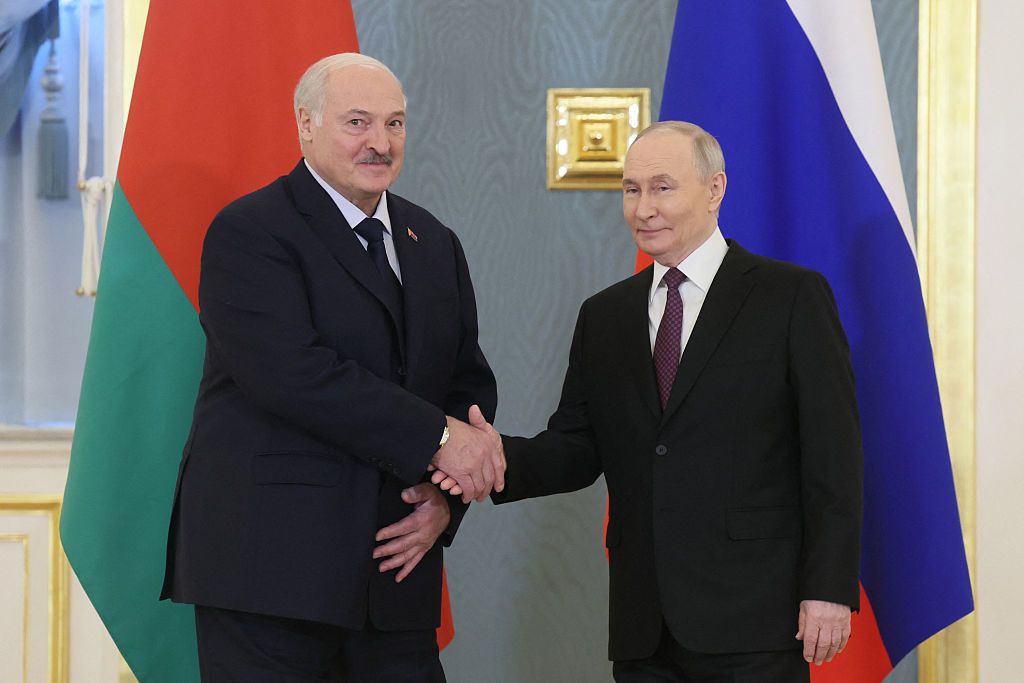
The chilling specter of an expanded conflict looms large over Eastern Europe as Ukrainian President Volodymyr Zelensky sounded an alarm on April 17 regarding significant military developments in neighboring Belarus. According to Zelensky, new roads and artillery positions are being rapidly constructed along Belarus's border with Ukraine, a move he interprets as a prelude to Russia's renewed attempts to fully embroil Minsk in its protracted war. This revelation sends ripples of concern across international capitals, raising urgent questions about the potential for a new northern offensive and the broader implications for regional security.
For over two years, Belarus has served as a crucial, albeit often reluctant, staging ground and logistical hub for Russian forces. While Belarusian troops have not formally engaged in combat operations within Ukraine, Minsk's unwavering political and military support for Moscow has been undeniable. The initial full-scale invasion in February 2022 saw Russian forces pour into Ukraine from Belarusian territory, targeting Kyiv directly. Since then, Belarus has hosted Russian military exercises, provided airfields for Russian aircraft, and allowed its territory to be used for missile launches. This latest intelligence, however, suggests a more direct and potentially aggressive posture, moving beyond mere logistical support to the establishment of forward operational capabilities.
A History of Coercion and Compliance
To understand the current situation, one must delve into the complex relationship between Russia and Belarus, particularly under President Alexander Lukashenka's long-standing rule. Lukashenka, often dubbed Europe's "last dictator," has maintained power through a mix of authoritarian control and strategic alignment with Moscow. Following widespread protests against his disputed re-election in 2020, Lukashenka became increasingly reliant on Russian political and economic backing to maintain stability. This dependency has translated into a diminished capacity for independent foreign policy, effectively making Belarus a junior partner in Russia's geopolitical ambitions.
The initial phase of the invasion saw Belarus's role as a launchpad. Russian units, including tanks and armored personnel carriers, traversed Belarusian territory to approach Kyiv. Though these efforts ultimately failed to capture the Ukrainian capital, the strategic importance of Belarus's northern border became unequivocally clear. Since then, while there have been no direct Belarusian troop deployments, the country's military infrastructure has been increasingly integrated with Russia's. Joint military exercises, often framed as defensive maneuvers, have become more frequent and larger in scale, signaling a deepening military alliance. The construction of new roads and artillery positions now represents a tangible, physical manifestation of this integration, preparing the ground for potential future operations.
Strategic Implications and Escalation Risks
Zelensky's warning is not merely rhetorical; it points to a critical strategic vulnerability for Ukraine. The northern border, while heavily fortified since 2022, remains a vast and challenging frontier to defend. Any renewed offensive from Belarus would force Ukraine to divert already strained resources from the eastern and southern fronts, where the most intense fighting is currently concentrated. This diversion could significantly impact Ukraine's ability to hold its ground and launch counter-offensives.
Furthermore, the establishment of new artillery positions suggests a potential shift in tactics. Artillery, with its capacity for long-range bombardment, could be used to soften Ukrainian defenses, target critical infrastructure, or provide cover for advancing ground troops. The construction of new roads would facilitate the rapid movement of heavy equipment and personnel, indicating preparation for large-scale maneuvers rather than isolated skirmishes. This infrastructure development aligns with a pattern of Russian military buildup observed in other conflict zones, where logistical improvements precede offensive actions.
Key Strategic Considerations: * Resource Diversion: A northern threat would stretch Ukraine's military thin. * Logistical Advantage: New roads enable faster troop and equipment movement. * Artillery Threat: Positions allow for sustained bombardment of Ukrainian targets. * Psychological Warfare: The constant threat keeps Ukraine on high alert, draining morale and resources.
International Response and Future Outlook
The international community has largely condemned Belarus's complicity in Russia's aggression, imposing sanctions on Minsk mirroring those on Moscow. However, the latest developments necessitate a renewed focus on preventing further escalation. NATO and its allies are closely monitoring the situation, with intelligence agencies likely working overtime to verify Zelensky's claims and assess the immediate threat level. Any direct involvement of Belarusian troops would mark a significant escalation, potentially triggering a stronger response from the West.
Experts are divided on the likelihood of direct Belarusian military intervention. Some argue that Lukashenka, despite his dependence on Putin, is wary of the domestic repercussions of sending his own troops into a war that is increasingly unpopular among his populace. Others believe that Putin's leverage over Lukashenka is so absolute that the Belarusian leader may eventually have no choice but to comply. The economic and political costs of defying Moscow could be perceived as greater than the risks of joining the conflict.
Ultimately, the construction of new military infrastructure in Belarus serves as a grim reminder of the volatile nature of the conflict and the persistent threat of its expansion. For Ukraine, it underscores the need for continued international military aid, particularly in air defense systems and long-range artillery, to deter potential attacks and defend its vast borders. For the international community, it is a call to maintain vigilance, reinforce sanctions, and explore diplomatic avenues to de-escalate tensions, even as the drums of war beat louder in the region. The coming months will be crucial in determining whether these new roads lead to another devastating chapter in the conflict or if international pressure can avert a wider catastrophe.
Stay Informed
Get the world's most important stories delivered to your inbox.
No spam, unsubscribe anytime.
Comments
No comments yet. Be the first to share your thoughts!