Apple's $250 Million AI Settlement: A Precedent for Tech Accountability?
Apple has agreed to a $250 million settlement with iPhone owners who claimed the company misled them about its 'Apple Intelligence' capabilities. This landmark agreement, which could see some users receive up to $95, highlights growing scrutiny over AI marketing and tech giants' responsibility. While Apple denies wrongdoing, the settlement sets a significant precedent for consumer protection in the rapidly evolving AI landscape.
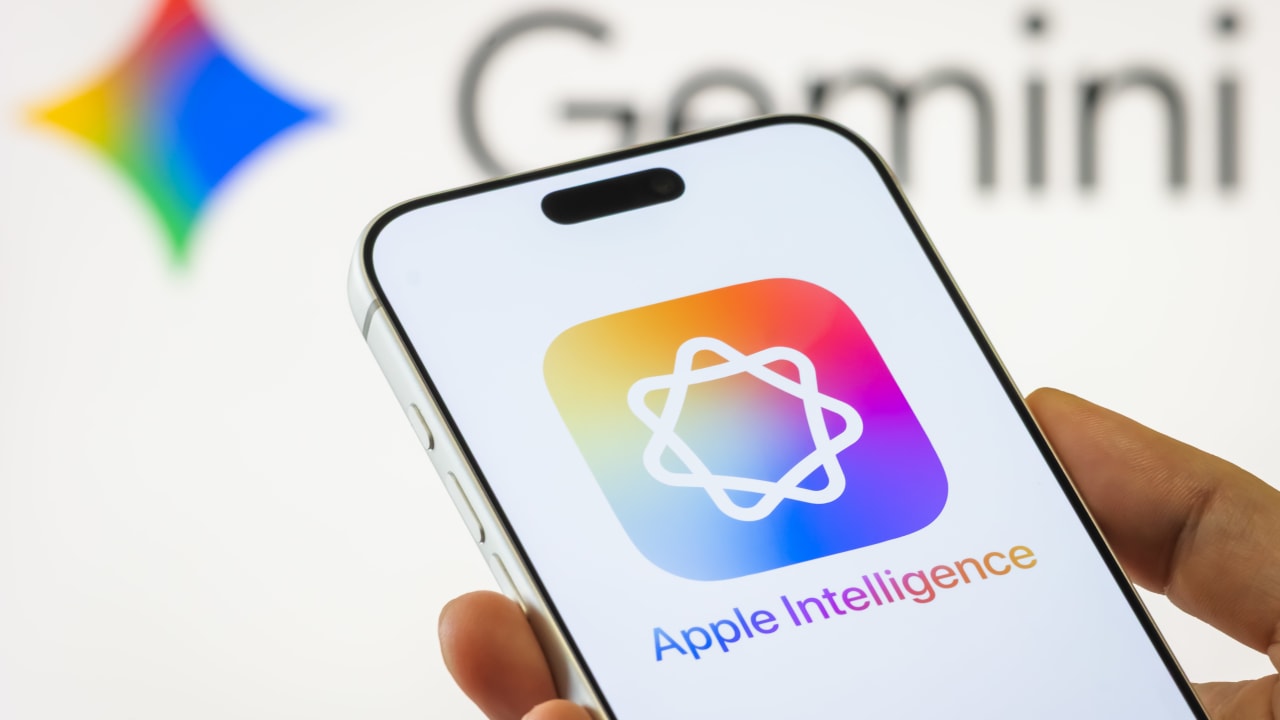
In an era where artificial intelligence promises to revolutionize every aspect of our lives, the lines between aspiration and reality can often blur. For tech behemoths like Apple, known for their meticulous branding and cutting-edge innovation, even a slight misstep in communicating technological prowess can lead to significant repercussions. Such is the case with a recent $250 million settlement reached by Apple with a class of iPhone owners, addressing claims that the company oversold the capabilities of its much-touted “Apple Intelligence” system. This agreement, announced on Tuesday, not only marks a substantial financial payout but also signals a growing demand for transparency and accountability from the tech industry regarding its AI offerings. Some eligible users could receive up to $95 in compensation, a figure that, while modest on an individual basis, collectively underscores the scale of the alleged misrepresentation.
The Genesis of Discontent: Unfulfilled AI Promises
The dispute originated from allegations that Apple's marketing of its AI features, particularly those integrated into its mobile operating system, created an expectation among consumers that the actual performance failed to meet. Users reported discrepancies between the advertised seamless, intuitive AI experience and the reality of its functionality, leading to frustration and a sense of being misled. This isn't an isolated incident in the tech world; the rapid advancement of AI has often outpaced the public's understanding and, at times, companies' ability to deliver on ambitious promises. However, given Apple's reputation for user experience and its premium market position, these claims carried particular weight.
The core of the complaint centered on the perceived gap between the sophisticated image of 'Apple Intelligence' — a term that itself evokes advanced cognitive abilities — and the practical limitations encountered by users. While specific details of the alleged misrepresentations were not fully disclosed in the initial reports, the very existence of a large-scale class-action lawsuit suggests a widespread sentiment of dissatisfaction. This case serves as a stark reminder that even the most trusted brands are not immune to consumer scrutiny, especially when it comes to emerging and complex technologies like AI.
A Precedent-Setting Settlement in the AI Era
The $250 million settlement, while officially denying any wrongdoing from Apple's side, is a pragmatic move to avoid prolonged and costly litigation. For the company, the reputational damage and legal expenses associated with a protracted court battle likely outweighed the cost of settlement. For consumers, it represents a victory, albeit a partial one, in holding a major corporation accountable. This settlement is particularly significant because it addresses the nascent field of consumer AI capabilities. Unlike traditional product defects, assessing the 'performance' of AI often involves subjective user experience and the interpretation of marketing language.
Legal experts suggest this case could set a precedent for how AI capabilities are advertised and regulated moving forward. As AI becomes more ubiquitous, from smart assistants to autonomous vehicles, the legal framework around its deployment and consumer expectations will inevitably evolve. This settlement could encourage other tech companies to be more precise and conservative in their AI marketing claims, fostering greater transparency across the industry. It also highlights the growing power of collective consumer action in shaping corporate behavior.
Broader Implications for the Tech Industry and Consumer Trust
This settlement extends beyond just Apple and its iPhone users; it sends a clear message to the entire tech industry. In an increasingly competitive landscape where AI differentiation is a key battleground, companies might be tempted to exaggerate their AI prowess. However, this case demonstrates the tangible risks associated with such strategies. The cost of misleading consumers is not just financial, but also impacts brand loyalty and public trust, which are invaluable assets for any company.
Moreover, the incident underscores the challenges in regulating AI. How do you define 'misleading' when the technology itself is rapidly advancing and often operates in ways that are not immediately transparent to the average user? This question will likely be a central theme for regulators worldwide. The European Union, for instance, is already at the forefront of AI regulation with its AI Act, aiming to establish clear rules for AI development and deployment. This settlement could catalyze similar discussions and legislative efforts in other jurisdictions, including the United States, where consumer protection agencies like the FTC might take a more proactive stance on AI marketing claims.
The Future of AI Marketing and Consumer Protection
The Apple settlement is more than just a financial transaction; it's a bellwether for the future of AI marketing and consumer protection. As AI becomes more sophisticated and integrated into everyday products, the onus will be on companies to communicate its capabilities and limitations with utmost clarity. This means moving beyond buzzwords and providing concrete, verifiable information about what their AI can and cannot do. For consumers, it reinforces the importance of critical evaluation and demanding transparency from tech providers.
Looking ahead, we can anticipate a few key trends. Firstly, there will likely be increased scrutiny from regulatory bodies on AI claims, potentially leading to stricter guidelines for advertising. Secondly, companies may adopt more conservative marketing approaches, focusing on demonstrable benefits rather than speculative future capabilities. Finally, consumer awareness and education about AI will become paramount, empowering users to make informed decisions. The $250 million settlement, while a chapter closed for Apple, opens a new conversation about ethical AI deployment and the enduring power of consumer advocacy in the digital age. It's a reminder that even in the realm of cutting-edge technology, trust remains the ultimate currency.
Stay Informed
Get the world's most important stories delivered to your inbox.
No spam, unsubscribe anytime.
Comments
No comments yet. Be the first to share your thoughts!