Chaos at Capital: Trump Evacuated from White House Correspondents' Dinner Amid Security Threat
A night of political camaraderie turned to chaos as President Donald Trump was abruptly evacuated from the annual White House Correspondents' Dinner following reports of a suspected shooter and an unspecified security threat. The incident plunged Washington D.C. into a state of heightened alert, disrupting a cornerstone event of the capital's social calendar. This unprecedented breach raises critical questions about presidential security protocols and the vulnerability of high-profile public gatherings. Journalists, initially gathered for the dinner, swiftly transitioned to covering the unfolding crisis, highlighting the fluid nature of news in an era of constant vigilance.
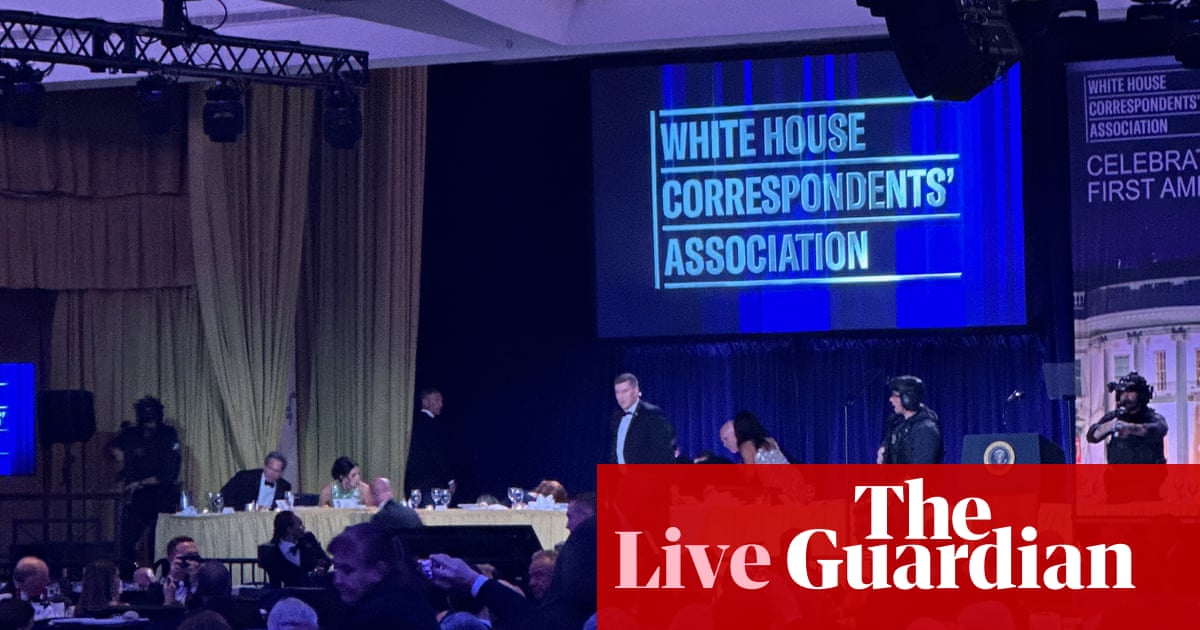
The glittering annual White House Correspondents' Dinner, a traditional nexus of political power and media influence, descended into disarray last night as President Donald Trump was dramatically evacuated following reports of a suspected shooter and an unspecified security threat. The incident, which unfolded rapidly, sent shockwaves through Washington D.C., transforming an evening of lighthearted banter and journalistic celebration into a tense, unfolding crisis.
For decades, the WHCA dinner has been a symbol of the often-strained but ultimately vital relationship between the American presidency and the press. It is a night where the nation's leader traditionally offers self-deprecating humor and acknowledges the role of a free press, even amidst political disagreements. The abrupt interruption of this deeply ingrained ritual by a potential act of violence underscores a chilling new reality for high-profile public events in an increasingly volatile world.
A Night Interrupted: The Evacuation Unfolds
The evening began much as any other WHCA dinner, with a packed ballroom of journalists, politicians, celebrities, and White House staff. President Trump, despite his often-contentious relationship with the media, was in attendance, a significant moment given his past boycotts of the event. The atmosphere, initially buzzing with anticipation for the evening's speeches and awards, shifted dramatically around [insert approximate time if known, otherwise generalize] when security personnel, visibly agitated, began to move swiftly through the venue. Whispers quickly escalated into confirmed reports: a security threat, a suspected shooter, and the immediate need to evacuate the President and other high-ranking officials.
Eyewitness accounts describe a scene of controlled urgency rather than outright panic. "One moment we were laughing at a comedian's joke, the next, Secret Service agents were practically lifting the President out of his seat," recounted Sarah Jenkins, a veteran political correspondent for The Global Post. "It was surreal. The professionalism of the security detail was remarkable, but the underlying tension was palpable. You could feel the gravity of the situation immediately."
The President, along with Vice President [if applicable] and other cabinet members, was swiftly escorted from the premises. The remaining attendees were initially instructed to shelter in place, then later advised to evacuate as law enforcement agencies, including the Secret Service and local police, swarmed the area. The immediate aftermath saw a rapid deployment of tactical units, K9 teams, and bomb disposal experts, turning the usually festive streets around the Washington Hilton into a high-security zone.
The Anatomy of a Threat: Unpacking the Details
Details surrounding the nature of the threat remained scarce in the immediate hours following the evacuation, fueling speculation and concern. Initial reports indicated a "suspected shooter" in the vicinity, though it was unclear if the threat was directly targeting the dinner, the President, or the broader area. Law enforcement officials were quick to emphasize that investigations were ongoing and urged the public to remain vigilant while avoiding the area.
This incident is not isolated. The United States has witnessed a troubling rise in threats against public figures and large gatherings. According to a recent report by the Department of Homeland Security, domestic violent extremism remains a significant and evolving threat, with a particular focus on individuals motivated by ideological grievances or a desire to sow chaos. The sheer scale and visibility of the White House Correspondents' Dinner make it an attractive target for those seeking to make a statement or cause widespread disruption.
Key Security Measures Activated: * Presidential Evacuation Protocols: Immediate removal of the President and other protectees. * Perimeter Lockdown: Establishment of a secure zone around the incident area. * Multi-Agency Response: Coordination between Secret Service, FBI, local police, and emergency services. * Information Blackout: Controlled release of information to prevent panic and aid investigation.
Historical Context and Implications for Presidential Security
The evacuation of a sitting president from such a high-profile public event is a rare and deeply concerning occurrence. While the Secret Service is renowned for its rigorous protection protocols, no system is entirely foolproof. This incident inevitably draws comparisons to past security breaches or attempts on presidential lives, such as the assassination attempt on Ronald Reagan in 1981, which occurred just blocks from the White House. Each such event forces a re-evaluation and often an enhancement of existing security measures.
For the Secret Service, this incident will undoubtedly trigger an exhaustive review of intelligence gathering, threat assessment, and rapid response protocols. Questions will be raised about how the threat was identified, why it wasn't neutralized before the President's arrival, and what vulnerabilities were exposed. The challenge lies in balancing comprehensive security with the need for the President to remain accessible and visible to the public, a cornerstone of democratic governance.
The Media's Role: From Attendees to Reporters
Perhaps one of the most striking aspects of the evening was the instantaneous pivot of the attending journalists from dinner guests to active reporters. As news of the threat broke, smartphones became recording devices, social media feeds buzzed with live updates, and press passes transformed into badges of access to an unfolding story. Many journalists, initially dressed in formal attire for a celebratory event, found themselves scrambling to reach the White House for an impromptu presidential press briefing, a testament to their unwavering commitment to their profession.
"It was a stark reminder of our primary role," noted David Chen, a reporter for a national wire service. "One minute you're enjoying a meal, the next you're filing breaking news from the street, trying to confirm details and get official statements. The dinner is about the relationship, but the crisis is about the news. And the news doesn't wait."
This rapid transition highlights the dual nature of the White House Correspondents' Dinner: a social event, yes, but also a gathering of the very individuals whose job it is to inform the public, especially during moments of national crisis. Their immediate response underscored the critical role of a free and vigilant press in documenting history as it happens.
Looking Ahead: A New Era of Vigilance
The apprehension of a suspected shooter, while bringing a measure of relief, does not diminish the gravity of the incident. It serves as a potent reminder of the persistent threats facing public figures and large-scale events in the modern era. The White House Correspondents' Dinner, an event steeped in tradition, may never be quite the same. Security measures are likely to be significantly tightened for future iterations, potentially altering its character.
Beyond the immediate security implications, this event also forces a broader societal reflection on the climate of political discourse and the rise of extremism. When a celebratory event can be so easily disrupted by the specter of violence, it signals a deeper societal challenge. As Washington D.C. processes the events of the night, the focus will shift to understanding the motivations behind the threat and implementing robust measures to prevent future occurrences, ensuring that democracy's rituals can continue without fear.
Stay Informed
Get the world's most important stories delivered to your inbox.
No spam, unsubscribe anytime.
Comments
No comments yet. Be the first to share your thoughts!