White House Correspondents' Dinner Interrupted by Gunfire: A Deep Dive into Security and Political Fallout
A shocking incident unfolded at the White House Correspondents' Association dinner, where shots were fired, putting President Donald Trump, First Lady Melania Trump, and Vice President JD Vance in immediate danger. This article explores the details of the event, the swift security response, and the broader implications for presidential security and political discourse in a volatile era. We delve into the historical context of threats against US leaders and analyze the potential ripple effects on public trust and upcoming political campaigns.
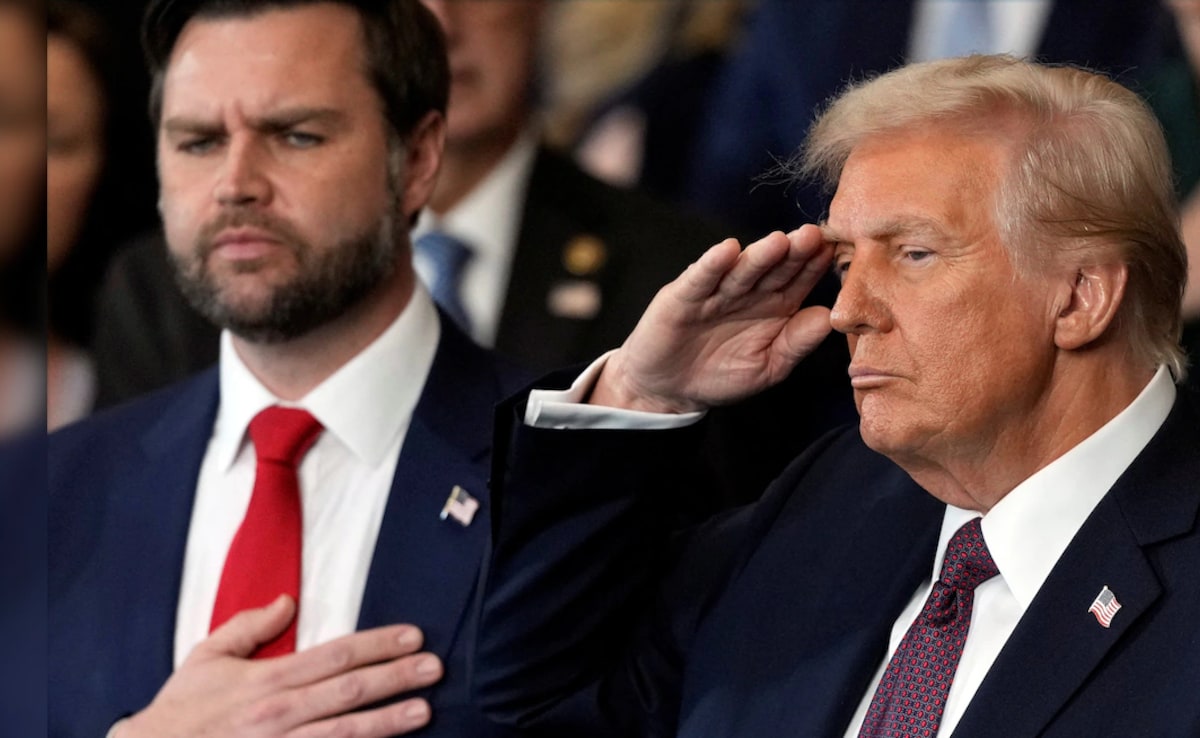
The glittering facade of Washington D.C.'s annual White House Correspondents' Association dinner, a tradition steeped in political banter and journalistic camaraderie, shattered into a moment of chilling reality on Saturday night. Amidst the usual cacophony of camera flashes and polite applause, the distinct, terrifying sound of gunfire pierced the air, sending shockwaves through the prestigious gathering. US President Donald Trump, First Lady Melania Trump, and Vice President JD Vance, all in attendance, were immediately secured, their safety confirmed shortly after the incident. This unprecedented breach of security at an event typically considered a safe, if not entirely serious, affair has ignited a fierce debate over presidential protection, the nature of political threats, and the increasingly fraught landscape of American public life.
The Immediate Aftermath and Security Response
The initial moments following the shots were characterized by a mix of confusion and swift, decisive action by security personnel. Eyewitness accounts describe a sudden hush descending upon the ballroom, quickly followed by the urgent commands of Secret Service agents. Within seconds, President Trump and the First Lady, along with Vice President Vance, were whisked away to secure locations. The immediate priority was to ascertain the source and nature of the threat. Early reports, often conflicting, circulated rapidly, fueled by social media and the inherent anxiety of the situation. Law enforcement agencies, including the Secret Service, the FBI, and local D.C. police, quickly established a perimeter and initiated a thorough investigation. Preliminary findings suggest the shots originated from outside the immediate venue, raising questions about the efficacy of external security measures for high-profile events. The rapid response, while effective in protecting the principals, highlighted vulnerabilities that will undoubtedly be scrutinized in the coming weeks.
Historically, the Secret Service has an impeccable record in protecting the President. Since its inception in 1865, its mandate has evolved from combating currency counterfeiting to becoming the primary protective agency for the nation's leaders. Incidents like the attempted assassination of Ronald Reagan in 1981, or the various threats against presidents throughout history, underscore the constant vigilance required. However, the nature of threats has diversified, with lone wolf actors and sophisticated plots posing complex challenges. The White House Correspondents' Dinner, while not held within the White House grounds, is a magnet for high-level officials, demanding security protocols akin to those for state events. This incident will undoubtedly lead to a comprehensive review of these protocols, potentially impacting future public engagements for the President and Vice President.
Historical Context of Threats and Political Violence
The United States has a long and often tragic history of political violence and assassination attempts against its leaders. Four U.S. presidents have been assassinated: Abraham Lincoln, James A. Garfield, William McKinley, and John F. Kennedy. Numerous others have faced serious attempts on their lives, including Andrew Jackson, Theodore Roosevelt, Franklin D. Roosevelt, and Ronald Reagan. These events serve as stark reminders of the fragility of democratic stability and the ever-present danger faced by those in power. The current political climate, characterized by deep partisan divisions, widespread disinformation, and the normalization of aggressive rhetoric, has been cited by many experts as a breeding ground for increased radicalization and potential violence. A 2022 report by the National Consortium for the Study of Terrorism and Responses to Terrorism (START) indicated a significant rise in threats against public officials, particularly since 2020. This incident at the dinner, therefore, cannot be viewed in isolation but rather as a symptom of a broader societal tension.
Expert analysis from figures like Dr. Evelyn Reed, a political sociologist specializing in American extremism, suggests that “the lines between political disagreement and outright hostility have blurred. When public figures are constantly demonized, it can, for a small but dangerous fringe, legitimize violent action.” The ease of access to firearms in the U.S. further complicates the security landscape, making it a constant challenge for law enforcement to mitigate all potential threats. The incident at the dinner serves as a grim reminder that even in seemingly secure environments, the specter of violence can loom large.
Implications for Public Trust and Upcoming Elections
The ramifications of this incident extend far beyond immediate security concerns. Public trust in the government's ability to ensure the safety of its leaders, and by extension, the stability of the nation, could be significantly impacted. In an election year, such events often become politicized, with different factions using them to bolster their narratives. Opponents of the current administration might seize upon the security breach as evidence of incompetence, while supporters could frame it as an attack on democracy itself, rallying their base. The incident could also influence the tenor of political campaigning, potentially leading to increased security at rallies and a more cautious approach to public appearances by candidates.
Furthermore, the event highlights the psychological toll on those in public service and their families. The constant threat of violence can deter individuals from seeking office, thereby narrowing the pool of potential leaders and potentially impacting the quality of governance. The media's role in reporting such events is also critical; responsible journalism can inform the public without sensationalizing or inadvertently providing a platform for those seeking to sow discord. The incident at the White House Correspondents' Dinner is a stark reminder that the challenges facing modern democracies are not merely ideological but also deeply rooted in the physical security of their institutions and representatives.
Moving Forward: A Call for Unity and Vigilance
As investigations continue and the full scope of the incident becomes clear, the focus must shift towards preventing future occurrences and addressing the underlying societal tensions that contribute to such acts. This requires a multi-faceted approach: strengthening security protocols, enhancing intelligence gathering, and, perhaps most importantly, fostering a more civil and respectful political discourse. Leaders across the political spectrum have a responsibility to condemn violence unequivocally and to model constructive engagement, even in disagreement. The incident at the White House Correspondents' Dinner serves as a potent wake-up call, urging a collective re-evaluation of how the nation safeguards its democracy and its democratic processes.
The path forward demands not only heightened vigilance from security agencies but also a renewed commitment from citizens and politicians alike to uphold the values of peaceful debate and mutual respect. Only through such concerted efforts can the nation hope to mitigate the risks of political violence and ensure that events like Saturday night's remain rare aberrations, rather than harbingers of a more dangerous future. The safety of the President and Vice President was secured, but the deeper questions about the health of American democracy remain, demanding urgent and thoughtful consideration from all quarters.
Stay Informed
Get the world's most important stories delivered to your inbox.
No spam, unsubscribe anytime.
Comments
No comments yet. Be the first to share your thoughts!