IRGC Warns US: Attacks on Iranian Vessels Will Trigger 'Heavy Response' Against US Bases
The Islamic Revolution Guard Corps (IRGC) Navy has issued a stark warning to the United States and its allies: any aggression against Iranian tankers or commercial ships will be met with a decisive and heavy response. This threat explicitly targets American military installations and naval assets in the region and beyond. The declaration escalates tensions in the Persian Gulf, highlighting the volatile geopolitical landscape and potential for broader conflict.
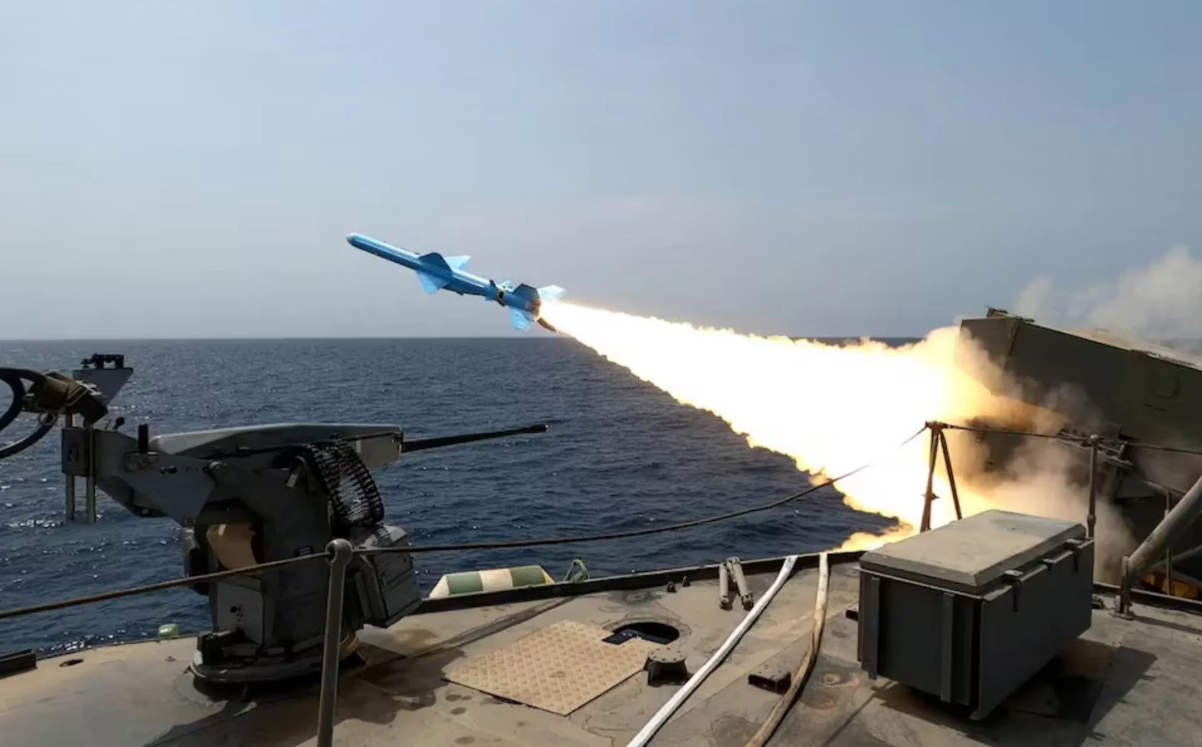
In a dramatic escalation of geopolitical tensions, the Islamic Revolution Guard Corps (IRGC) Navy has issued a chilling warning to the United States and its allies, declaring that any attack on Iranian tankers or commercial vessels, whether in the strategic Persian Gulf or further afield, will trigger a "heavy and decisive response." This retaliatory action, according to the IRGC, would explicitly target American military centers across the region and enemy ships. The pronouncement underscores the volatile nature of maritime security in one of the world's most critical waterways and raises serious concerns about the potential for miscalculation and broader conflict.
A Line in the Sand: Iran's Red Line Declaration
The IRGC's statement is not merely a rhetorical flourish; it represents a clear articulation of a red line that Tehran is unwilling to see crossed. For years, the waters of the Persian Gulf, the Strait of Hormuz, and the Gulf of Oman have been a flashpoint for confrontations between Iran and Western powers, particularly the United States. Incidents involving tanker seizures, drone attacks, and naval maneuvers have become disturbingly common, each carrying the risk of spiraling out of control. This latest warning, however, elevates the stakes considerably by explicitly threatening direct retaliation against US military assets.
Iran's commercial shipping, particularly its oil tankers, has been a central component of its economic lifeline, especially in the face of stringent international sanctions. The vulnerability of these vessels to perceived threats or actual attacks, whether from state actors or proxies, has long been a point of contention. By declaring that attacks on these vessels will be met with force against US bases, Iran is effectively attempting to deter any actions that could cripple its economy or be interpreted as an act of war. The message is unequivocal: harm Iran's maritime interests, and expect a direct military response against US presence in the Middle East.
Historical Context: A Legacy of Confrontation
The current tensions are deeply rooted in a complex history of animosity and distrust between Iran and the United States, dating back to the 1979 Islamic Revolution. The US military presence in the Persian Gulf, which includes the Fifth Fleet based in Bahrain, has long been viewed by Tehran as a hostile force aimed at containing its influence and undermining its sovereignty. Conversely, Washington and its allies view Iran's naval activities, particularly those of the IRGC, as a source of instability and a threat to international shipping.
Key historical incidents illustrate this fraught relationship. The "Tanker War" of the 1980s, during the Iran-Iraq War, saw both sides, and later the US Navy, involved in attacks on commercial shipping. More recently, incidents such as the 2019 attacks on oil tankers in the Gulf of Oman, which the US and its allies attributed to Iran, and Iran's seizure of various foreign-flagged vessels, have kept the region on edge. The IRGC's naval arm, known for its asymmetric warfare capabilities, including fast attack craft, anti-ship missiles, and naval mines, has consistently played a central role in these confrontations. Their doctrine often emphasizes swarm tactics and the ability to inflict significant damage on larger, more technologically advanced adversaries.
Furthermore, the ongoing nuclear negotiations, the lifting of sanctions, and regional proxy conflicts in Yemen, Syria, and Iraq all contribute to the highly charged atmosphere. Each of these elements adds layers of complexity to any maritime incident, making de-escalation incredibly challenging.
Implications for Regional Stability and Global Trade
The IRGC's warning carries profound implications for regional stability and global trade. The Persian Gulf and the Strait of Hormuz are choke points through which approximately one-fifth of the world's oil supply passes daily. Any disruption to this flow, whether through direct conflict or increased insurance premiums and shipping costs due to heightened risk, would have immediate and severe repercussions for the global economy. Oil prices would undoubtedly surge, impacting consumers and industries worldwide.
For the United States, the threat to its military bases, which include significant installations in Bahrain, Qatar, Kuwait, and the UAE, presents a serious challenge. These bases are critical for projecting power, conducting counter-terrorism operations, and maintaining regional security alliances. A direct attack on any of these facilities would constitute a major act of aggression, almost certainly leading to a robust military response from Washington, potentially igniting a broader regional conflict that neither side ostensibly desires.
Allies of the US in the region, such as Saudi Arabia and the UAE, are also caught in the crossfire. Their own maritime interests and security are inextricably linked to the stability of the Gulf. The IRGC's warning implicitly threatens any nation perceived as aligned with US actions against Iranian shipping, further complicating the geopolitical calculus.
Expert Analysis: Deterrence or Provocation?
Security analysts are divided on the precise intent and likely outcome of the IRGC's declaration. Some view it as a classic deterrence strategy, an attempt by Iran to establish credible red lines and prevent perceived aggression against its economic lifelines. By explicitly naming US bases as targets, Iran aims to raise the cost of any intervention to an unacceptable level for Washington, thereby discouraging such actions.
Others, however, interpret it as a dangerous provocation, increasing the risk of an accidental or intentional confrontation. The specificity of the threat could be seen as an invitation for a test of wills, particularly if a minor incident at sea is misinterpreted or escalates rapidly. The concept of "heavy and decisive response" is inherently ambiguous, allowing for a wide range of interpretations and potential actions, which only adds to the uncertainty.
One key factor in this analysis is the concept of asymmetric warfare. The IRGC Navy is not designed to go head-to-head with the US Navy in a conventional fight. Instead, its strength lies in its ability to harass, disrupt, and inflict damage through unconventional means, leveraging its knowledge of the local terrain and its arsenal of smaller, faster vessels and anti-ship weaponry. The threat to US bases, however, suggests a willingness to move beyond purely naval engagements, potentially utilizing missile capabilities or proxy forces to strike land-based targets.
Looking Ahead: A Precarious Balance
As the international community grapples with this latest development, the focus remains on de-escalation and diplomatic efforts. However, the IRGC's warning has undeniably ratcheted up the tension, creating a more precarious balance in an already volatile region. The onus is now on all parties to exercise extreme caution and restraint to prevent a miscalculation that could plunge the Middle East into a wider, devastating conflict.
The coming months will likely see increased surveillance and naval presence in the Gulf, as both sides monitor each other's movements. The international community will be watching closely, hoping that diplomacy can prevail over brinkmanship, and that the declared red lines do not become battle lines. The stability of global energy markets and the lives of millions depend on it. The path forward requires not just careful navigation of ships, but also careful navigation of rhetoric and strategic intent in the treacherous waters of international relations.
Stay Informed
Get the world's most important stories delivered to your inbox.
No spam, unsubscribe anytime.
Comments
No comments yet. Be the first to share your thoughts!