Trump's Bold Bid: Tapping Military Bases to Replenish the Strategic Petroleum Reserve
The Trump Administration is reportedly exploring unconventional methods to refill the U.S. Strategic Petroleum Reserve (SPR), including potentially drilling for oil beneath military bases and federal lands. This 'creative' approach comes as the SPR faces depletion due to emergency releases amid global supply shocks. The strategy aims to bolster energy security and reduce reliance on foreign oil, but raises significant environmental and logistical questions.
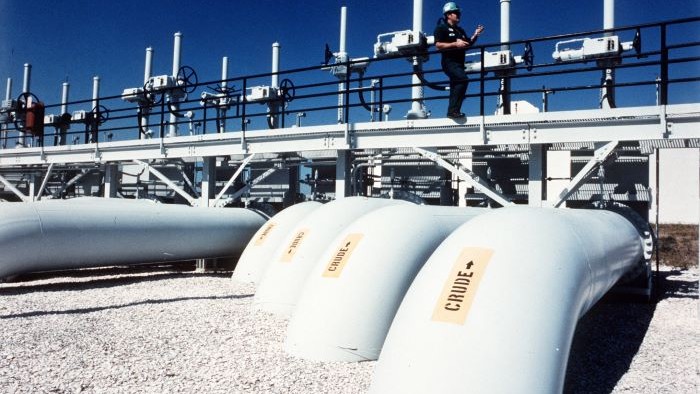
In a move that could redefine America's energy strategy and spark considerable debate, the Trump Administration is reportedly examining a highly unconventional approach to replenish the nation's Strategic Petroleum Reserve (SPR): tapping into oil reserves beneath U.S. military bases and other federal lands. This 'creative' solution emerges as the SPR, a critical buffer against global oil price shocks and supply disruptions, faces significant depletion following recent emergency releases, particularly in the wake of geopolitical tensions such as the Iran war.
The notion of drilling under sensitive federal properties, including active military installations, underscores the urgency and the political will to bolster U.S. energy independence and security. While the idea is still in exploratory stages, it signals a potential shift towards more aggressive domestic resource utilization, challenging traditional environmental and land-use paradigms.
The Depleting Reserve: A National Security Concern
The Strategic Petroleum Reserve is the world's largest emergency supply of crude oil, established in the 1970s after the Arab oil embargo to protect the U.S. economy from severe supply disruptions. Located in underground salt caverns along the Texas and Louisiana Gulf Coasts, it holds hundreds of millions of barrels of crude oil. However, its levels have steadily declined over recent years, not just from emergency releases but also from mandated sales by Congress to fund various government initiatives.
Recent geopolitical events, including the conflict in Ukraine and heightened tensions in the Middle East, have underscored the SPR's critical role. The Biden administration authorized significant releases from the SPR in 2022 to combat soaring gasoline prices and stabilize global markets following Russia's invasion of Ukraine, drawing the reserve to its lowest levels in decades. While some efforts have been made to repurchase oil for the SPR, the process has been slow and challenging due to market conditions and budget constraints.
For the Trump administration, the current state of the SPR represents a vulnerability. The proposed strategy aims not just to refill the reserve but to do so with domestically sourced oil, thereby reducing reliance on international markets and bolstering the 'America First' energy agenda. This aligns with a broader philosophy of maximizing domestic energy production and leveraging natural resources within U.S. borders.
Unconventional Sources: Military Bases and Federal Lands
The concept of extracting oil from beneath military bases and federal lands is not entirely new, but its scale and explicit purpose of refilling the SPR mark a novel application. Federal lands, which constitute a significant portion of the U.S. landmass, are known to hold vast mineral and energy resources. These include national forests, wildlife refuges, and lands managed by the Bureau of Land Management (BLM). Military bases, often sprawling over large tracts of land, could also sit atop untapped reservoirs.
The rationale is multi-faceted: access to potentially significant domestic reserves, reduced transportation costs compared to foreign imports, and enhanced energy security by keeping supply chains entirely within U.S. control. Proponents argue that modern drilling techniques, such as horizontal drilling and hydraulic fracturing, could allow for extraction with minimal surface disruption, potentially even from beneath existing structures or environmentally sensitive areas, by drilling from adjacent, less sensitive sites.
However, this approach presents considerable challenges: * Environmental Concerns: Drilling on federal lands, particularly those designated for conservation or recreation, would undoubtedly face fierce opposition from environmental groups. The potential for habitat disruption, water contamination, and increased carbon emissions would be central to these debates. * Logistical Complexities: Military bases are operational facilities with strict security protocols. Integrating oil extraction operations into these environments would require extensive planning, security clearances, and potentially impact military readiness or training exercises. * Legal and Regulatory Hurdles: Existing laws governing federal land use and mineral rights are complex. Amending or navigating these regulations to permit extensive drilling for SPR replenishment would likely involve lengthy legal battles and legislative efforts. * Public Perception: The optics of drilling under national parks or military installations could be politically damaging, regardless of the economic or security benefits.
Economic and Geopolitical Implications
Should this strategy advance, its economic implications would be substantial. A successful program could lead to a surge in domestic oil production, creating jobs in the energy sector and potentially lowering energy costs for consumers. It would also reduce the U.S.'s exposure to volatile global oil markets, providing a stronger hand in international energy diplomacy.
From a geopolitical standpoint, increased domestic production for the SPR would reinforce the U.S.'s position as a dominant energy power. It could lessen the impact of future OPEC+ decisions or disruptions in critical shipping lanes, offering greater strategic autonomy. This aligns with a broader foreign policy objective of reducing reliance on potentially unstable regions for energy supplies.
However, critics argue that such a move could undermine international efforts to transition to renewable energy sources and exacerbate climate change. They might also point to the potential for increased domestic opposition, creating political divisions at home.
The Path Forward: A Balancing Act
As the Trump administration explores these 'creative' avenues, the debate will inevitably intensify. The challenge lies in balancing the imperative of national energy security with environmental stewardship and the practicalities of resource extraction. Any plan to drill under military bases or federal lands would require meticulous environmental impact assessments, robust public consultation, and potentially new legislative frameworks.
For PulseWorld readers, this initiative represents a critical juncture in U.S. energy policy. It highlights the ongoing tension between fossil fuel reliance and the push for green alternatives, all against a backdrop of complex global geopolitics. The outcome of these explorations will not only shape America's energy future but also set a precedent for how nations approach resource management in an era of climate change and geopolitical instability. The coming months will reveal whether this bold vision can navigate the formidable political, environmental, and logistical hurdles to become a reality, or if it will remain a controversial proposal in the annals of U.S. energy strategy.
Stay Informed
Get the world's most important stories delivered to your inbox.
No spam, unsubscribe anytime.
Comments
No comments yet. Be the first to share your thoughts!