Canada's Military Revival: From 'Death Spiral' to Recruitment Boom
Once dismissed as a global laggard in defense, Canada's military has undergone a remarkable transformation, shedding its 'death spiral' reputation to achieve its most significant recruitment surge in three decades. This unexpected turnaround, fueled by geopolitical shifts and strategic reforms, signals a new era for Canadian defense capabilities. The article delves into the factors behind this resurgence and its implications for national security and international standing.
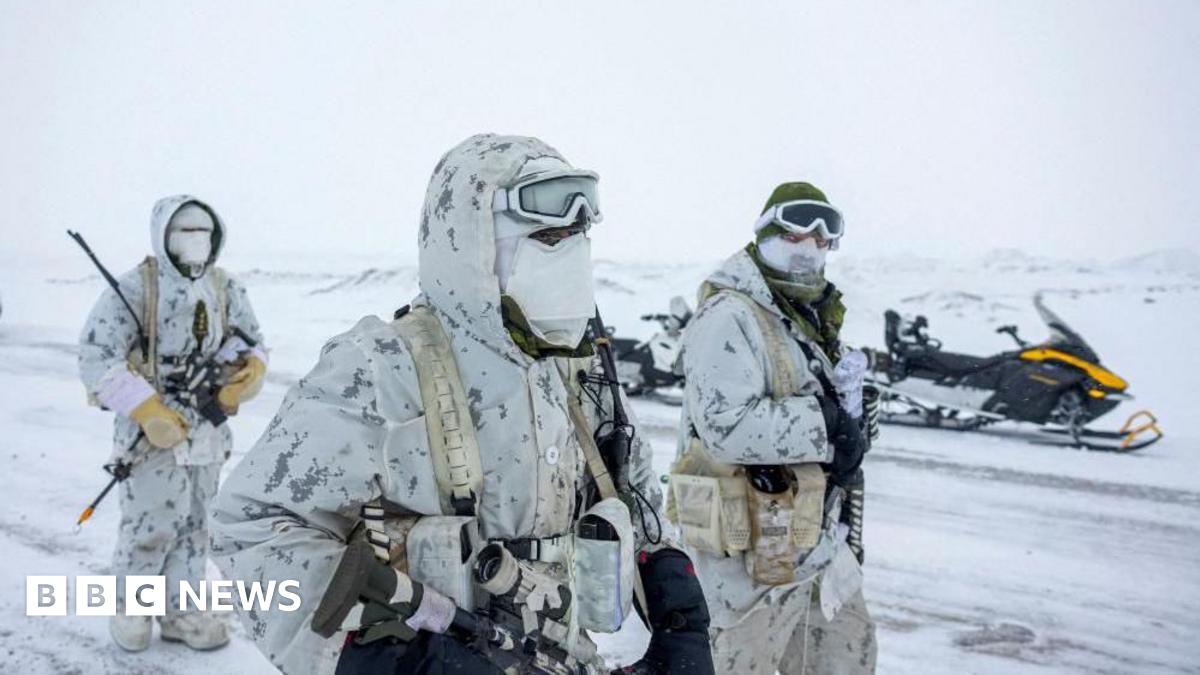
For decades, Canada's commitment to its armed forces was a subject of international scrutiny and domestic concern. Often perceived as a global laggard in defense spending, its military capabilities seemed to be in a perpetual state of decline. Just two years ago, the situation was so dire that a former defense minister ominously warned the Canadian Armed Forces (CAF) were trapped in a "death spiral" due to chronic underfunding and a severe recruitment crisis. Yet, in a stunning reversal of fortune, the nation is now witnessing its biggest military recruitment surge in 30 years, marking a profound turnaround from its previous predicament.
This dramatic shift is not merely a statistical anomaly but a testament to evolving geopolitical realities, strategic policy adjustments, and perhaps a renewed sense of national purpose. The Canadian army, once struggling to fill its ranks, is now growing at a pace not seen in generations, challenging long-held assumptions about the country's military future. This article will explore the multifaceted reasons behind this unexpected boom, its implications for Canada's defense posture, and what it means for its role on the global stage.
The Lingering Shadow of Underfunding and Recruitment Woes
To fully appreciate the current recruitment boom, one must first understand the depth of the crisis that preceded it. For much of the late 20th and early 21st centuries, Canada consistently fell short of NATO's defense spending target of 2% of GDP. This chronic underinvestment led to aging equipment, strained resources, and a perception of a military struggling to meet its commitments. The "death spiral" metaphor was not an exaggeration; it reflected a systemic issue where insufficient funding led to poor conditions, which in turn deterred potential recruits, exacerbating personnel shortages, and further diminishing operational capacity.
Recruitment targets were consistently missed, and the CAF found itself in a demographic bind. An aging force, coupled with a lack of new blood, threatened the long-term viability of various units. The challenges were manifold:
* Demographic Shifts: A smaller proportion of young Canadians were considering military service. * Economic Opportunities: A strong civilian job market offered attractive alternatives. * Perception Issues: A lack of public awareness and sometimes negative media portrayals of military life. * Bureaucratic Hurdles: Protracted application processes and outdated recruitment strategies.
These factors combined to create a formidable barrier to growth, leaving the CAF significantly understaffed and undersized for its mandated roles, both domestically and internationally. The warnings from former defense officials were not hyperbole; they were a stark assessment of a military teetering on the brink.
Geopolitical Tides and a Renewed Sense of Urgency
The pivot point for Canada's military fortunes can largely be traced to a confluence of significant global events. The Russian invasion of Ukraine in February 2022 served as a profound wake-up call, not just for Canada but for many Western nations. It shattered the illusion of a prolonged peace in Europe and underscored the critical importance of robust defense capabilities. This conflict, alongside rising tensions in the Indo-Pacific and the increasing volatility of the international security landscape, forced a reassessment of Canada's defense posture.
The invasion spurred a renewed commitment to defense spending across NATO allies, and Canada was no exception. While still striving to meet the 2% GDP target, there has been a noticeable increase in defense allocations and a more serious national conversation about military readiness. This shift in geopolitical priorities directly impacted public perception and government policy, creating a more fertile ground for military growth.
Furthermore, the CAF has actively adapted its recruitment strategies. Recognizing the need to connect with a younger, more diverse demographic, efforts have been made to streamline the application process, enhance outreach programs, and highlight the diverse career opportunities and benefits of military service. The message has evolved from simply seeking soldiers to offering a path to personal growth, professional development, and meaningful contribution to national and international security.
Strategic Reforms and Attracting New Talent
The recruitment boom is not solely attributable to external factors; internal reforms within the CAF have played a crucial role. Recognizing the urgent need for change, the military has implemented several key initiatives:
* Modernized Recruitment Campaigns: Shifting from traditional advertising to digital platforms and targeted social media campaigns, aiming to reach younger audiences where they are. * Streamlined Application Process: Reducing bureaucratic delays and making it easier for qualified candidates to join, addressing a long-standing complaint. * Enhanced Benefits and Support: Highlighting competitive salaries, comprehensive healthcare, educational opportunities, and support for families, making military service a more attractive career choice. * Focus on Diversity and Inclusion: Actively recruiting from a broader cross-section of Canadian society, including Indigenous peoples, visible minorities, and women, to better reflect the nation's demographics and strengthen the force. * Increased Public Engagement: More visible public events, community outreach, and transparent communication about the CAF's role and values.
These strategic reforms have been instrumental in transforming the CAF's image from a struggling institution to a dynamic and essential national service. The narrative has shifted from one of decline to one of opportunity, purpose, and impact. The "biggest recruitment surge in 30 years" is a direct outcome of these concerted efforts, demonstrating that with political will and adaptive strategies, even deeply entrenched challenges can be overcome.
Implications for Canada's Future and Global Standing
The implications of this recruitment boom are far-reaching. Domestically, a stronger, better-staffed military enhances Canada's ability to respond to natural disasters, conduct search and rescue operations, and maintain Arctic sovereignty. It also provides a vital source of employment and skill development for thousands of young Canadians.
Internationally, a revitalized CAF strengthens Canada's position as a reliable ally and a capable contributor to global peace and security operations. It allows Canada to meet its NATO obligations more effectively and project its values and interests on the world stage with greater credibility. This newfound strength could lead to:
* Increased Influence: A more robust military enhances Canada's diplomatic leverage in international forums. * Enhanced Operational Capacity: The ability to deploy more personnel and resources to peacekeeping missions, humanitarian aid efforts, and joint exercises with allies. * Renewed Confidence: A boost in national pride and confidence in Canada's ability to defend itself and contribute to global stability.
The journey from a "death spiral" to a recruitment boom is a powerful narrative of resilience and adaptation. While challenges undoubtedly remain, including ongoing equipment modernization and maintaining recruitment momentum, the current trajectory is undeniably positive. Canada's military is not just growing in numbers; it is undergoing a profound transformation that promises to reshape its role both at home and abroad. This resurgence signals a new chapter for Canadian defense, one characterized by renewed purpose, enhanced capabilities, and a stronger commitment to its place in a complex and ever-changing world.
Stay Informed
Get the world's most important stories delivered to your inbox.
No spam, unsubscribe anytime.
Comments
No comments yet. Be the first to share your thoughts!