Kerry Reveals: How Four US Presidents Handled Netanyahu's Iran War Push
Former US Secretary of State John Kerry has disclosed that three American presidents—Barack Obama, George W. Bush, and Joe Biden—all rejected Benjamin Netanyahu's persistent proposals for military action against Iran. However, Kerry claims that former President Donald Trump ultimately approved a version of this plan, despite significant internal opposition. This revelation sheds new light on the complex and often contentious relationship between US and Israeli leadership regarding Iran's nuclear ambitions and regional influence.
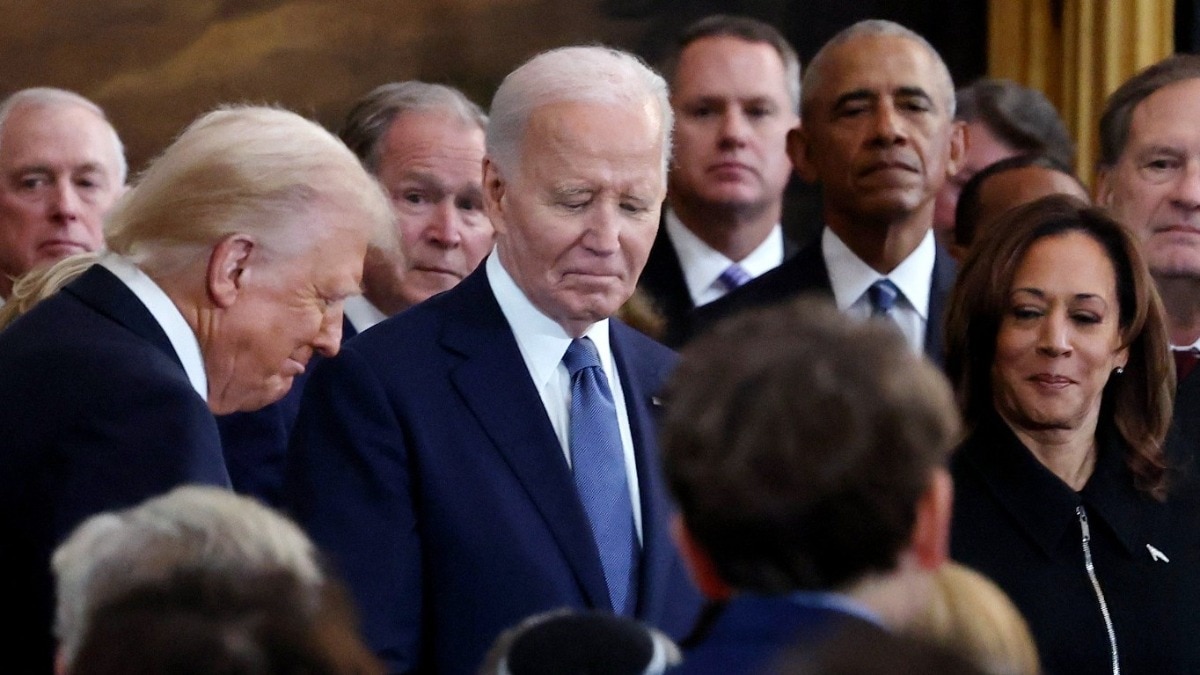
The intricate dance of diplomacy and deterrence in the Middle East has long been defined by the contentious issue of Iran's nuclear program and its regional activities. A recent bombshell revelation from former US Secretary of State John Kerry has pulled back the curtain on decades of high-stakes deliberations, exposing a deep chasm in strategic approaches between successive American administrations and Israeli Prime Minister Benjamin Netanyahu. Kerry claims that three US presidents—George W. Bush, Barack Obama, and even the current incumbent, Joe Biden—all firmly resisted Netanyahu's persistent calls for military intervention against Iran. Yet, according to Kerry, former President Donald Trump ultimately greenlit a version of this very plan, despite considerable internal objections within his administration. This disclosure not only underscores the enduring tension surrounding Iran but also highlights the profound impact of individual presidential doctrines on international relations.
A Decades-Long Campaign: Netanyahu's Stance on Iran
Benjamin Netanyahu's political career has been inextricably linked with his unwavering conviction that Iran poses an existential threat to Israel. For decades, he has been perhaps the most vocal international advocate for a hardline stance, including military action, to neutralize Iran's nuclear capabilities and curb its regional influence. His arguments, often presented with stark urgency, have consistently centered on the belief that Iran cannot be trusted with nuclear technology and that diplomatic solutions are inherently insufficient. This perspective has been a cornerstone of his foreign policy and a recurring theme in his interactions with American leaders. Netanyahu's approach is rooted in a deep-seated fear of a nuclear-armed Iran, which he views as a direct successor to historical threats against the Jewish people. This has led to a relentless campaign to persuade US presidents to adopt a more aggressive posture, often creating friction and testing the limits of the strategic alliance between Washington and Jerusalem.
The Rejectionist Front: Bush, Obama, and Biden
According to Kerry, Netanyahu's proposals for military action against Iran met with consistent resistance from three distinct US administrations. President George W. Bush, known for his assertive foreign policy post-9/11, nonetheless reportedly declined to endorse a preemptive strike against Iran. This decision likely stemmed from a complex calculation of potential blowback, the strain of ongoing wars in Iraq and Afghanistan, and the lack of a clear international consensus for such an action. Bush's focus on counter-terrorism and nation-building in the immediate aftermath of 9/11 meant that opening another major front in the Middle East was a step he was unwilling to take, despite his own hawkish tendencies.
President Barack Obama, who came into office pledging to end the Iraq War and pursue diplomacy, famously pursued the Joint Comprehensive Plan of Action (JCPOA), or the Iran nuclear deal. His administration's strategy was diametrically opposed to military confrontation, opting instead for a multilateral diplomatic framework coupled with crippling sanctions. Obama viewed the JCPOA as the most effective means to prevent Iran from developing nuclear weapons, arguing that it provided unprecedented access for international inspectors and rolled back Iran's nuclear program significantly. Netanyahu vociferously opposed the deal, viewing it as a dangerous concession that would empower Iran, leading to significant public disagreements and a strained relationship between the two leaders.
Even President Joe Biden, who served as Vice President under Obama and has consistently advocated for a return to diplomacy with Iran, reportedly rejected Netanyahu's war plan. Biden's administration has sought to revive the JCPOA, albeit with modifications, and has prioritized de-escalation in the region. His approach aligns with the belief that diplomatic engagement, combined with strategic deterrence, offers a more stable path forward than military conflict, which could easily spiral out of control and destabilize the entire Middle East.
The Trump Era: A Shift in Strategy
The narrative shifts dramatically with President Donald Trump. Kerry's account suggests that Trump, unlike his predecessors, was receptive to Netanyahu's arguments. Trump's foreign policy was characterized by a strong distrust of international agreements, a willingness to challenge established norms, and a transactional approach to alliances. He famously withdrew the US from the JCPOA in 2018, fulfilling a key campaign promise and aligning his administration's policy more closely with Netanyahu's long-held criticisms of the deal. While Kerry's statement implies Trump approved a "version" of Netanyahu's war plan, it's crucial to understand the context. Trump's administration did indeed pursue a highly aggressive "maximum pressure" campaign against Iran, involving: * Unprecedented economic sanctions: Targeting Iran's oil exports, banking sector, and key individuals. * Increased military presence in the Persian Gulf: Deploying additional troops and naval assets. * Covert operations and cyber warfare: Reportedly targeting Iranian infrastructure and military capabilities. * Targeted assassinations: Most notably, the killing of Iranian Quds Force commander Qassem Soleimani in January 2020.
These actions, while not a full-scale invasion, constituted a significant escalation of hostilities and a clear departure from the diplomatic path favored by previous administrations. The "internal objections" Kerry mentions likely refer to the concerns raised by Pentagon officials and State Department diplomats who feared the potential for unintended conflict and the destabilization of the region. Trump's willingness to take such bold and often unilateral actions marked a significant alignment with Netanyahu's desire for a more confrontational approach to Iran.
Implications and Future Outlook
Kerry's revelations offer a critical historical lens through which to view the enduring complexities of US-Israel relations and the persistent challenge of Iran. The fact that three presidents from both major American political parties rejected military action against Iran, while a fourth embraced a more aggressive posture, underscores the deep divisions within US foreign policy circles regarding the best way to manage the Iranian threat. This divergence highlights several key implications:
* Consistency vs. Disruption: It showcases the stark contrast between a more consistent, albeit evolving, diplomatic approach favored by Bush, Obama, and Biden, and the disruptive, unilateralist strategy adopted by Trump. * The Power of Persuasion: Netanyahu's consistent lobbying demonstrates the significant influence a close ally can exert, even when facing resistance from multiple administrations. * Regional Stability: The potential for military conflict with Iran remains a constant concern. Each shift in US policy sends ripples throughout the Middle East, impacting regional alliances, oil markets, and the broader geopolitical landscape. * Domestic Political Dynamics: The Iran issue remains highly politicized in both the US and Israel, often becoming a wedge issue in elections and shaping public discourse.
Looking ahead, the Biden administration continues to grapple with the legacy of Trump's "maximum pressure" campaign and the ongoing challenges posed by Iran's nuclear advancements and regional proxy activities. While a return to the original JCPOA seems increasingly unlikely, diplomatic efforts to contain Iran's nuclear program persist. Kerry's statements serve as a potent reminder of the high stakes involved and the delicate balance required to navigate one of the world's most volatile regions. The path forward will undoubtedly require continued vigilance, strategic foresight, and a careful consideration of both diplomatic opportunities and the potential consequences of escalation.
Stay Informed
Get the world's most important stories delivered to your inbox.
No spam, unsubscribe anytime.
Comments
No comments yet. Be the first to share your thoughts!