KITT's Bizarre Speeding Ticket: The Case of the Phantom Knight Rider Car in NYC
A replica of KITT, the iconic car from 'Knight Rider', housed in an Illinois museum, mysteriously received a speeding ticket from New York City. This perplexing incident highlights the challenges of automated enforcement and raises questions about identity, technology, and the enduring legacy of 80s pop culture. The museum owner is now navigating bureaucratic hurdles to clear the vehicle's name.
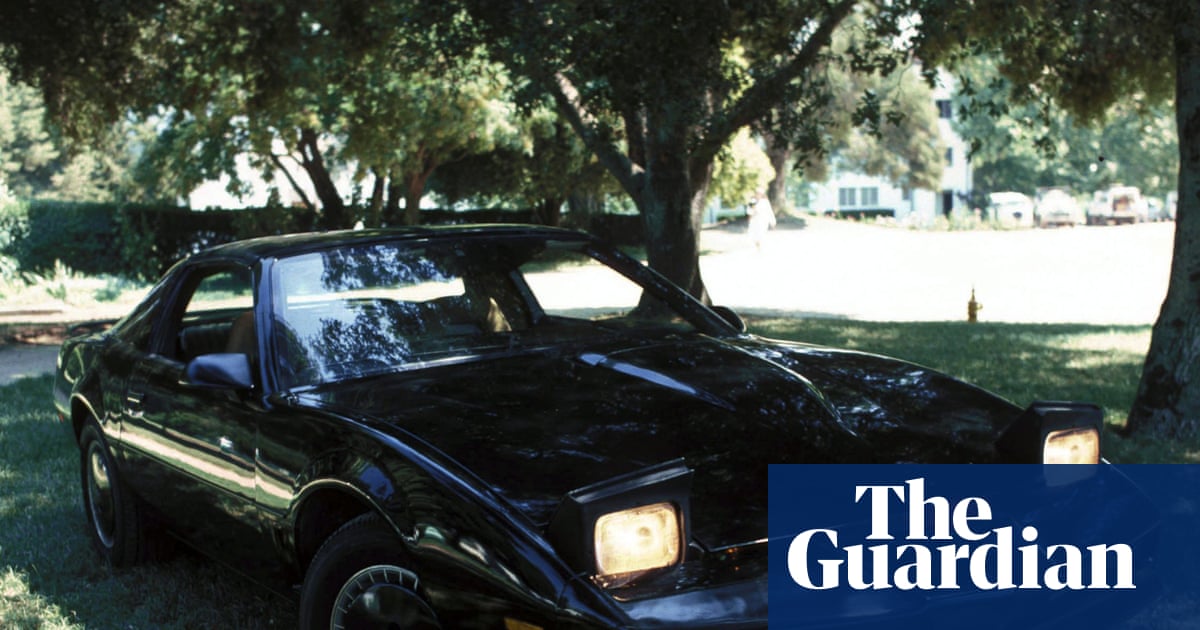
In a plot twist worthy of an 80s television show, a replica of KITT, the intelligent, talking car from the beloved series Knight Rider, found itself embroiled in a real-life legal conundrum. Far from the sun-drenched highways of California where Michael Knight once battled villains, this particular KITT, a meticulously crafted homage, has been a stationary exhibit for years at the Volo Auto Museum, nestled an hour north of Chicago. Yet, to the astonishment of its custodians, a speeding ticket arrived in the mail, alleging a violation committed in the bustling streets of Brooklyn, New York City. This bizarre incident, initially a source of amusement, quickly morphed into a bureaucratic nightmare, shining a spotlight on the complexities of automated enforcement and the peculiar challenges that arise when pop culture icons intersect with modern legal systems.
The Unlikely Suspect: A Stationary Icon Accused
The Volo Auto Museum, a treasure trove of cinematic vehicles and vintage automobiles, proudly displays its KITT replica as a centerpiece, a nostalgic nod to a generation that grew up watching David Hasselhoff and his sentient sidekick. The car, a modified Pontiac Trans Am, is not street legal and has not moved from its designated spot in the museum for years. Brian Grams, director of the Volo Auto Museum, recounted the initial disbelief upon receiving the summons. The ticket, issued by New York City's Department of Finance, cited a speeding violation captured by a traffic camera in Brooklyn. The photographic evidence, however, depicted a vehicle that, while bearing a striking resemblance to KITT, was clearly not the museum's cherished exhibit. The license plate on the ticket matched that of the museum's KITT, an Illinois plate, yet the vehicle in the photo was undeniably different, lacking the distinctive modifications and custom features of the replica. This discrepancy immediately raised red flags, suggesting a case of mistaken identity or, more likely, a fraudulent use of the museum's license plate.
Unraveling the Mystery: Fraud, Clones, and Bureaucracy
The plot thickened as Grams delved deeper into the bizarre affair. It became apparent that the museum's Illinois license plate had been cloned. This sophisticated form of identity theft involves criminals replicating legitimate license plates to avoid tolls, parking fines, or even more serious legal repercussions. The car captured by the New York City speed camera was a dark-colored sedan, a far cry from KITT's sleek, black, futuristic design. The implications of plate cloning are significant, not just for the immediate victim but for the integrity of traffic enforcement systems. It exposes a vulnerability where innocent parties can be held accountable for crimes they did not commit, forcing them into arduous battles to clear their names. Grams's initial attempts to resolve the issue were met with bureaucratic inertia. Despite providing irrefutable evidence – photographs of his KITT stationary in the museum, vehicle identification numbers (VINs), and even sworn affidavits – the process of appealing the ticket proved to be a labyrinthine ordeal, highlighting the difficulties individuals face when challenging automated systems that often lack human oversight in their initial stages.
The Broader Implications: Automated Enforcement and Digital Identity
This incident transcends a mere speeding ticket; it serves as a potent case study on the challenges and pitfalls of modern automated enforcement technologies. Traffic cameras, red-light cameras, and speed cameras are increasingly common tools used by municipalities worldwide to improve road safety and generate revenue. While effective in many respects, their reliance on optical recognition and database matching can lead to errors, especially when confronted with sophisticated fraud like plate cloning. The KITT case underscores the critical need for robust verification processes and accessible appeal mechanisms. Furthermore, it touches upon the broader theme of digital identity and its vulnerability. In an age where digital footprints are ubiquitous, the ease with which identifying information, such as a license plate number, can be replicated and misused raises serious concerns about privacy and security. For ordinary citizens, navigating such a system can be daunting, often requiring significant time and resources to prove innocence against an automated accusation.
A Cultural Phenomenon's Enduring Legacy
Beyond the legal entanglements, the KITT saga is a testament to the enduring cultural impact of Knight Rider. The show, which aired from 1982 to 1986, captivated audiences with its futuristic premise: a crime fighter aided by an artificially intelligent car. KITT, voiced by William Daniels, was more than just a vehicle; it was a character, a symbol of technological prowess and unwavering loyalty. The show tapped into a burgeoning fascination with AI and advanced robotics, themes that remain highly relevant today. The fact that a replica of KITT can become the subject of a real-world legal dispute decades after the show's initial run speaks volumes about its indelible mark on popular culture. It highlights how certain fictional creations transcend their original medium to become cultural touchstones, capable of sparking conversations about technology, law, and even identity in unexpected ways. The museum's KITT, now inadvertently famous for its phantom speeding, continues to draw visitors, perhaps now with an added layer of intrigue.
Navigating the Bureaucratic Maze and Looking Forward
Brian Grams's journey to clear KITT's name has been a lesson in perseverance. He has engaged with legal counsel, contacted the Illinois Secretary of State to report the cloned plate, and meticulously documented every step of his appeal. The case serves as a cautionary tale for vehicle owners everywhere, emphasizing the importance of vigilance regarding one's license plates and the potential for their misuse. While the immediate goal is to nullify the ticket and prevent future fraudulent charges, the incident also prompts a broader reflection on how cities can enhance the security and accuracy of their automated enforcement systems. Implementing multi-factor verification, such as cross-referencing plate numbers with vehicle make and model, or integrating AI-driven image analysis to detect anomalies, could mitigate such incidents. For the Volo Auto Museum, KITT remains a beloved, stationary exhibit, its unexpected brush with the law adding another fascinating chapter to its storied existence. This peculiar tale reminds us that even in an increasingly automated world, human intervention and critical thinking remain indispensable in upholding justice and ensuring that even iconic cars are not unjustly accused.
In conclusion, the KITT speeding ticket saga is a captivating blend of pop culture, technology, and legal bureaucracy. It's a story that resonates because it touches on universal themes: the struggle against impersonal systems, the impact of technological advancement, and the enduring power of cultural icons. As the museum continues its fight, this incident stands as a quirky yet significant reminder of the complexities inherent in our modern, interconnected world, where even a fictional car can find itself caught in a very real legal bind.
Stay Informed
Get the world's most important stories delivered to your inbox.
No spam, unsubscribe anytime.
Comments
No comments yet. Be the first to share your thoughts!