Lebanon's Escalating Crisis: 3,000 Dead as Israel-Hezbollah Conflict Intensifies
The death toll in Lebanon has tragically surpassed 3,000 amidst the latest surge in fighting between Israel and the Iranian-backed Hezbollah. This grim milestone underscores the deepening humanitarian crisis and regional instability. International calls for de-escalation grow louder as the conflict threatens to engulf the wider Middle East, with civilians bearing the brunt of the violence.
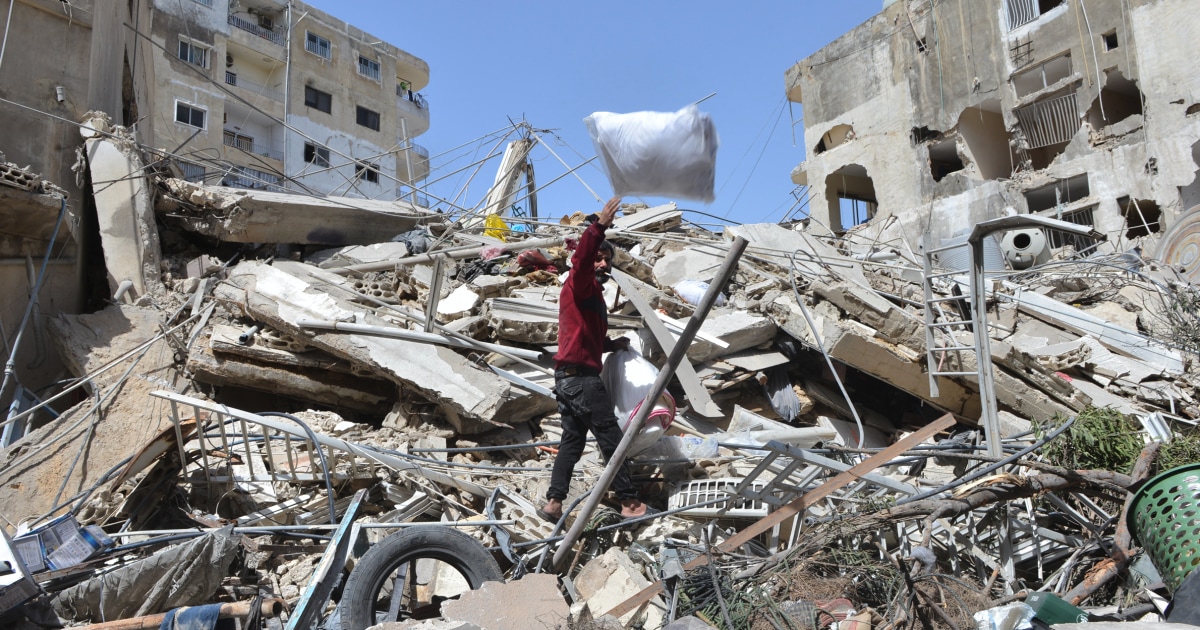
BEIRUT — The grim reality of a protracted conflict continues to unfold in Lebanon, where the Ministry of Health confirmed Monday that the death toll from the latest round of fighting between Israel and the Iranian-backed Hezbollah has tragically surpassed 3,000. This devastating figure, now standing at 3,020 killed in Israeli strikes, paints a stark picture of a nation teetering on the brink, caught in the crossfire of a deeply entrenched regional struggle. The relentless exchange of fire has not only claimed thousands of lives but has also displaced hundreds of thousands, shattered infrastructure, and plunged an already fragile economy into deeper despair.
A Nation Under Siege: The Human Cost
The numbers released by Lebanon's health ministry are more than mere statistics; they represent lives cut short, families torn apart, and communities scarred. The vast majority of the casualties are Lebanese civilians, including a disproportionate number of women and children, highlighting the indiscriminate nature of modern warfare. Hospitals, already struggling with chronic shortages and an overburdened healthcare system, are now overwhelmed by the influx of wounded, many with severe injuries requiring complex and long-term care. The psychological toll on survivors, particularly children exposed to constant violence and displacement, is immeasurable and will undoubtedly have lasting consequences for generations.
Beyond the immediate fatalities, the conflict has triggered a massive humanitarian crisis. The United Nations estimates that over 1.5 million people have been internally displaced within Lebanon, forced to abandon their homes and livelihoods in search of safety. These displaced populations often reside in overcrowded shelters with inadequate access to food, water, and medical supplies, creating fertile ground for the spread of disease. Essential services, including electricity and clean water, have been severely disrupted in many areas, exacerbating the suffering. The destruction of homes, schools, and vital infrastructure means that even if the fighting were to cease tomorrow, the path to recovery would be arduous and prolonged. The economic impact is equally devastating, with businesses shuttered, agricultural lands destroyed, and the tourism sector, a crucial pillar of the Lebanese economy, brought to a standstill.
Historical Roots of a Volatile Border
To understand the current escalation, one must delve into the complex history of the Israel-Lebanon border, a frontier marked by decades of conflict and mistrust. The presence of Hezbollah, a powerful Shiite political party and militant group, has been a central factor in this dynamic. Founded in the 1980s with Iranian backing, Hezbollah emerged as a resistance movement against Israeli occupation in southern Lebanon. Over the years, it has evolved into a formidable military force, possessing a vast arsenal of rockets and missiles, and a significant political player within Lebanon's sectarian power-sharing system. Israel views Hezbollah as a direct threat to its security, particularly given its close ties to Iran, a regional adversary.
Key historical flashpoints include: * 1982 Israeli invasion of Lebanon: Aimed at rooting out the PLO, it led to a prolonged Israeli presence. * 2000 Israeli withdrawal: Ended 18 years of occupation in southern Lebanon. * 2006 Lebanon War: A 34-day conflict between Israel and Hezbollah, resulting in significant casualties and destruction on both sides, and a UN-brokered ceasefire (UNSCR 1701) that has largely failed to prevent subsequent skirmishes.
The current fighting is often seen as an extension of this unresolved historical animosity, with each side accusing the other of provocation and aggression. The broader regional context, including the ongoing Israeli-Palestinian conflict and the geopolitical rivalry between Iran and its regional opponents, further complicates any prospects for lasting peace.
Regional Implications and International Response
This latest surge in violence is not an isolated event; it is deeply intertwined with the broader instability plaguing the Middle East. The conflict risks drawing in other regional actors, potentially triggering a wider conflagration that could have catastrophic consequences. Iran's steadfast support for Hezbollah, both financially and militarily, positions the group as a key proxy in the Islamic Republic's regional strategy, further entangling the conflict in a complex web of alliances and rivalries. The United States, a staunch ally of Israel, has repeatedly called for de-escalation while simultaneously reaffirming its commitment to Israel's security.
International efforts to mediate a ceasefire and provide humanitarian aid have been met with limited success. The United Nations, along with various international organizations, has issued urgent appeals for a cessation of hostilities and increased humanitarian access. However, political divisions within the international community and the deep-seated mistrust between the belligerents have hampered effective intervention. The lack of a unified and robust international response risks allowing the conflict to fester, perpetuating the cycle of violence and suffering.
The Path Forward: A Precarious Future
The future for Lebanon remains profoundly uncertain. The immediate priority is an unconditional ceasefire to halt the bloodshed and allow humanitarian aid to reach those in desperate need. However, a lasting peace will require more than just a pause in fighting. It demands a comprehensive political solution that addresses the root causes of the conflict, including the status of Hezbollah's armed wing, the security concerns of both Israel and Lebanon, and the broader regional power dynamics.
For Lebanon, the challenge is multifaceted. The country's political system, already strained by corruption and internal divisions, must find a way to unite and rebuild. International support, both financial and diplomatic, will be crucial for reconstruction efforts and for strengthening state institutions. The international community must exert sustained pressure on all parties to adhere to international law, protect civilians, and engage in meaningful dialogue. Without a concerted effort from both regional and global actors, the specter of continued conflict and instability will loom large over Lebanon, threatening to further destabilize an already volatile region. The 3,000 lives lost serve as a tragic reminder of the urgent need for peace and reconciliation.
Key Challenges for Lebanon:
* Humanitarian Crisis: Addressing the needs of displaced populations and rebuilding infrastructure. * Political Instability: Overcoming internal divisions and strengthening governance. * Economic Collapse: Revitalizing the economy and creating opportunities for recovery. * Regional Geopolitics: Navigating complex alliances and rivalries to secure lasting peace.The path ahead is fraught with peril, but the alternative—a continued descent into violence—is simply unacceptable. The international community, regional powers, and the Lebanese people themselves must collectively strive for a future where peace, stability, and human dignity prevail.
Stay Informed
Get the world's most important stories delivered to your inbox.
No spam, unsubscribe anytime.
Comments
No comments yet. Be the first to share your thoughts!