Mandelson Vetting Scandal Rocks UK Government: Starmer Under Pressure
A political firestorm has erupted in the UK following revelations that Lord Peter Mandelson failed initial security vetting checks, a fact Prime Minister Keir Starmer claims he was never informed of. This 'staggering' disclosure has plunged the government into crisis, raising serious questions about national security protocols, transparency, and the integrity of high-level appointments. With calls for Starmer's resignation mounting, the scandal threatens to destabilize the political landscape and erode public trust.
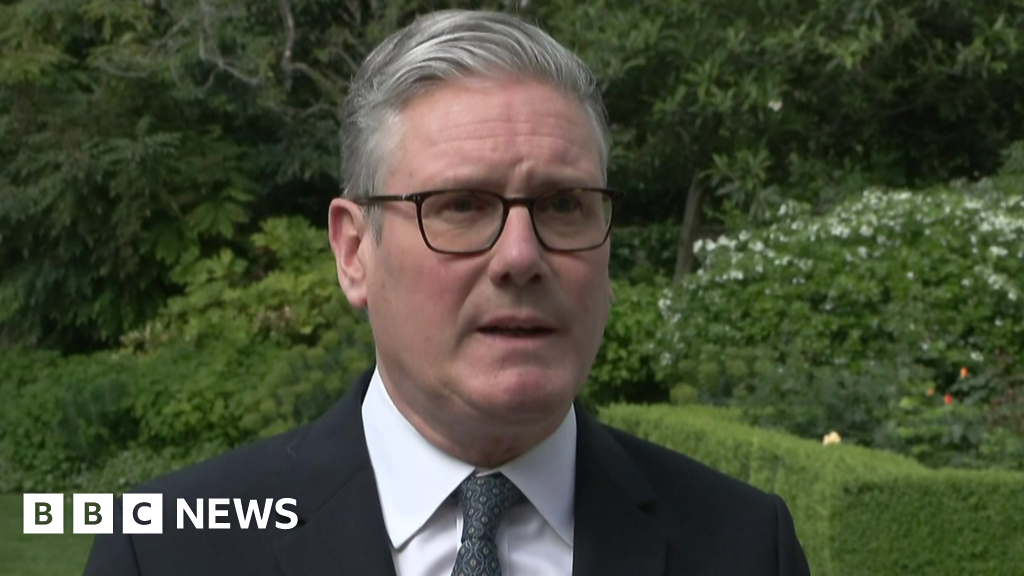
In a political earthquake that has sent shockwaves through Westminster, Prime Minister Sir Keir Starmer finds himself at the epicenter of a burgeoning scandal, facing intense scrutiny and calls for his resignation. The controversy stems from the astonishing revelation that Lord Peter Mandelson, a figure of considerable influence within British politics, failed initial security vetting checks – a critical piece of information Starmer vehemently asserts he was never privy to. This disclosure has not only cast a long shadow over the government's operational integrity but has also ignited a fierce debate about the standards of transparency and accountability at the highest echelons of power.
The Unfolding Crisis: A Breach of Trust?
The heart of the current maelstrom lies in the Prime Minister's assertion that he was kept in the dark regarding Mandelson's vetting failure. "It's staggering that I, as prime minister, was not told about Lord Peter Mandelson failing to pass initial security vetting checks," Starmer reportedly stated, expressing a sentiment of disbelief that has resonated across the political spectrum. This claim immediately raises profound questions: Who knew? When did they know? And why was the Prime Minister, the ultimate arbiter of national security and high-level appointments, not informed of such a significant red flag concerning a prominent figure?
The implications of this alleged oversight are far-reaching. At its core, it suggests a potential breakdown in communication within the security apparatus or, more disturbingly, a deliberate withholding of crucial intelligence from the nation's leader. Either scenario points to a systemic flaw that could compromise national security and undermine public confidence in the government's ability to protect its interests. The public, already wary of political machinations, is now left to wonder if vital information is being selectively managed or suppressed.
Lord Mandelson: A Figure of Influence and Controversy
Lord Peter Mandelson is no stranger to the political spotlight. A key architect of New Labour, he served in various high-profile ministerial roles under Prime Minister Tony Blair, including Secretary of State for Northern Ireland and Secretary of State for Trade and Industry. Known for his strategic acumen and often dubbed the 'Prince of Darkness' due to his perceived manipulative prowess, Mandelson has remained an influential voice in British politics and business long after leaving frontline government.
His career, while impactful, has also been punctuated by controversy. He resigned from government twice in the late 1990s and early 2000s over allegations related to home loans and passport applications, though he was later cleared of wrongdoing in some instances. These past episodes, while distinct from the current vetting scandal, contribute to a public perception of a figure often embroiled in complex ethical and procedural questions. The current revelation about his security vetting failure, regardless of the reasons behind it, adds another layer to his already intricate public persona and intensifies the scrutiny on those who appointed him or allowed him to continue in influential roles.
The Vetting Process: A Pillar of National Security
Security vetting is a fundamental component of protecting national interests, particularly when individuals are granted access to sensitive information or hold positions of significant influence. The process typically involves a thorough background check, examining an individual's financial history, personal conduct, associations, and any potential vulnerabilities that could be exploited. The goal is to assess an individual's reliability, trustworthiness, and loyalty to the state.
For someone to fail initial security vetting checks implies that significant concerns were identified, concerns deemed serious enough to warrant a red flag. The nature of these concerns is currently undisclosed, adding to the speculation and anxiety surrounding the issue. The fact that such a failure was seemingly circumvented or ignored, leading to Mandelson's continued involvement in high-level circles, suggests a profound lapse in the system. This incident forces a critical re-evaluation of how these vital security protocols are managed, communicated, and ultimately respected within the governmental structure.
Political Fallout and Calls for Resignation
The immediate political fallout has been severe. Opposition parties have seized upon the revelations, demanding answers and accountability. Calls for Sir Keir Starmer's resignation have intensified, with critics arguing that as Prime Minister, he bears ultimate responsibility for the integrity of his government and the security of the nation. The argument is that even if he was not directly informed, the failure of the system under his watch is a dereliction of duty.
This scandal comes at a particularly sensitive time for the government, which is already navigating a complex domestic agenda and a volatile international landscape. A crisis of confidence at the top could severely impede its ability to govern effectively, leading to parliamentary gridlock and a further erosion of public trust. The government's response will be critical in determining the longevity and depth of this political crisis. Transparency, a full inquiry, and swift corrective actions will be essential to mitigate the damage.
Historical Precedents and Future Implications
The UK has a history of political scandals involving security breaches or questions of integrity, from the Profumo Affair in the 1960s to more recent controversies surrounding parliamentary expenses or lobbying. Each incident has, in its own way, tested the resilience of democratic institutions and the public's faith in its leaders. The Mandelson vetting scandal, while distinct, taps into similar anxieties about hidden agendas, elite privilege, and the potential for national security to be compromised by political expediency.
Looking ahead, this episode will undoubtedly lead to a rigorous review of security vetting procedures and the communication channels between intelligence agencies and the Prime Minister's office. There will be increased pressure for greater transparency regarding the reasons for vetting failures and the processes by which individuals are cleared or excluded from sensitive roles. For the public, it reinforces the importance of a vigilant press and robust opposition in holding power to account. The long-term implications could include a more formalized and transparent system for high-level appointments, ensuring that security concerns are never sidelined in the pursuit of political advantage. The integrity of the state depends on it.
Stay Informed
Get the world's most important stories delivered to your inbox.
No spam, unsubscribe anytime.
Comments
No comments yet. Be the first to share your thoughts!