Petit Planet: The Cozy Sci-Fi Adventure Redefining Simulation Gaming
Petit Planet, a highly anticipated title, is poised to revolutionize the simulation genre by blending the whimsical charm of "The Little Prince" with the intricate world-building of miHoYo. This game promises a serene escape, challenging the traditional grind of farming and crafting sims with its unique blend of exploration, resource management, and narrative depth. It's designed to captivate both genre veterans and newcomers, offering a refreshing take on what a 'perfect day' in a virtual world can entail.
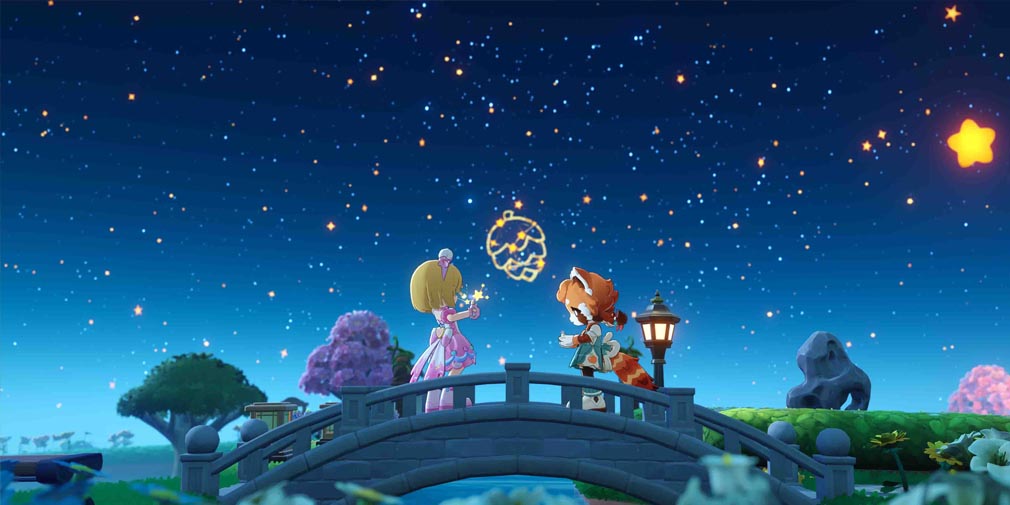
In an increasingly fast-paced digital landscape, where competitive esports and high-octane action often dominate the gaming discourse, a new star is quietly rising, promising a different kind of escape. Petit Planet, a title generating significant buzz, is poised to redefine the cozy simulation genre, offering a tranquil yet deeply engaging experience that has even skeptics of farming and crafting sims taking notice. Imagine a world where your biggest concern is not a boss battle, but rather finding the perfect ingredients for a divine cup of tea, or simply gazing at the stars without the weight of the daily grind. This is the promise of Petit Planet, a game that blends the philosophical wonder of Antoine de Saint-Exupéry’s “The Little Prince” with the meticulous world-crafting sensibilities reminiscent of miHoYo, the powerhouse behind global sensations like Genshin Impact and Honkai: Star Rail.
The Allure of the "Cozy Game" Phenomenon
The rise of "cozy games" is not a new trend, but rather a burgeoning movement reflecting a collective yearning for digital sanctuaries. Titles like Animal Crossing: New Horizons, Stardew Valley, and Spiritfarer have demonstrated the immense appeal of games that prioritize relaxation, creativity, and personal expression over combat and high stakes. These games offer a respite from the anxieties of modern life, allowing players to cultivate virtual gardens, build dream homes, and forge meaningful connections at their own pace. Petit Planet taps directly into this zeitgeist, but with a distinctive twist. While many cozy games ground themselves in pastoral or fantastical settings, Petit Planet ventures into the cosmic, offering a sci-fi-infused pastoral that is both familiar and refreshingly novel. This unique blend suggests a game that understands the core appeal of the genre—the joy of creation and the peace of routine—while simultaneously pushing its boundaries into unexplored narrative and aesthetic territories. The idea of "The Little Prince, but make it miHoYo" perfectly encapsulates this ambition: a profound narrative journey wrapped in a visually stunning, meticulously designed interactive world.
MiHoYo's Influence: A Blueprint for Success
When the name miHoYo is invoked, it immediately conjures images of breathtaking art direction, deep lore, and polished gameplay mechanics. Their track record with Genshin Impact, which has generated billions in revenue and captivated millions of players worldwide, is a testament to their ability to craft immersive and enduring virtual worlds. While Petit Planet is not directly developed by miHoYo, the comparison highlights the aspirational quality and potential depth of the game. It suggests a commitment to high production values, intricate character designs, and a world rich with hidden stories and secrets waiting to be uncovered. This influence is critical, as it elevates Petit Planet beyond a mere farming simulator; it hints at a narrative-driven experience where exploration and discovery are as paramount as resource gathering. Players can expect a universe that feels alive, with diverse biomes, unique alien flora and fauna, and perhaps even enigmatic ancient civilizations, all rendered with a visual fidelity that would make miHoYo proud. The expectation is that Petit Planet will offer not just a sandbox, but a universe with a purpose, a journey of self-discovery amidst the stars.
Gameplay Mechanics: Beyond the Harvest
At its core, Petit Planet promises familiar simulation elements: farming, crafting, and resource management. However, the source material suggests these are merely the foundations upon which a much grander experience is built. The emphasis is less on the tedious grind and more on the joy of discovery and the satisfaction of creation. Players will likely manage their own miniature celestial body, cultivating exotic crops, mining rare cosmic minerals, and crafting tools and structures necessary for survival and expansion. But what truly sets it apart is the implied narrative depth and exploration. Instead of just growing carrots, players might be nurturing glowing space-fruits that attract unique creatures, or crafting advanced telescopes to chart new constellations. The "Little Prince" inspiration suggests a focus on relationships, not just with the environment, but potentially with other inhabitants of this cosmic tapestry. This could manifest as NPC interactions, questlines that delve into philosophical themes, or even multiplayer elements that foster collaborative exploration and community building. The game's potential to turn a non-fan of the genre into an enthusiast speaks volumes about its innovative approach to traditional mechanics, promising a streamlined, intuitive, and rewarding loop that prioritizes player enjoyment over repetitive tasks.
The "Little Prince" Philosophy: A Narrative Compass
Central to Petit Planet's appeal is its spiritual connection to "The Little Prince." This classic novella is not just a children's story; it's a profound meditation on love, loss, friendship, and the meaning of life. Its themes of nurturing one's unique rose, understanding the essence of what is truly important, and the bittersweet nature of connections could form the narrative backbone of Petit Planet. Players might find themselves tending to their own metaphorical rose, a unique element on their planet that requires care and understanding. The exploration of different planets and encountering their unique inhabitants could mirror the Little Prince's journey, each encounter offering a lesson or a new perspective. This philosophical underpinning elevates Petit Planet from a simple simulation to an experiential journey, inviting players to reflect on their own values and priorities. It suggests a game that isn't just about accumulating resources, but about cultivating a sense of wonder, fostering empathy, and appreciating the beauty in the small, often overlooked details of existence. This depth is what could truly make Petit Planet a landmark title, offering more than just entertainment, but a contemplative and enriching experience.
Anticipated Impact and Forward Look
Petit Planet is poised to make a significant impact on the gaming landscape, particularly within the simulation and cozy game genres. Its unique blend of sci-fi aesthetics, philosophical narrative, and refined gameplay mechanics could attract a broad audience, from seasoned simulation veterans looking for a fresh challenge to newcomers seeking a gentle entry point into the genre. If it lives up to its ambitious premise, Petit Planet could set a new benchmark for narrative-driven simulation games, proving that deep philosophical themes can coexist harmoniously with engaging gameplay loops. It represents a growing trend in game development towards experiences that prioritize emotional resonance and player well-being, offering a much-needed antidote to the often-stressful world of competitive gaming. As we look forward to its release, Petit Planet stands as a beacon of innovation, promising not just a game, but an entire universe to explore, nurture, and ultimately, to understand. It's an invitation to rediscover the joy of simply being, under a sky full of stars, with nothing to stress about but the perfect brew. The future of cozy gaming, it seems, is looking wonderfully cosmic.
Stay Informed
Get the world's most important stories delivered to your inbox.
No spam, unsubscribe anytime.
Comments
No comments yet. Be the first to share your thoughts!