The Unbearable Weight of Grief: Wendy Duffy's Choice and the Evolving Debate on Assisted Dying
Four years after the tragic death of her only son, Wendy Duffy, a 56-year-old physically healthy woman, traveled to Switzerland to end her life at the Pegasos clinic. Her case reignites the complex global debate on assisted dying, highlighting the profound impact of psychological suffering and the differing legal frameworks across nations. This deeply personal tragedy underscores the urgent need for comprehensive discussions on end-of-life choices and mental health support.
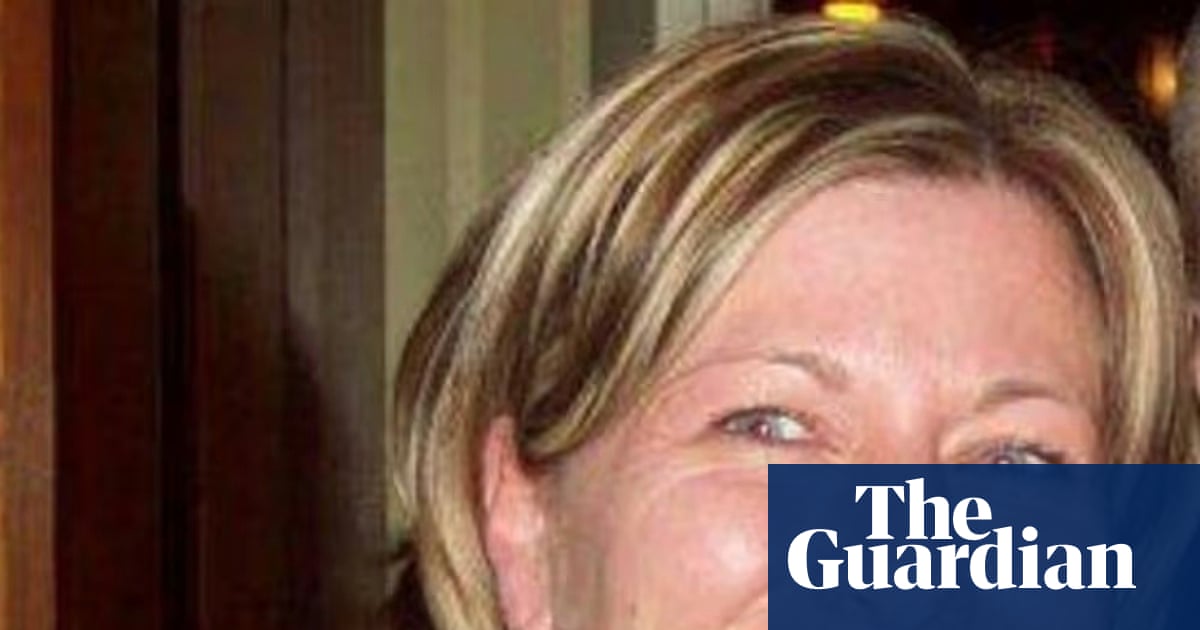
In the quiet, clinical rooms of Pegasos in Basel, Switzerland, a life ended not due to physical illness, but from a grief so profound it became unbearable. Wendy Duffy, a 56-year-old woman from England, chose to end her life, four years after the devastating loss of her only son, 23-year-old Ryan. Her story is not merely a personal tragedy; it is a stark, poignant reflection of the complex, often agonizing, global debate surrounding assisted dying, particularly when psychological suffering, rather than terminal physical illness, is the primary driver.
Duffy's case stands as a powerful testament to the crushing weight of bereavement and the limits of conventional support systems. Physically healthy, she made the arduous journey to a country where assisted dying is legally permissible under specific circumstances, a stark contrast to her home nation where such acts remain illegal. Her decision has sent ripples across the UK and beyond, forcing a renewed examination of compassion, autonomy, and the definition of 'suffering' in end-of-life discussions.
The Legal Labyrinth of Assisted Dying
The legal landscape surrounding assisted dying is a patchwork of differing philosophies and regulations worldwide. Switzerland, alongside countries like Canada, Belgium, and the Netherlands, has some of the most liberal laws, allowing assisted dying for individuals suffering from incurable illnesses or severe disabilities, and in some cases, profound psychological suffering. In contrast, the United Kingdom, like many other nations, maintains a strict prohibition, with the Assisted Dying Bill for England and Wales recently failing to pass. This legislative stalemate leaves individuals like Wendy Duffy with limited options within their own borders.
Historically, the debate has largely centered on terminal physical illness, where a patient faces imminent death and seeks to alleviate prolonged suffering. However, cases like Duffy's push the boundaries, questioning whether intractable psychological suffering should also be a valid criterion. Proponents argue for individual autonomy and the right to choose a dignified end to suffering, regardless of its origin. They emphasize that mental anguish can be as debilitating, if not more so, than physical pain, and that denying this choice is a form of cruelty.
Opponents, conversely, raise concerns about the sanctity of life, the potential for abuse, and the difficulty in accurately assessing the 'incurability' of psychological conditions. They fear a slippery slope where vulnerable individuals might be pressured or where treatable conditions are mistaken for untreatable ones. The ethical quandary is immense: how does society balance compassion for the suffering individual with the imperative to protect life and prevent premature death?
The Unseen Battle: Grief and Mental Health
Wendy Duffy's story underscores the often-underestimated power of grief as a destructive force. While grief is a natural human response to loss, for some, it transcends normal mourning and evolves into a chronic, debilitating condition. Complicated grief, or prolonged grief disorder, is a recognized mental health condition characterized by persistent, intense yearning, sorrow, and preoccupation with the deceased, lasting for an extended period (typically over 6-12 months) and significantly impairing daily functioning. It is distinct from major depression, though co-occurrence is common.
Statistics reveal the pervasive nature of grief's impact. Studies indicate that a significant percentage of bereaved individuals experience symptoms of depression, anxiety, and even post-traumatic stress disorder. For parents who lose a child, the risk of developing complicated grief is particularly high, with some research suggesting rates as high as 10-20%. The loss of an only child, as in Duffy's case, often intensifies this suffering, removing a primary source of future hope and meaning. The emotional void can be absolute, leading to a profound sense of purposelessness.
Experts in mental health emphasize that while grief is not a mental illness in itself, its prolonged and disabling forms require clinical intervention. Therapies such as Complicated Grief Treatment (CGT), cognitive behavioral therapy (CBT), and support groups can be highly effective. However, the availability and accessibility of these specialized services vary greatly, and even with the best support, some individuals may find their suffering unremitting. Duffy's choice highlights a tragic gap: what happens when conventional treatments and support systems, for whatever reason, fail to alleviate such profound anguish?
Implications for Policy and Public Discourse
Wendy Duffy's case is a powerful catalyst for re-evaluating current policies and public perceptions. It forces societies to confront uncomfortable questions: Should the definition of 'unbearable suffering' be expanded to include psychological pain? How can safeguards be put in place to ensure that individuals seeking assisted dying for psychological reasons are not suffering from treatable conditions or undue influence? What role should mental health professionals play in such assessments?
In countries where assisted dying for psychological suffering is permitted, such as Belgium and the Netherlands, stringent criteria are applied. Typically, the suffering must be unbearable and untreatable, the patient must be competent to make the decision, and multiple independent medical and psychological assessments are required. Even with these safeguards, these cases remain controversial and rare, often involving individuals with severe, chronic mental illnesses that have resisted all forms of treatment over many years.
The failure of the Assisted Dying Bill in England and Wales indicates a deep societal division on the issue. While public opinion polls often show significant support for assisted dying in cases of terminal physical illness, the debate becomes far more complex when psychological suffering is introduced. This complexity necessitates not just legislative action, but a broader societal conversation about death, dignity, mental health, and the limits of medical intervention. It also prompts a critical look at the adequacy of current bereavement support services and mental healthcare funding.
A Path Forward: Compassion, Dialogue, and Support
Wendy Duffy's final act is a tragic reminder that behind every statistic and legal debate lies immense human suffering. Her story should not be viewed as an endorsement or condemnation of assisted dying, but rather as an urgent call to action. It compels us to foster a society that provides robust, accessible mental health support for those grappling with profound grief and psychological pain. It demands a more nuanced and compassionate public dialogue about end-of-life choices, one that acknowledges the diverse forms of human suffering.
The path forward involves several critical components: enhanced funding for bereavement counseling and specialized mental health services, particularly for complicated grief; continued research into the most effective treatments for severe psychological suffering; and an open, respectful societal debate about the ethical boundaries of assisted dying. This debate must involve not only lawmakers and medical professionals but also ethicists, mental health advocates, and most importantly, individuals and families who have faced unimaginable loss. Only through such comprehensive engagement can we hope to address the profound questions raised by Wendy Duffy's heartbreaking decision, ensuring that no one feels such an extreme measure is their only recourse.
Stay Informed
Get the world's most important stories delivered to your inbox.
No spam, unsubscribe anytime.
Comments
No comments yet. Be the first to share your thoughts!