The Unspoken Truth: Why Pentagon Pete Avoided 'Iran' and 'Gas' in Kentucky
During a recent appearance in Hebron, Kentucky, Secretary of Defense Pete Hegseth and Congressman Ed Gallrein conspicuously sidestepped mentioning 'Iran' and 'gas'. This strategic omission, analyzed in light of current geopolitical tensions and domestic energy debates, reveals a calculated political maneuver. Our report delves into the implications of this silence and what it signifies for U.S. foreign policy and public discourse.
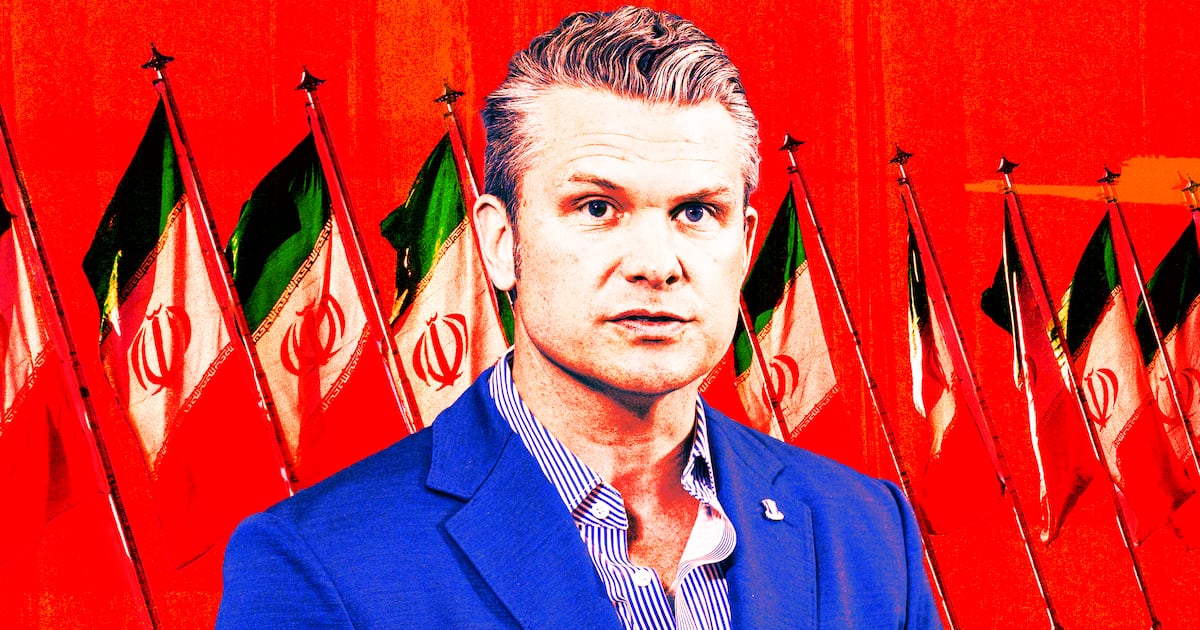
In the annals of political discourse, what remains unsaid often speaks volumes louder than any pronouncement. Such was the case on a Monday in Hebron, Kentucky, at the DoubleTree by Hilton hotel, where Secretary of Defense Pete Hegseth and Republican Congressman Ed Gallrein engaged with constituents. Amidst their extensive remarks, two words were conspicuously absent from their vocabulary: Iran and gas. This deliberate silence, far from being an oversight, appears to be a calculated maneuver, offering a stark glimpse into the intricate dance between foreign policy, domestic politics, and public perception.
The event, ostensibly a town hall or a public engagement session, provided a platform for the two prominent figures to address a range of issues. Yet, the glaring omission of topics as pivotal as the geopolitical flashpoint of Iran and the perennial domestic concern of gas prices raises critical questions. Why would high-ranking officials, particularly a Secretary of Defense, shy away from discussing subjects that are not only central to their portfolios but also deeply impactful on the lives of everyday Americans?
The Geopolitical Tightrope: Navigating the Iran Question
The silence surrounding Iran is particularly striking given the country's persistent role as a major point of contention in international relations and U.S. foreign policy. For decades, Iran has been a complex challenge for successive American administrations, marked by nuclear ambitions, regional proxy conflicts, and human rights concerns. The U.S. currently maintains a robust sanctions regime against Tehran, aiming to curb its nuclear program and destabilizing activities in the Middle East. Any discussion of U.S. defense strategy or global security would naturally involve Iran.
However, mentioning Iran in a public forum, especially in a domestic context, can be fraught with political peril. It immediately conjures images of potential conflict, economic sanctions, and the complexities of Middle Eastern diplomacy. For an administration keen on projecting stability or avoiding controversy, especially in a potentially divided audience, sidestepping such a hot-button issue might be seen as a safer bet. The current administration's stance on Iran has often been characterized by a mix of diplomatic overtures and firm warnings, making public statements on the matter highly scrutinized. Perhaps the avoidance was an attempt to prevent misinterpretation or to maintain a consistent, pre-approved messaging strategy that prioritizes other narratives.
Moreover, the domestic political landscape surrounding Iran is deeply polarized. While some advocate for a more aggressive stance, others push for diplomatic engagement. Bringing up Iran could inadvertently alienate segments of the audience or force the officials to take a more definitive position than they were prepared to articulate in that specific setting. It’s a classic example of political calculus: sometimes, the best way to control a narrative is to avoid introducing unpredictable variables.
The Energy Conundrum: The Silence on Gas Prices
The omission of gas is equally telling, albeit for different reasons. Fuel prices are a direct and tangible concern for nearly every American household and business. Fluctuations at the pump have immediate economic and political ramifications, often serving as a barometer for public sentiment regarding the economy and the incumbent administration's performance. High gas prices can fuel public discontent, regardless of the underlying global market forces or domestic policy decisions that contribute to them.
For a Republican congressman and a Secretary of Defense, addressing gas prices would typically involve discussing energy policy, domestic oil production, strategic reserves, and global supply chains. These are areas where the administration might face criticism, particularly if prices are perceived as high or volatile. By avoiding the topic, Hegseth and Gallrein might have sought to:
* Divert attention: Shift focus to more favorable topics or achievements. * Avoid blame: Prevent being associated with negative economic indicators. * Maintain a unified front: Steer clear of internal policy debates or differing opinions within the party regarding energy strategy.
Historically, gas prices have been a potent political weapon. Administrations have risen and fallen, in part, due to public perception of their handling of energy costs. The fear of being tied to unfavorable economic news, especially with an election cycle looming, could easily explain the strategic silence. It's a pragmatic approach to public relations, prioritizing message control over comprehensive disclosure on a potentially damaging subject.
The Art of Omission: Political Strategy or Public Disservice?
This incident in Hebron highlights a broader phenomenon in modern political communication: the art of omission. In an era of instant information and relentless media scrutiny, politicians often carefully curate their words, and perhaps more importantly, their silences. The goal is to control the narrative, manage expectations, and minimize potential vulnerabilities. This strategy, while politically expedient, raises important questions about transparency and public discourse.
* Transparency vs. Strategy: Is it acceptable for public officials to intentionally avoid crucial topics to manage public perception, or does it constitute a disservice to an informed electorate? * The Role of the Media: How should journalists interpret and report on such deliberate silences? Is the absence of a topic as newsworthy as its discussion? * Public Engagement: Does this tactic foster or hinder genuine public engagement and understanding of complex issues?
From a strategic standpoint, the avoidance of Iran and gas could be seen as a calculated move to keep the discussion focused on safer, more agreeable topics, or perhaps to reserve detailed comments for more controlled environments. However, for the public, it can breed cynicism and a sense that important issues are being sidestepped. It reinforces the perception that politicians are more concerned with optics than with substantive dialogue.
Implications for U.S. Policy and Public Trust
The implications of such strategic silences are far-reaching. On the foreign policy front, a lack of clear communication on issues like Iran can create uncertainty among allies and adversaries alike. It can be interpreted as a sign of indecision or a reluctance to confront difficult realities, potentially undermining U.S. credibility on the global stage. Domestically, the avoidance of critical economic issues like gas prices can erode public trust in government and foster a sense of disconnect between leaders and the led.
In an increasingly complex world, where geopolitical tensions and economic pressures are ever-present, the demand for clear, honest, and comprehensive communication from public officials is paramount. While political strategy is an undeniable part of governance, the line between prudent messaging and deliberate obfuscation is a fine one. The incident in Hebron serves as a potent reminder that sometimes, the most profound messages are conveyed not by what is said, but by what is left unsaid. As we move forward, the public will continue to scrutinize not just the policies enacted, but also the words chosen – and those pointedly omitted – by their leaders, seeking a fuller, more transparent account of the challenges and strategies shaping their world.
Stay Informed
Get the world's most important stories delivered to your inbox.
No spam, unsubscribe anytime.
Comments
No comments yet. Be the first to share your thoughts!