Torrance's Quiet Shock: The Neighbors Grappling with a Presidential Assassination Attempt
The tranquil suburban facade of Torrance, California, has been shattered by the revelation that Cole Tomas Allen, charged with the attempted assassination of former President Donald Trump, was a seemingly ordinary resident. Neighbors express profound shock and disbelief, struggling to reconcile the quiet man they knew with the serious allegations. This incident forces a community to confront the unsettling reality of how extremism can fester unnoticed within seemingly peaceful environments, prompting questions about vigilance and the societal undercurrents that can lead to such acts.
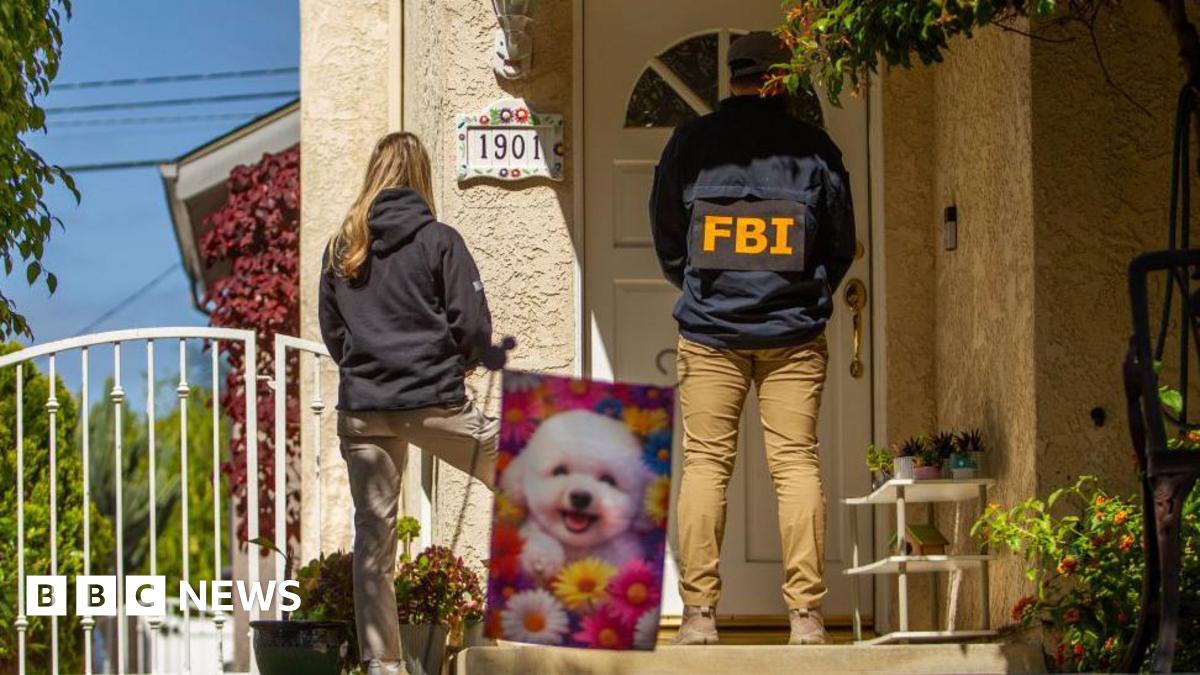
The sun-drenched, palm-lined streets of Torrance, California, usually hum with the predictable rhythm of suburban life. Known for its exemplary schools, pristine beaches, and a pervasive sense of community, this coastal city south of Los Angeles rarely makes national headlines for anything beyond its idyllic charm. That serenity, however, was irrevocably shattered when residents learned that Cole Tomas Allen, the man charged with the attempted assassination of former President Donald Trump at a high-profile Washington D.C. press gala, was not some shadowy figure from a distant land, but their own quiet neighbor, living with his parents just down the street.
This revelation has sent a tremor of disbelief and introspection through Torrance, forcing its inhabitants to grapple with the unnerving question: How could such a profound act of violence emerge from their seemingly unremarkable midst? The story of Cole Tomas Allen is not just about a man accused of a heinous crime; it’s a chilling narrative about the hidden depths of human motivation, the fragility of perceived safety, and the unsettling proximity of extremism to everyday life.
The Unsettling Unmasking of a Neighbor
For many in Torrance, the news unfolded with a surreal quality. The initial reports of an attempted assassination at a major political event were shocking enough. But then, as the suspect's name and image began to circulate, a collective gasp rippled through the community. "Cole? Our Cole?" was a common refrain, uttered with a mixture of confusion and horror. Residents described Allen as unassuming, polite, and largely unremarkable – a man who kept to himself, perhaps, but certainly not one who broadcasted any radical leanings or violent tendencies. He was the kind of person who might wave from his yard, or be seen walking his dog, blending seamlessly into the suburban tapestry.
This dissonance between the public persona and the alleged private intent is a recurring theme in stories of domestic extremism and lone-wolf attacks. The quiet neighbor, the diligent student, the polite acquaintance – these archetypes often precede the reveal of a meticulously planned, deeply disturbing act. Psychologists and sociologists often point to the concept of "cognitive dissonance," where individuals struggle to reconcile conflicting pieces of information about a person. In Torrance, this dissonance is palpable, as residents try to fit the pieces of the puzzle together, searching for clues they might have missed, for signs that were invisible in plain sight. The absence of overt red flags is, in itself, a profoundly unsettling detail, suggesting a level of concealment that speaks to either deep-seated conviction or profound psychological distress.
Torrance: A Microcosm of American Suburbia
Torrance, with its tree-lined streets and well-maintained homes, represents a quintessential slice of American suburbia. It's a place where community events, local school sports, and neighborhood watch programs define much of the social fabric. The city prides itself on its low crime rates and high quality of life, attributes that attract families and retirees alike. This backdrop makes the Allen case all the more jarring. It challenges the comforting illusion that such acts of political violence are confined to distant, troubled urban centers or international hotbeds of extremism. Instead, it brings the potential for radicalization directly to the doorstep of every quiet, middle-class neighborhood.
This incident forces a broader societal reflection. How well do we truly know our neighbors? Are the casual greetings and shared fences enough to truly understand the complex inner lives of those around us? In an increasingly polarized political landscape, where online echo chambers can foster extreme ideologies in isolation, the physical proximity of neighbors can mask vast ideological chasms. The Torrance incident serves as a stark reminder that the seeds of discontent and radical thought can germinate anywhere, even in the most seemingly benign environments, nurtured by factors that are often invisible to the casual observer.
The Broader Implications for Political Discourse and Security
The attempted assassination of a former president, regardless of political affiliation, represents a grave threat to democratic institutions and the peaceful transfer of power. Such an act, if successful, could plunge a nation into chaos, undermine public trust, and incite further violence. The fact that the alleged perpetrator was an American citizen, seemingly radicalized within the country's borders, highlights the evolving nature of security threats. It shifts focus from external adversaries to internal vulnerabilities, particularly the rise of domestic extremism fueled by political tribalism, misinformation, and social alienation.
Security experts are likely to analyze this incident for its implications on protecting high-profile figures, especially those who continue to command significant public attention after leaving office. The Secret Service, already stretched thin, faces the immense challenge of safeguarding individuals in an era where threats can emerge from unexpected quarters. Furthermore, the case will undoubtedly fuel debates about the rhetoric employed by political leaders and media outlets, and its potential to incite violence among susceptible individuals. While individual responsibility remains paramount, the broader ecosystem of political communication plays a critical role in shaping public sentiment and, in extreme cases, motivating dangerous actions.
The Psychological Toll on a Community
Beyond the political and security ramifications, the Cole Tomas Allen case leaves a lasting psychological scar on Torrance. The sense of violated trust, the questioning of one's own judgment, and the lingering unease are profound. Children who once played freely might now be viewed with a subtle, unconscious apprehension. The easy camaraderie of neighborhood gatherings might be tinged with a new, unspoken wariness. This is the insidious damage wrought by such events: they erode the very foundations of community, replacing innocent trust with suspicion.
For the parents of Cole Tomas Allen, the ordeal is unimaginable. To raise a child in a seemingly normal environment, only to see them accused of such a monstrous act, is a tragedy of immense proportions. Their lives, too, have been irrevocably altered, thrust into a harsh spotlight they never sought. The community's response to them will be a test of its empathy and resilience, navigating the complex emotions of anger, pity, and confusion.
Moving Forward: Rebuilding Trust and Vigilance
The Torrance incident serves as a sobering reminder that vigilance in a democratic society extends beyond traditional security measures. It encompasses a collective responsibility to foster civil discourse, address social isolation, and recognize the early warning signs of radicalization, however subtle. While it is crucial not to succumb to paranoia or generalize about entire communities, this event underscores the need for open communication, mental health support, and a renewed commitment to understanding the complex factors that drive individuals to extreme acts.
As Torrance slowly begins to heal, its residents will likely emerge with a heightened, albeit painful, awareness of the hidden currents that flow beneath the surface of everyday life. The quiet shock will eventually give way to a resilient determination to safeguard their community, not just from external threats, but from the insidious potential for violence that can, tragically, reside next door. The story of Cole Tomas Allen will forever be etched into the history of Torrance, a stark lesson in the unpredictable nature of human behavior and the enduring challenge of maintaining peace in an increasingly turbulent world.
Stay Informed
Get the world's most important stories delivered to your inbox.
No spam, unsubscribe anytime.
Comments
No comments yet. Be the first to share your thoughts!