Trump's Europe Pivot: Italy Eyed for Troop Withdrawal Amid Rising NATO Tensions
Reports indicate former President Donald Trump is considering expanding troop withdrawals from Europe, potentially targeting Italy after previous reductions in Germany. This move signals a deeper reevaluation of the US military footprint and commitments to NATO. Analysts warn of significant geopolitical ramifications, challenging the alliance's cohesion and strategic posture against emerging threats.
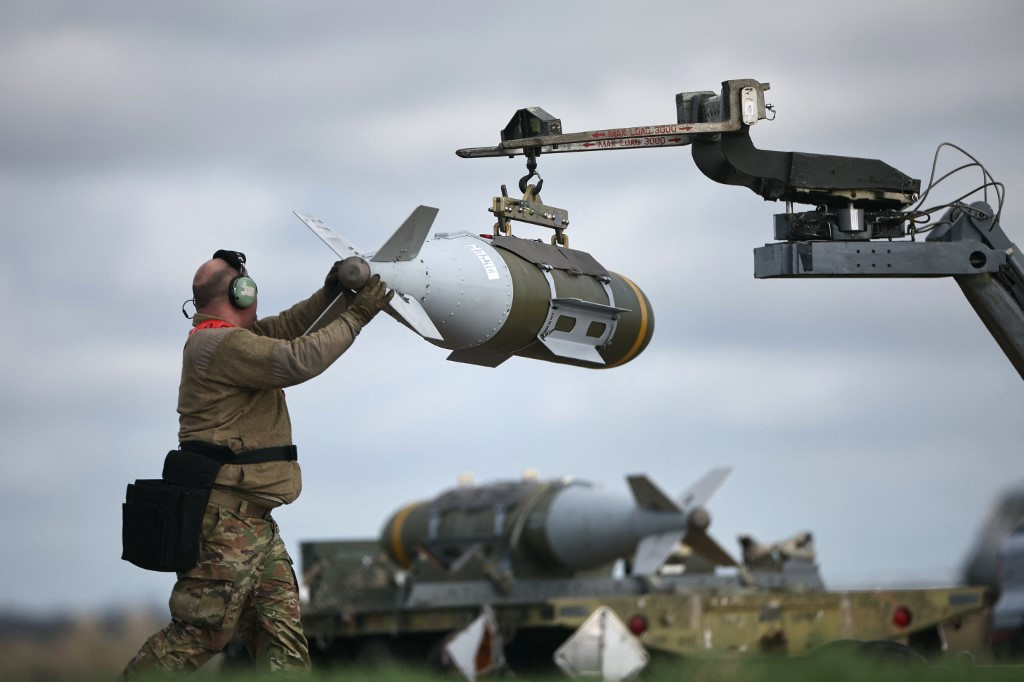
In a geopolitical landscape already fraught with uncertainty, reports suggest that former US President Donald Trump, should he return to office, is contemplating a significant recalibration of America's military presence in Europe. Beyond the previously announced withdrawal of 5,000 troops from Germany, Italy has emerged as a potential next target for substantial US force reductions. This prospective move is not merely a logistical shift; it represents a profound challenge to the foundational principles of NATO, raising critical questions about collective defense, burden-sharing, and the future of transatlantic security.
The Shifting Sands of US-European Defense
The notion of reducing US troop levels in Europe is not entirely new. Throughout his previous term, Donald Trump consistently voiced skepticism about the financial contributions of NATO allies, often characterizing them as freeloaders on American generosity. His administration initiated the withdrawal of approximately 12,000 troops from Germany in 2020, citing Germany's insufficient defense spending and its perceived failure to meet NATO's 2% GDP target. While some of these troops were redeployed to other European nations like Belgium and Italy, or returned to the US, the underlying message was clear: the United States expected its allies to do more.
The potential expansion of these withdrawals to Italy, a crucial Mediterranean ally, would mark a significant escalation. Italy hosts several key US military installations, including the Naval Air Station Sigonella in Sicily, a strategic hub for operations in the Mediterranean and Middle East, and Aviano Air Base, home to the 31st Fighter Wing. These bases are vital for projecting power, conducting intelligence gathering, and supporting counter-terrorism efforts across a volatile region. A withdrawal from Italy would not only diminish US operational capabilities but also send a powerful signal of disengagement, potentially emboldening adversaries and destabilizing regional security.
Historical Context: A Post-Cold War Reassessment
For decades following World War II, a robust US military presence in Europe was the bedrock of Western security, a tangible deterrent against Soviet expansionism. At its peak during the Cold War, hundreds of thousands of American soldiers were stationed across the continent. The fall of the Berlin Wall and the dissolution of the Soviet Union led to a gradual, but never complete, reduction in these forces. The rationale shifted from deterring a monolithic Soviet threat to managing regional instabilities, supporting peacekeeping operations, and acting as a bulwark against new forms of aggression, particularly from a resurgent Russia.
However, the post-Cold War era also ushered in debates about the relevance and cost of maintaining such a large overseas footprint. Critics argue that the US should prioritize domestic needs or shift resources to the Indo-Pacific to counter China's rise. Proponents, conversely, emphasize that a forward-deployed presence enhances deterrence, facilitates rapid response, and strengthens diplomatic leverage. The current discussion around Italy and Germany is a direct continuation of this long-standing debate, but with added urgency given the ongoing conflict in Ukraine and heightened tensions with Russia.
Expert Analysis and Geopolitical Implications
Security analysts are largely in agreement that such withdrawals would have profound and potentially negative consequences. Dr. Evelyn Farkas, a former Deputy Assistant Secretary of Defense for Russia, Ukraine, and Eurasia, has often highlighted that “reducing US forces in Europe weakens NATO's collective defense posture at a time when Russia is clearly demonstrating aggressive intentions.” She argues that a smaller US footprint could be perceived as a lack of commitment, encouraging further Russian adventurism.
Furthermore, the cancellation of long-range missile deployments in Germany, which has also been floated, would strip NATO of crucial defensive capabilities. These deployments are designed to counter emerging threats and maintain a credible deterrent. Their absence could create a security vacuum that European allies would struggle to fill independently, particularly in the short term. This could lead to:
* Increased Vulnerability: Without robust US backing, European nations might feel more exposed to Russian aggression. * Alliance Fragmentation: Disagreements over defense spending and strategic priorities could deepen existing fissures within NATO, undermining its unity. * Empowered Adversaries: Russia and other revisionist powers might interpret US withdrawals as an opportunity to expand their influence. * Economic Strain: European nations would face immense pressure to significantly increase their defense budgets and develop independent capabilities, potentially diverting resources from other critical areas.
From an Italian perspective, a US withdrawal could force a significant reevaluation of its national defense strategy and its role in regional security. Italy is strategically located at the crossroads of Europe, Africa, and the Middle East, making it a critical player in managing migration flows, combating terrorism, and ensuring maritime security in the Mediterranean. A reduced US presence could leave Italy, and indeed the broader southern flank of NATO, more exposed.
The Path Forward: Reaffirming or Redefining Alliances?
Should these proposed withdrawals materialize, the implications for the transatlantic alliance would be far-reaching. European leaders would be compelled to accelerate efforts towards greater strategic autonomy, a concept that has gained traction but faced significant hurdles due to differing national interests and capabilities. While a more self-reliant Europe is a long-term goal for many, a sudden and forced withdrawal of US support could prove destabilizing in the near term.
The debate also highlights the enduring tension between the US desire for allies to bear more of the defense burden and the strategic imperative of maintaining a strong, unified front against common threats. The question is not just about the number of troops, but about the message such actions send to both allies and adversaries. A strong, cohesive NATO remains a cornerstone of global stability, and any actions that undermine its unity or perceived strength carry significant risks.
Ultimately, the potential troop withdrawals from Italy and the broader reevaluation of US military commitments in Europe underscore a pivotal moment for transatlantic relations. The decisions made in the coming months and years will not only shape the future of NATO but also redefine the global balance of power, with profound consequences for international security and stability. The world watches to see if alliances will be reaffirmed or fundamentally redefined in this new era of geopolitical competition.
Stay Informed
Get the world's most important stories delivered to your inbox.
No spam, unsubscribe anytime.
Comments
No comments yet. Be the first to share your thoughts!