Ukraine's Frontline Fortitude: Drones and Air Defense Shift War Dynamics
Ukraine's foreign minister declares the country's frontline position is the strongest it has been in a year, attributing this resilience to superior drone technology and enhanced air defense capabilities. This strategic shift minimizes Russia's traditional manpower advantage, reshaping battlefield dynamics. Despite ongoing conflict, Turkey's efforts to broker peace talks between Zelenskyy and Putin have reportedly met with Moscow's reluctance, highlighting the complex diplomatic landscape.
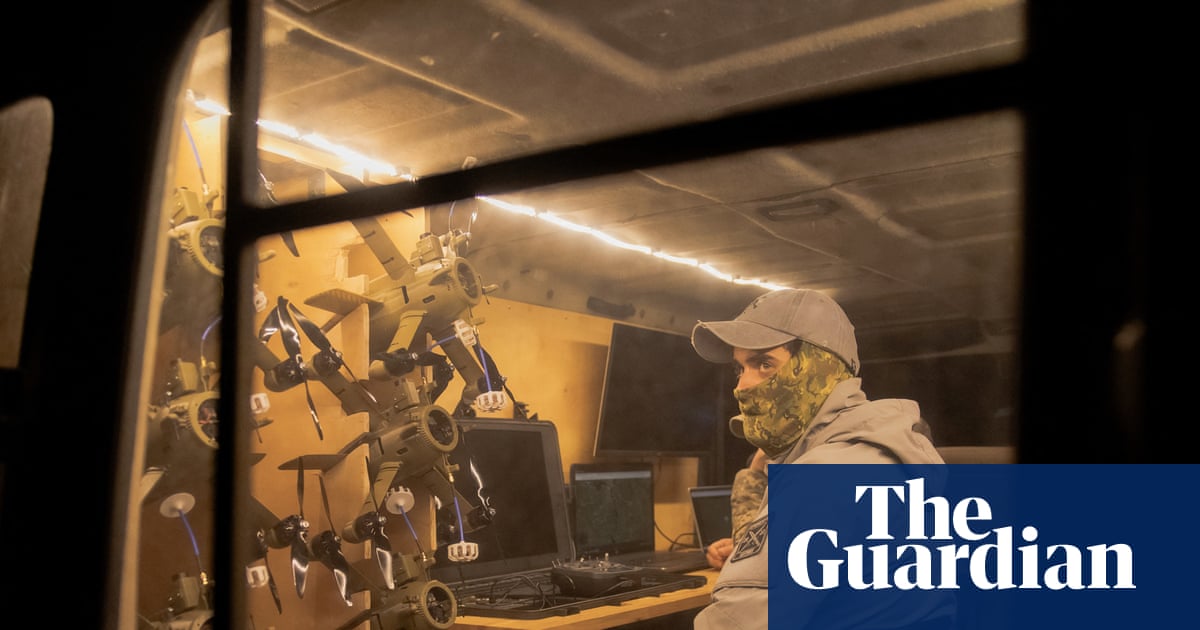
In a significant declaration that has reverberated across international capitals, Ukraine's foreign minister, Andriy Sybiha, has asserted that the nation's frontline position is now "the strongest" it has been in a year. This bold claim, delivered amidst the grinding realities of a protracted conflict, is attributed primarily to Ukraine's burgeoning superiority in drone technology and its significantly enhanced air defense systems. The assertion marks a critical juncture in the 1,520-day-old war, suggesting a potential shift in the tactical equilibrium that has long favored Russia's sheer numerical strength.
For months, military analysts and observers have grappled with the implications of Russia's vast reserves of personnel and equipment. However, Sybiha's statement underscores a pivotal development: the effective neutralization of this traditional advantage through asymmetric warfare capabilities. The widespread deployment of drones, from reconnaissance to attack variants, has fundamentally altered the battlefield, providing Ukrainian forces with unprecedented situational awareness, precision strike capabilities, and a means to disrupt Russian logistics and troop movements with devastating effect. Concurrently, the continuous bolstering of Ukraine's air defense, largely through Western military aid, has made its skies increasingly perilous for Russian aircraft and cruise missiles, protecting critical infrastructure and civilian populations.
The Drone Revolution: Reshaping Modern Warfare
The conflict in Ukraine has undeniably become a crucible for modern military innovation, with unmanned aerial vehicles (UAVs) emerging as a defining feature. Initially, both sides utilized commercially available drones for reconnaissance. However, Ukraine, with its agile technological sector and strong international backing, has rapidly scaled up its domestic drone production and adapted Western technologies. This has led to a diverse fleet ranging from small, inexpensive FPV (First-Person View) drones capable of delivering precision strikes on individual soldiers or light vehicles, to larger, longer-range attack drones that can target Russian naval assets in the Black Sea or infrastructure deep within Russian territory.
This "drone revolution" has profound implications. Firstly, it democratizes aerial warfare, allowing smaller, less conventionally equipped forces to challenge larger adversaries. Secondly, it significantly reduces the risk to human life for offensive operations, as operators can conduct missions from a safe distance. Thirdly, it provides an unprecedented level of real-time intelligence, allowing for dynamic adaptation of strategies. The ability to minimize Russia's manpower advantage, as highlighted by Sybiha, is a direct consequence of this technological leap. Russian forces, despite their numerical superiority, find themselves increasingly vulnerable to ubiquitous, low-cost drone attacks that can inflict disproportionate damage and psychological strain.
Fortifying the Skies: The Role of Air Defense
Complementing the offensive capabilities of drones is Ukraine's strengthened air defense network. Early in the invasion, Russia held significant air superiority, launching devastating missile and air strikes across the country. However, sustained efforts by Ukraine, supported by an influx of sophisticated Western systems like Patriot, NASAMS, and IRIS-T, have dramatically altered this landscape. These advanced systems, integrated with Ukraine's existing Soviet-era defenses, have created a multi-layered shield capable of intercepting a wide array of aerial threats, from ballistic missiles to cruise missiles and even some drones.
The effectiveness of this air defense has been crucial in protecting Ukrainian cities, military installations, and critical energy infrastructure. It has also forced Russian aviation to operate more cautiously, reducing their ability to provide close air support to ground troops or conduct deep penetration strikes. This enhanced protection not only saves lives and preserves infrastructure but also allows Ukraine to maintain its operational tempo and logistical supply lines, which are vital for sustaining its forces on the frontlines. The psychological impact on the civilian population, knowing that their skies are better protected, also contributes to national resilience.
Diplomatic Stalemate: Moscow's Reluctance for Talks
While military dynamics shift on the ground, the diplomatic front remains largely frozen. Reports indicate that Moscow has shied away from Turkish efforts to broker direct talks between Ukrainian President Volodymyr Zelenskyy and Russian President Vladimir Putin. Turkey, under President Recep Tayyip Erdoğan, has repeatedly positioned itself as a mediator, hosting previous rounds of negotiations and facilitating prisoner exchanges and grain deals. However, the current reluctance from the Kremlin suggests an unwillingness to engage in high-level discussions that might lead to a comprehensive peace settlement.
Russia's stance could be attributed to several factors: a belief that it can still achieve its objectives through military means, a desire to consolidate territorial gains, or an unwillingness to negotiate from a perceived position of weakness. For Ukraine, any talks would likely hinge on the restoration of its territorial integrity and sovereignty, principles that Russia has consistently rejected. This diplomatic impasse underscores the deeply entrenched positions of both belligerents and suggests that a resolution through negotiation remains a distant prospect, even as battlefield dynamics evolve.
Implications for the Future of the Conflict
The declaration of Ukraine's strongest frontline position in a year, backed by tangible technological advancements, carries significant implications. It suggests that Ukraine is not merely holding its ground but is actively adapting and innovating to counter a larger foe. This resilience could bolster Western resolve to continue military aid, as it demonstrates Ukraine's capacity to effectively utilize the provided resources and achieve strategic advantages.
However, the war remains incredibly complex and fluid. While drones and air defense offer significant tactical advantages, they do not guarantee a swift victory. Russia continues to possess vast resources, and its ability to adapt, albeit slower, should not be underestimated. The strategic importance of logistics, training, and morale remains paramount. The coming months will test the sustainability of Ukraine's technological edge against Russia's enduring capacity for attrition warfare. The international community will watch closely to see if this declared strength translates into sustained operational successes or if it merely signifies a temporary equilibrium in a long and arduous conflict. The narrative from Kyiv, however, is one of growing confidence and strategic adaptation, a testament to the enduring spirit of a nation under siege.
Stay Informed
Get the world's most important stories delivered to your inbox.
No spam, unsubscribe anytime.
Comments
No comments yet. Be the first to share your thoughts!